3:24
3:24Fifty-something and unemployed, Mike McCarron decided that the best way forward was to work for himself.
A year ago he launched a business, Gamle Ode, that makes a clear Scandinavian liquor called aquavit. It's a big change from his last job, managing Web design projects for a print company.
McCarron spent about a year perfecting the recipe. He has sold more than 2,000 bottles in Minnesota and Wisconsin, and he soon will sell bottles in Illinois. Even now, he still seems a little surprised by his new career path.
"It was kind of a bold choice," said McCarron, who lives in Minneapolis. "Every once in a while, I'll still have those moments where I'll wonder if I'm crazy for doing it."
Maybe he's crazy, but like so many Americans, he had little choice but to go it alone.
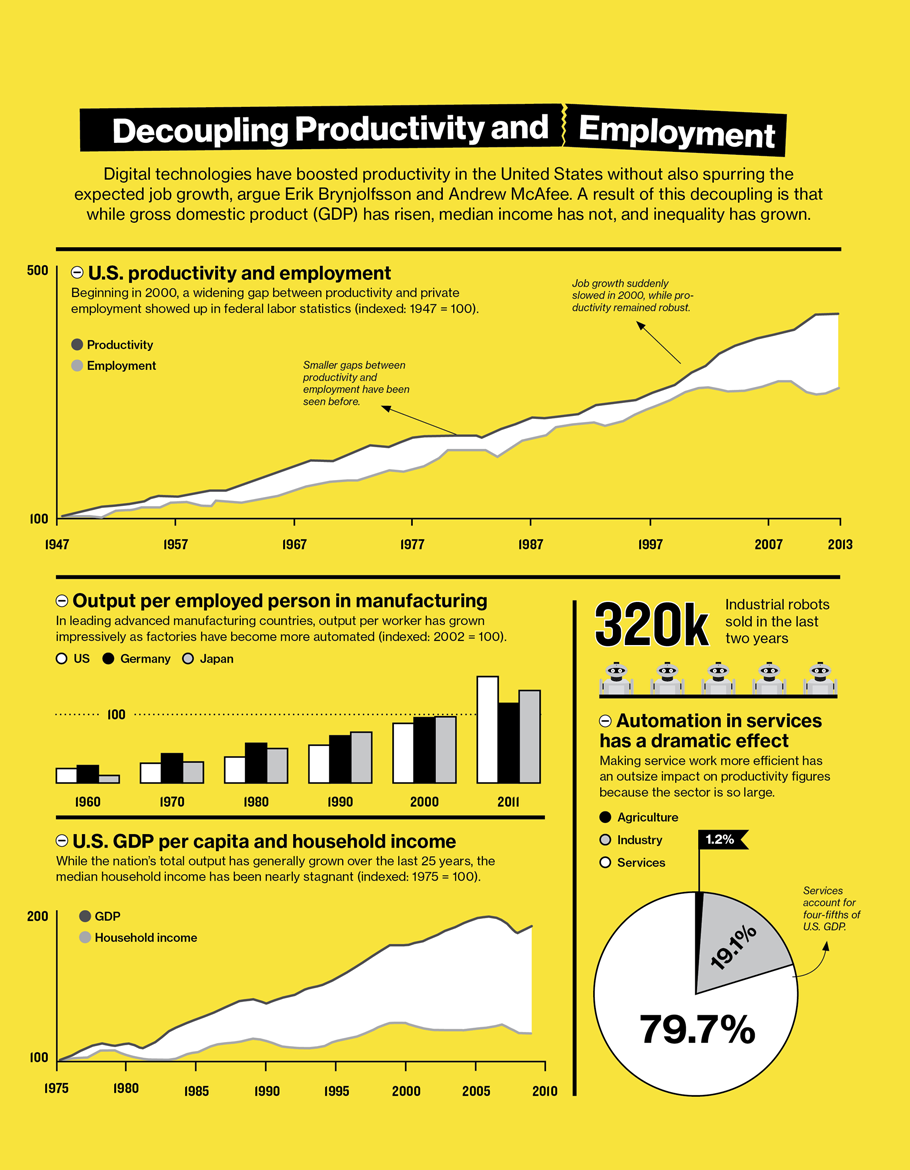
The economy is shifting beneath the feet of workers, pushing a growing share of them into the role of independent contractor or consultant, temporary worker, freelancer and entrepreneur. More than 40 percent of American workers classified themselves as a "free agent" by the start of 2012, according to Kelly Services research, a huge jump from 2008, when 26 percent of workers gave themselves that label.
"The idea of being your own boss, that's much more common nowadays," said Hank Robison, chief economist at Economic Modeling Specialists Intl. "On one hand, it's driven by necessity, and that's the necessity of needing a supplementary income. The other thing is that it's driven by possibility."
The shift is clear in industries like software development and construction, but it extends to most types of service jobs. The economy shed 8.6 million jobs in the recession, and the available data show that a large part of the gap since has been filled by free agents.
![Mike McCarron lost his job in IT and then started a business producing Gamle Ode Aquavit, a traditional Scandinavian spirit flavored with herbs. Tuesday, August 27, 2013 ] GLEN STUBBE * gstubbe@startribune.com](https://arc.stimg.co/startribunemedia/4HLMCFNNNOZEE5W3SFY3UYUTTE.jpg?&w=1080)