

From an overall energy markets and climate policy perspective, building new fossil-fuel infrastructure would not be a good long-term deal for Minnesota's environment and taxpayers.
Once the upfront costs of building new fossil-fuel infrastructure have been sunk, fossil fuels would continue to be processed for several decades into the future, long past the time when they would ordinarily become economically unviable.
This effect, called infrastructure lock-in, would lead to increased costs for everyone involved, increased pollution into Minnesota's air and water, and increased greenhouse-gas emissions that intensify the climate crisis.
In 2017, Minnesota legislators passed a law allowing the state's largest utility, Xcel Energy, to build a natural gas power plant in Sherburne County without going through the usual regulatory process.
This was reflected in their most recent integrated resource plan (IRP). It would be a combined-cycle natural gas plant, as opposed to a natural gas "peaker" plant. It would emit more than 1.2 million tons of carbon dioxide equivalent (CO2e) per year for an estimated lifetime of 30 years. This alone would increase Minnesota's electricity-sector emissions by nearly 4% at a time when rapid decarbonization is critical.
The natural gas plant would provide baseload power that some say is a necessary replacement for the coal plants that would be retired significantly ahead of schedule under Xcel's IRP. However, recent studies have found that those coal plants are already more expensive than local renewable-energy sources. Furthermore, natural gas is less emissions-intense than coal only if methane leakage is minimal throughout the supply chain, which is not always the case.
These coal plants might have already been retired if not for the inertia of infrastructure lock-in. The same problem would happen in the future if the proposed natural gas plant is built. Prices of renewable-electricity sources are already approaching the levels of natural gas prices. As that trend continues, ratepayers would be left holding the bill for the extra costs of unnecessary fossil-fuel infrastructure.
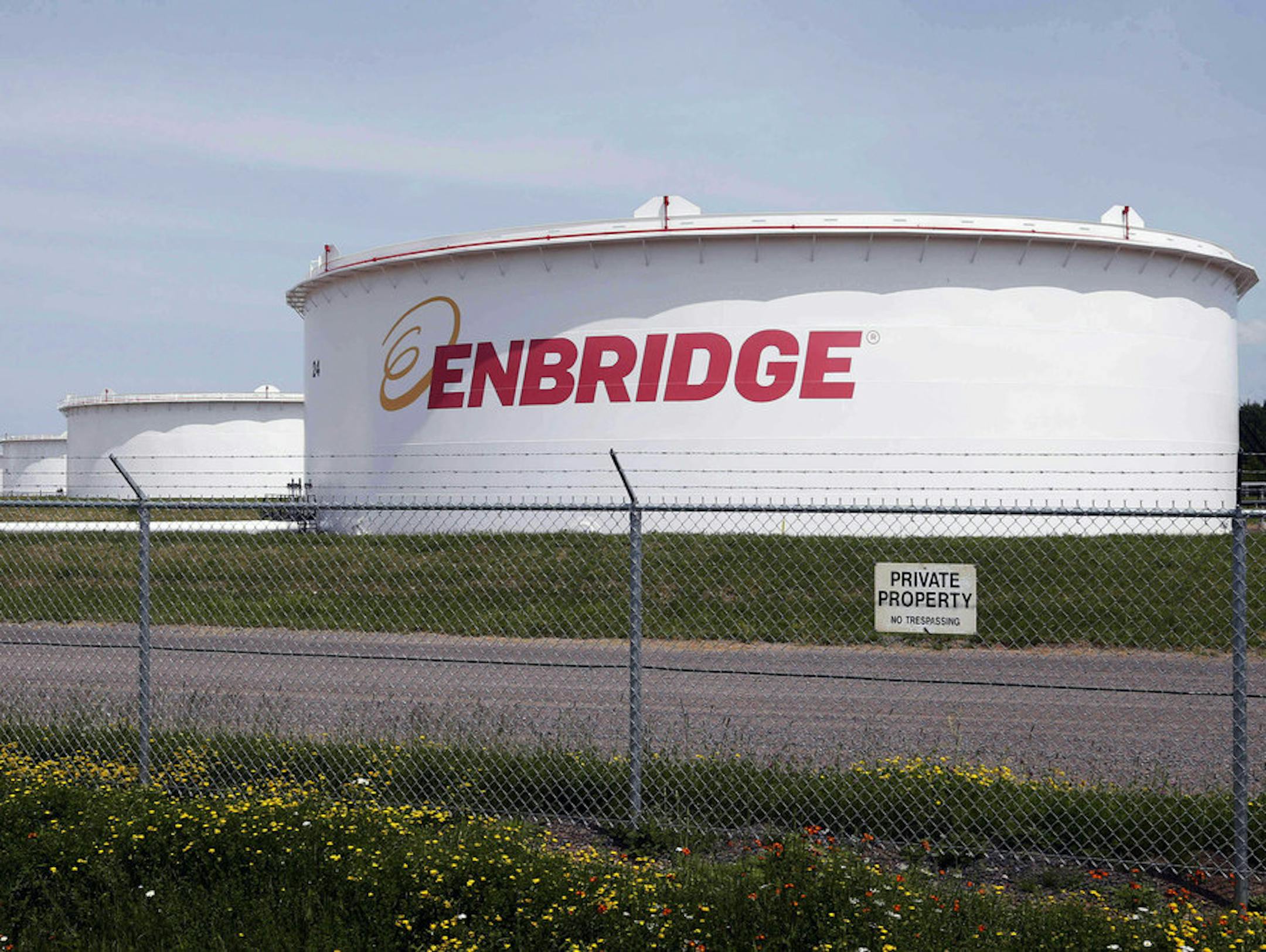
The proposed replacement for Enbridge's Line 3 oil pipeline would transport 760,000 barrels per day through northern Minnesota.


