

Insurance companies have made it so difficult to obtain prior authorization for health care procedures that some hospitals have started using artificial intelligence to crack the code.
Insurers are increasingly requiring patients and hospitals to obtain prior approval before getting an expensive procedure or drug as a way to cut down on the massive amount of waste in the system. But the ever-evolving prior authorization rules also make it more difficult to obtain legitimate medical care, delaying surgery dates and injecting uncertainty into whether hospitals will be paid for medically necessary care.
A startup company called Verata Health, based in Bloomington, is among a handful of companies nationally offering proprietary artificial-intelligence systems that scan patients' voluminous medical records to pinpoint the 10 or so documents insurance companies need to see before agreeing to cover a patient's care. The field is still young, and companies like Verata are focusing early efforts on the biggest "pain points" in the system, like authorizations for medical procedures, imaging and drug approvals.
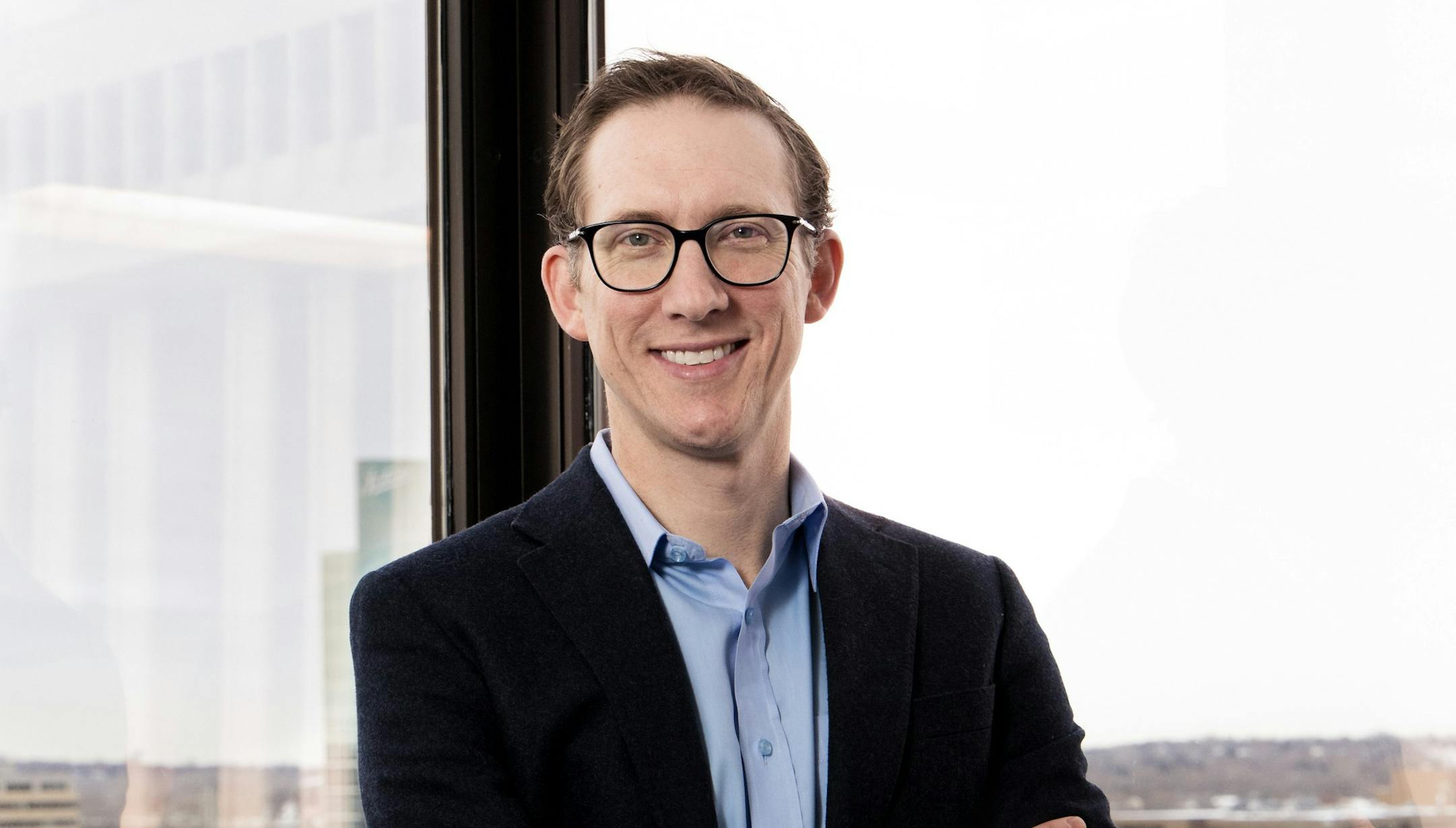
Verata was founded in 2017 by former Mayo Clinic physician Dr. Jeremy Friese, a radiologist with an MBA who grew frustrated after seeing firsthand the unreasonable amount of time clinicians spend on paperwork instead of patient care.
"The reason that Verata exists [is] because my patients were getting delayed care, and some of my patients weren't able to get care — they were denied care because of this hassle," Friese said.
3M Co., which has an $800 million health information systems division, is an early investor in the company. Verata declined to reveal its other investors.
Verata's system is embedded inside a hospital or clinic's electronic medical record system, and it eliminates the need to fax paperwork to insurance companies for the specific types of prior authorizations the AI is designed to handle. Although Friese said Verata is on a mission to make the fax machine obsolete, the fax machine itself isn't the problem. The underlying problem is waste.
Researchers said a significant share of the $3.2 trillion spent annually on Americans' health care goes to things that don't make patients healthier, like redundant medical scans, brand-name drugs that work no better than cheaper therapies, and hospitalizations for patients who don't need an overnight stay in a hospital.


