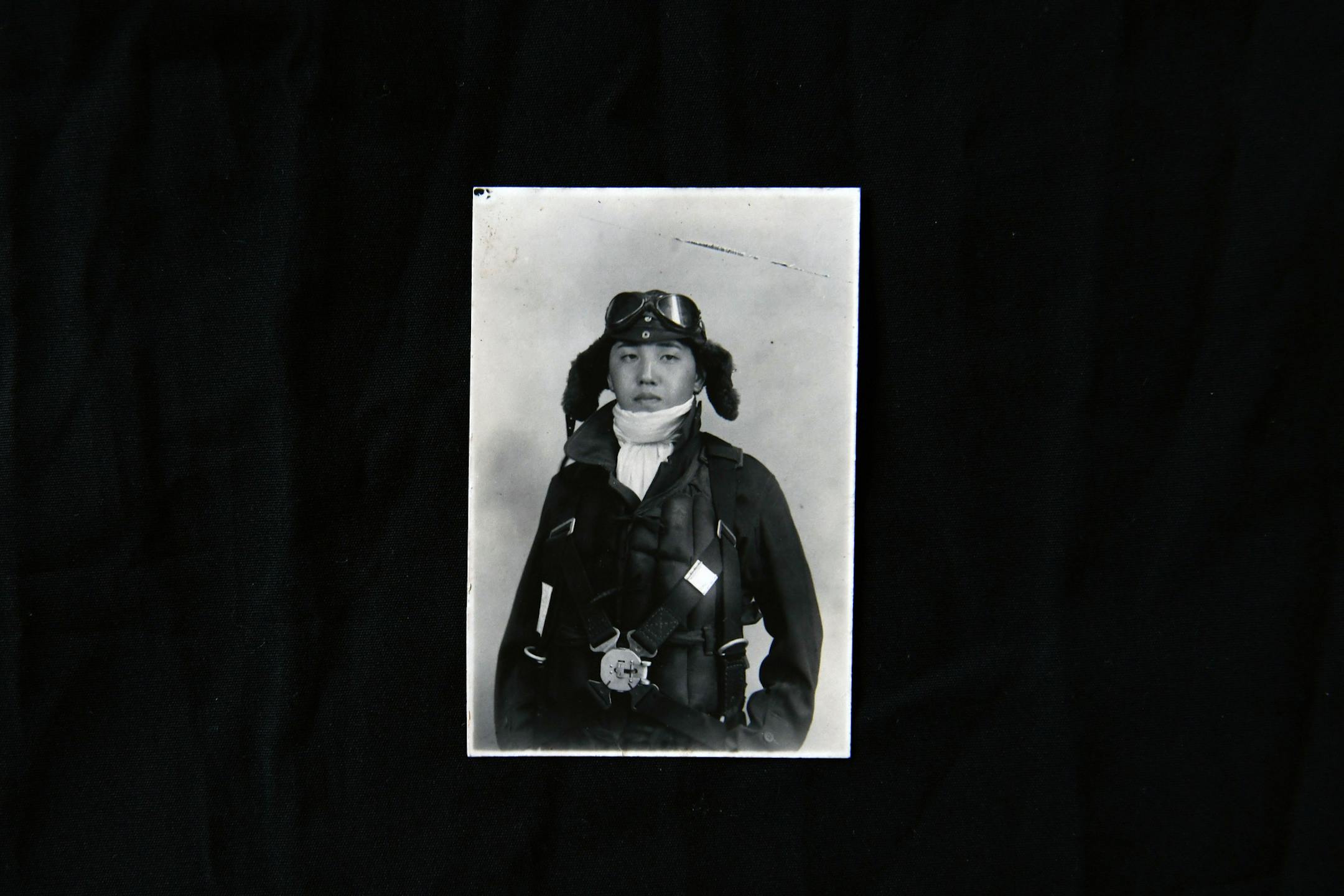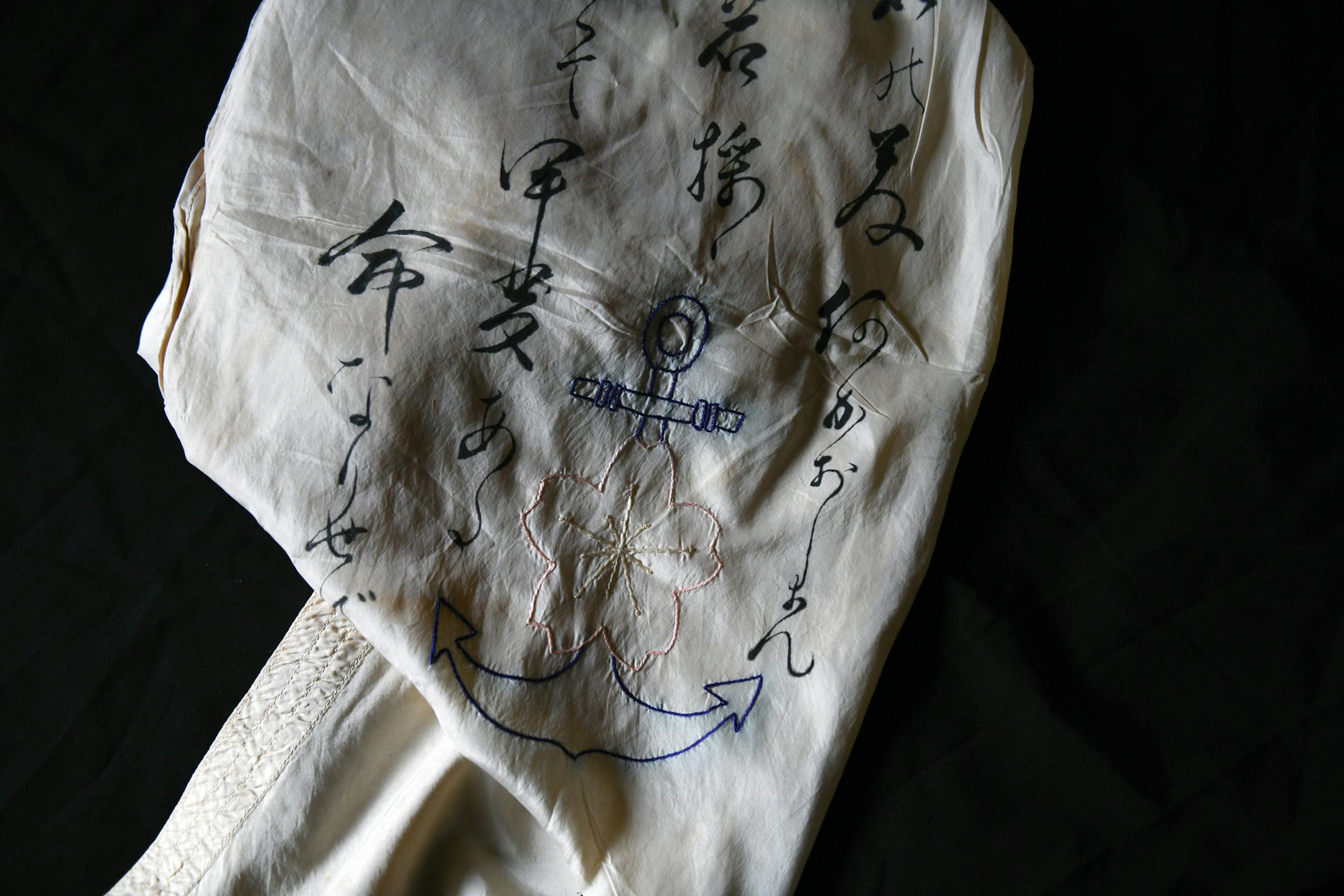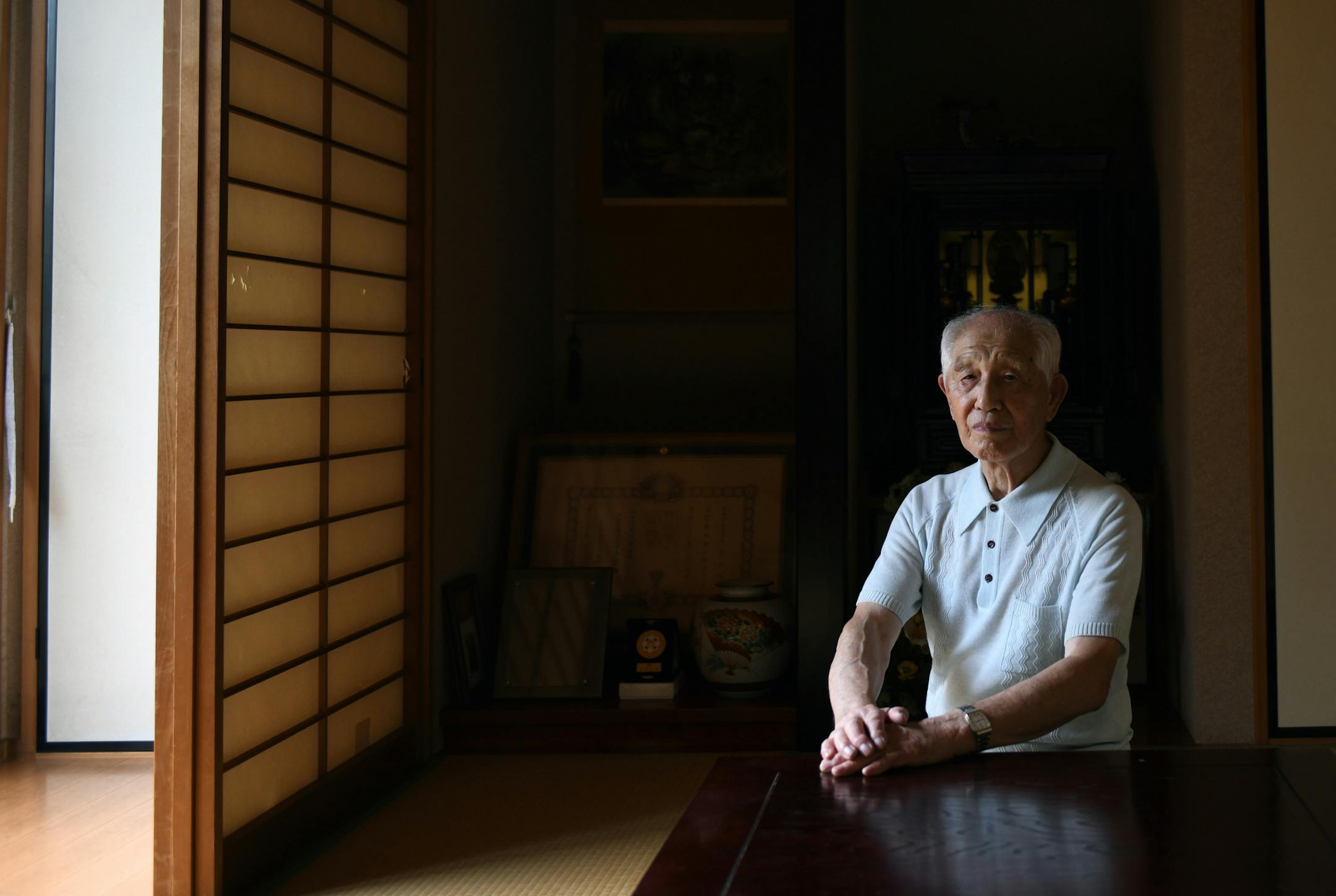
TOKYO – For more than six decades, Kazuo Odachi had a secret: At age 17, he became a kamikaze pilot, one of thousands of young Japanese men ordered to give their lives in last-ditch suicide missions near the end of World War II.
As he built a family and a career as a Tokyo police officer, he kept his secret from virtually everyone, even his wife, who knew only that he had served as a Japanese Navy pilot. The experience, he felt, would be too hard to explain to a society that mostly viewed the kamikaze as maniacal zealots.
But over the years, as Japan's complex relationship with the war changed, Odachi gradually began to share his story. In 2016, he published a memoir, which was released in English in September, the 75th anniversary of the conflict's end.
Odachi, 93, one of the last living members of a group never meant to survive, said he hoped to memorialize the pilots as young men whose valor and patriotism were exploited. "I don't want anyone to forget that the wonderful country that Japan has become today was built on the foundation of their deaths," he said.
The kamikaze are the most potent symbol of the war in Japan, a vivid example of the dangers of fervent nationalism and martial fanaticism. But as the generation who lived through the war fades away, Japan's opposing political sides are vying to reinterpret the kamikaze for a public divided over the conflict's legacy.
Growing up near an air base, Odachi had been fascinated by planes. He enlisted in Japan's armed forces in 1943 and joined the Yokaren, an elite group of teenagers trained as pilots.
When he arrived in Japanese-occupied Taiwan in August of 1944, the war was entering its end stage in the face of U.S. technological and production superiority.
In dogfights, pilots were instructed to "aim to carve the enemy with our own propellers," Odachi wrote. "Of course, death was a certainty if this happened."