

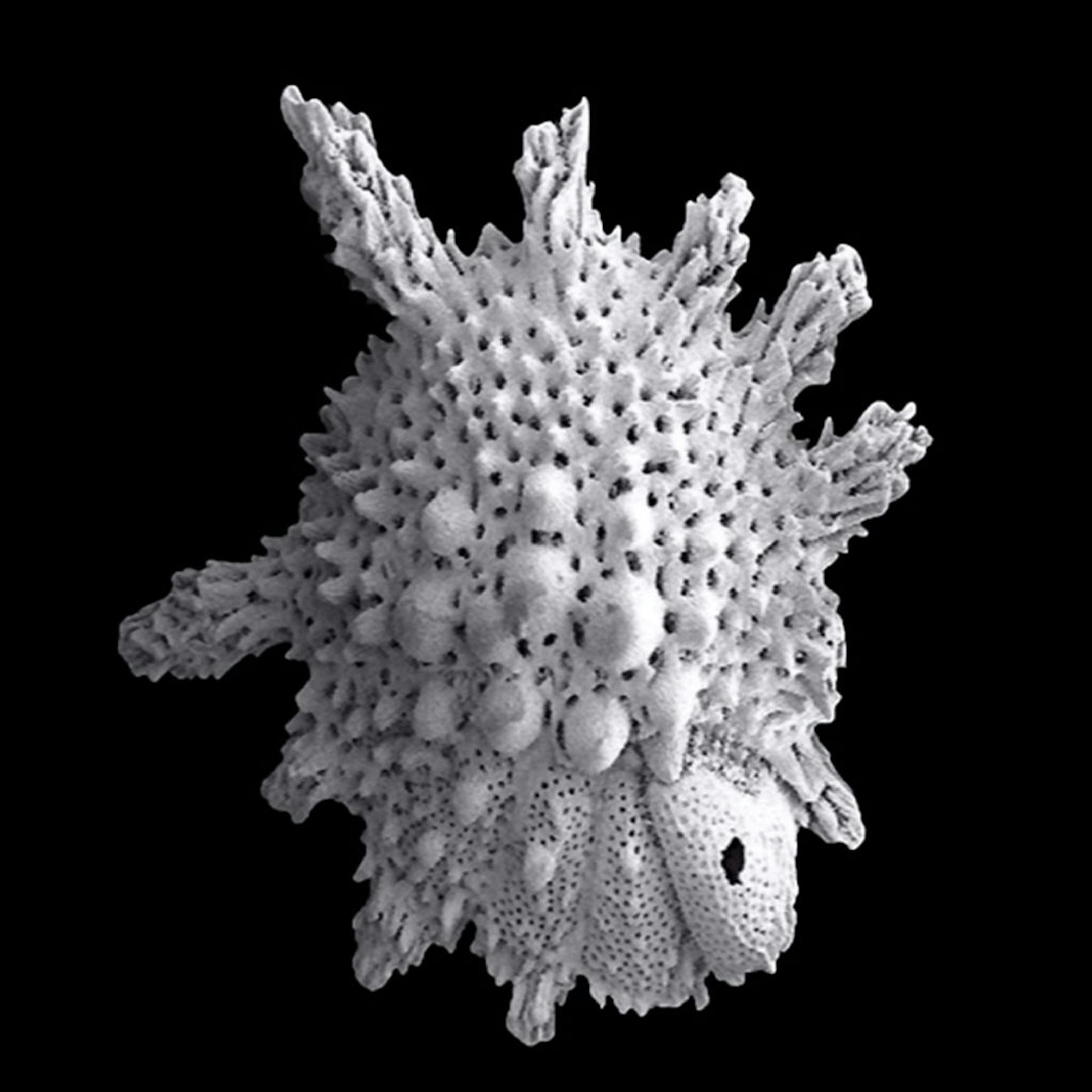
GUBBIO, ITALY
North of Rome, in Umbria, a series of ancient towns perch on the tops or sides of the foothills. Tourists flock here to admire the medieval churches and palazzos built with the unlimited local supplies of limestone. But no one gives any thought to the creatures that helped to create the materials necessary for making such stunning, long-lived monuments.
Limestone is composed largely of crystallized calcium carbonate. Some of it comes from the skeletal remains of well-known creatures like corals, but much of the rest comes from less appreciated but truly remarkable organisms called foraminifera, or forams.
Forams have been called "nature's masons" and deservedly so. Most of the 6,000 species of these single-celled protists construct surprisingly complex, ornate and beautiful shells to protect their bodies.
A broader pattern revealed
After forams die, their shells settle in ocean sediments -- and may eventually become rocks that can be used to shelter our bodies. While tiny relative to ourselves, forams are extremely large for single-celled organisms. The most impressive of all forams, now extinct, were disk-shaped species that were abundant in the limestone used to build the great pyramids of Egypt.
In more recent times, forams have served an altogether different service -- to science. Because they produce shells that make good fossils, and have long been abundant and widespread in the oceans, forams are particularly valuable to geologists and paleontologists in telling us about Earth's history.
The forams in the limestone just outside Gubbio provided the first clues to one of the most exciting scientific discoveries in the past century.

