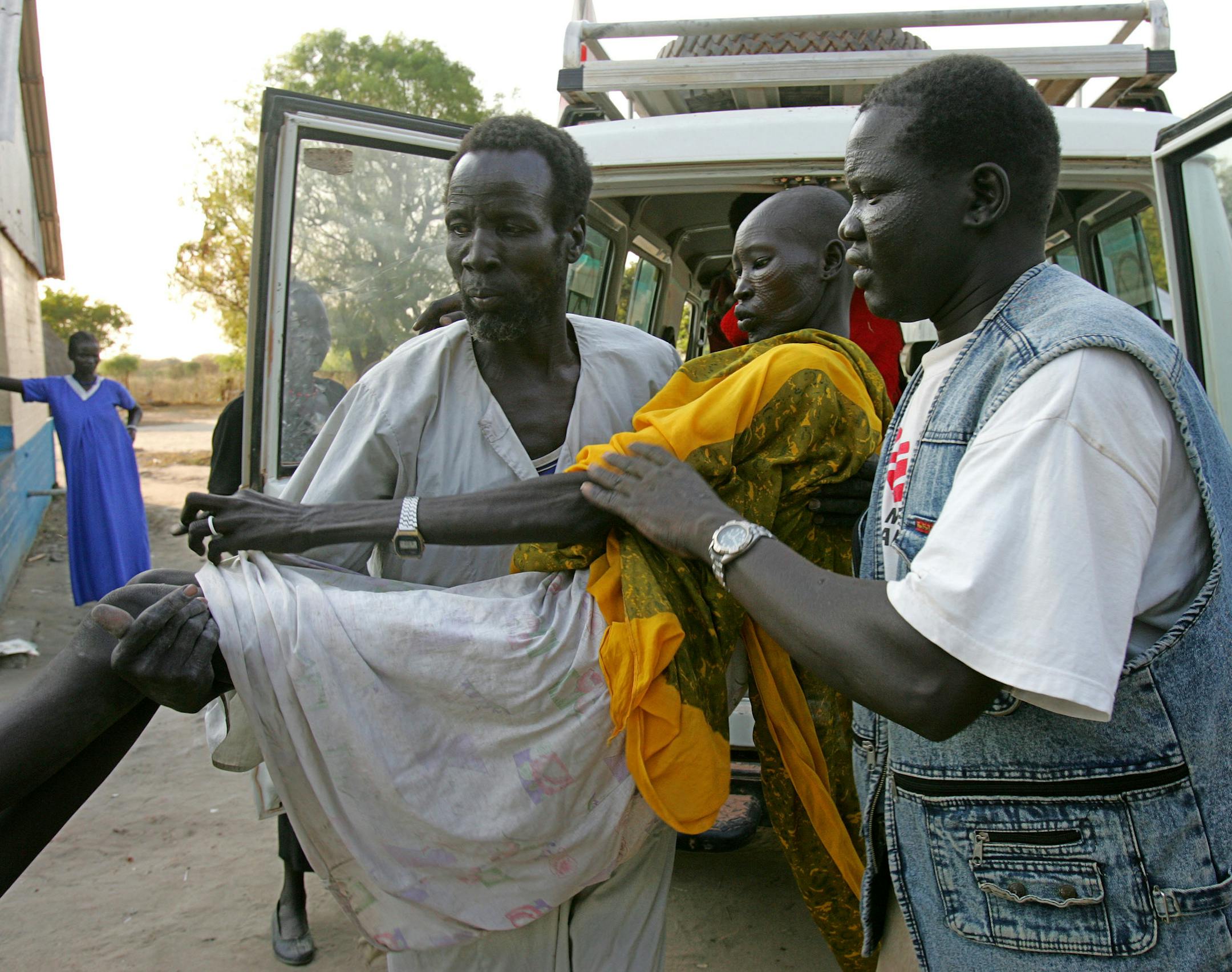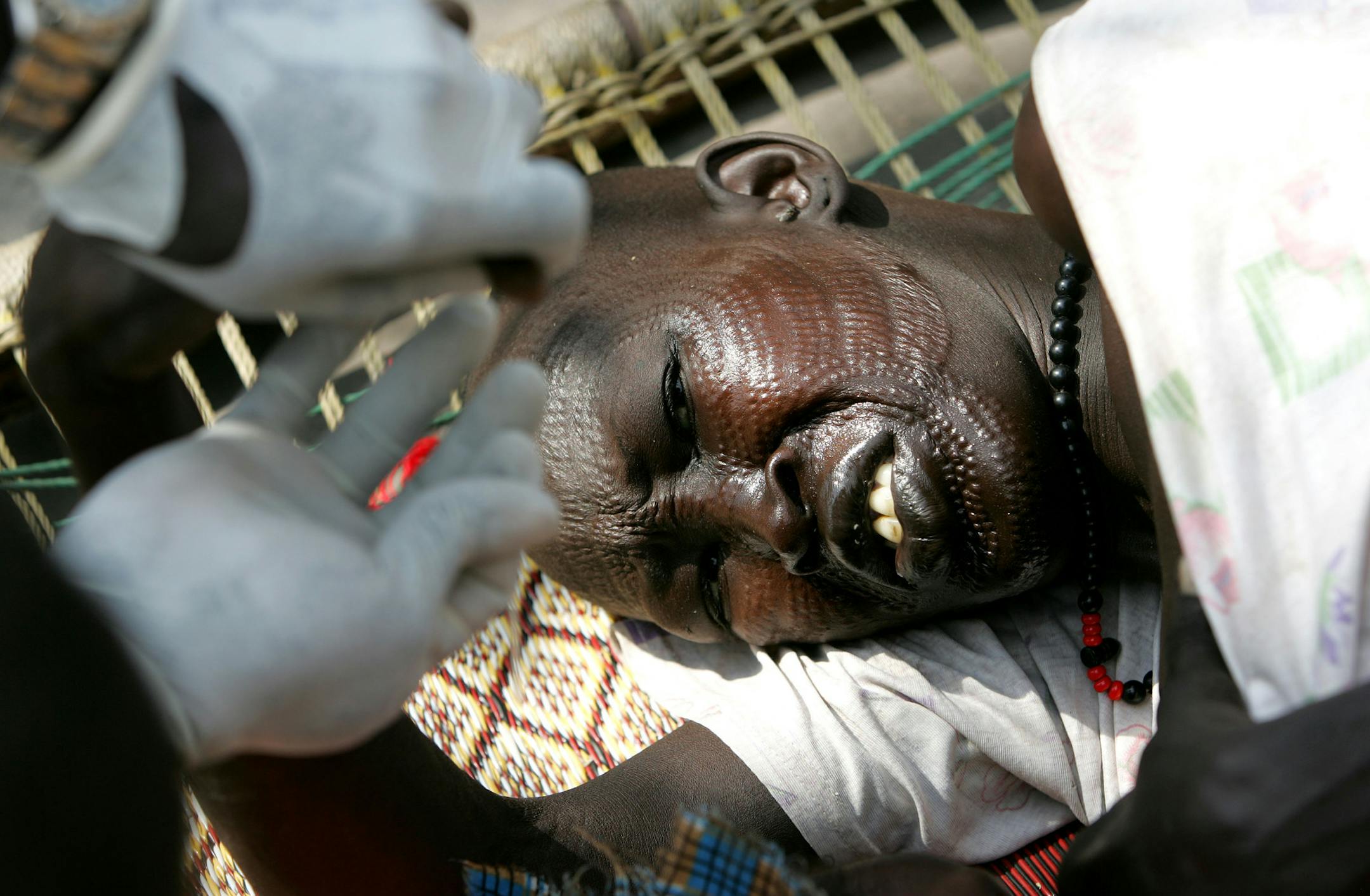
You might expect a disease that can kill 95 percent of its victims would be on everyone's radar. But in the case of visceral leishmaniasis, that's not the case.
Known as Black Fever, the affliction remains on the World Health Organization's list of neglected tropical diseases, because it affects "the poorest of the poor," said David Poché, director of field research at Genesis Laboratories.
Transmitted by adult sand flies that bite cattle and whose larvae feed on their feces, it affects 400,000 people every year and kills as many as 30,000. (Malaria, by comparison, was contracted by 214 million people last year, killing 438,000.)
More than 90 percent of new VL cases occur in India, Brazil, Bangladesh, Ethiopia, South Sudan, and Sudan, but Poché said the disease is spreading. VL and other forms of leishmaniasis are "subtle diseases" that kill untreated individuals slowly, sometimes over the course of years, so there's "not a perception of urgency" among infected individuals and the medical community, said Mark Wiser, a professor in Tulane University's department of tropical medicine.
Estimating the growth of VL and other forms of leishmaniasis is challenging because of its slow progression and its rapid appearance in specific locations, Wiser said. Although mortality has decreased in some areas, recent conflicts in the Middle East and an increase in Syrian refugees caused spikes elsewhere.
Poché worked with colleagues from Texas A&M's department of wildlife and fisheries sciences to study how the insecticide fipronil can be used to kill the sand flies that spread VL. Their findings, published in the journal PLOS Neglected Tropical Diseases, showed that when used on cattle, single annual fipronil treatments could reduce sand fly populations by more than 90 percent. Using a model, the researchers showed that monthly treatments could eradicate the flies within two years. Their work was funded by the Bill and Melinda Gates Foundation.
Because of the lack of information about the proportion of sand flies that feed on cattle, and the proportion of eggs laid in cattle feces, they had to use a probabilistic model to study the potential impact of the insecticide. In their simulations, they found that the timing of insecticide application as it related to the sand fly life cycle was also important. Sufficient planning would be needed to apply the insecticide at the right time to avoid the compliance issues that prevent drugs from being effective. The researchers hope to start a field trial to gather more data about how fipronil could limit sand fly populations.
Unfortunately for those affected by the disease, which causes fever, weight loss and anemia, frequent insecticide treatment of cattle that live in proximity might be too costly.