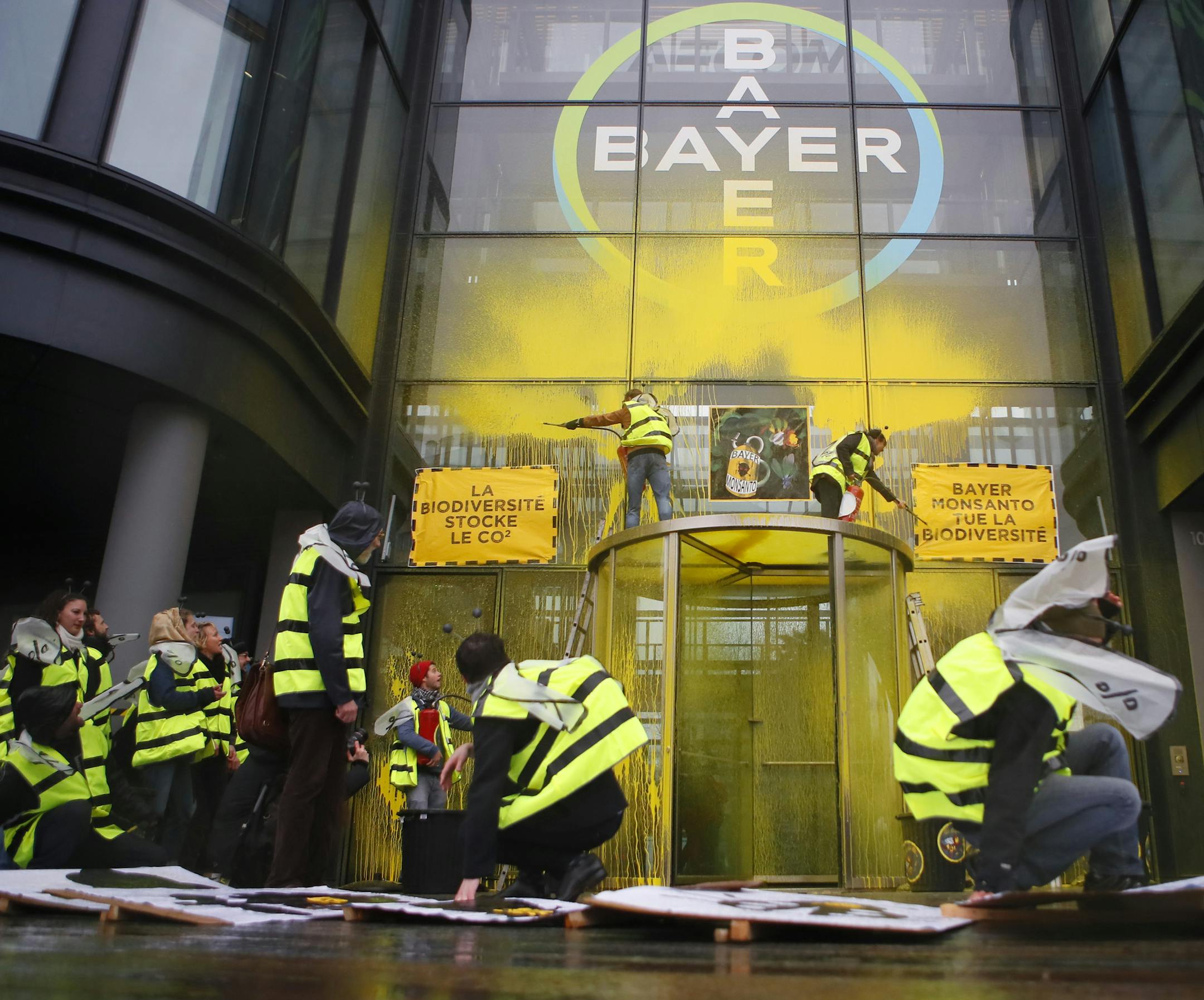
Bayer could do with a few aspirin these days.
A judge in California last week rejected a request by the German chemical giant, which makes the painkiller, for a retrial of a case in which jurors awarded the plaintiff $80 million after concluding that Roundup, Bayer's bestselling herbicide, caused his cancer.
The judge's decision to reduce damages to $25 million offered only marginal relief. The verdict could open the floodgates to 13,400 other plaintiffs around the world who claim to have been harmed by Roundup.
It comes on top of another headache caused by Austria's lower house of parliament, which voted this month to ban glyphosate, Roundup's active ingredient, from November.
'Probably carcinogenic'
The glyphosate lawsuits — and the political backlash — stem from a finding by a division of the World Health Organization, which said in 2015 that the chemical was "probably carcinogenic."
The study, controversial among scientists, has dogged Bayer since it bought Monsanto, Roundup's U.S.-based inventor, in 2018. Bayer's market capitalization has nearly halved since the takeover, to 55.5 billion euros ($62.4 billion), a little less than the $63 billion that it paid for the U.S. chemical giant.
The uncertainty over the toll of glyphosate litigation explains much of the fall. It nevertheless looks like an overreaction. The lawsuits could certainly be painful but look unlikely to prove fatal.
Markus Mayer of Baader Bank, an investment bank, estimates that they could cost between $5.6 billion and $22.5 billion — a fair bit less than the drop in Bayer's share price would imply.