A rural New England cemetery in Groton, Mass., is not where you'd expect to spot four-time Oscar nominee Saoirse Ronan and other Hollywood A-listers on a crisp autumn day.
But there the actors were in 2018, and now on screens around the world, in the Old Burying Ground cemetery, just one of several real-life locations that director Greta Gerwig used in her much-applauded remake of Louisa May Alcott's classic novel "Little Women." Gerwig's film earned an Academy Award for costume design and had been nominated in five other categories.
In the book as well as in the film, set in the 1800s, when marrying a wealthy man was considered a woman's only path to success, Jo March, one of four sisters, rocks the boat by aiming first to have a career. The book's popularity endures, serving as the basis for numerous movies, a PBS miniseries, a (less successful) Broadway musical starring Sutton Foster as Jo and even a two-act opera by the American composer/librettist Mark Adamo.
And while Gerwig gave the plot some contemporary twists, she embraced the 19th-century mood when selecting shooting locations, filming cast members such as Ronan, Laura Dern, Meryl Streep, Emma Watson and others at more than a dozen sites in Massachusetts that have retained the period look.
Now, modern-day readers and viewers can create their own "Little Women" itinerary by visiting a few.
In Boston, the Emerson Colonial Theatre, which opened in 1900, stood in for a New York stage in the film, and runs occasional tours of its lushly restored interior. The Gibson House Museum in the Back Bay neighborhood served as the New York boardinghouse where Ronan's Jo March is struggling to become a novelist. An opulent dance scene was shot in the Grand Ballroom of the Fairmont Copley Plaza hotel, which is offering a "Little Women"-themed experience through February that includes the book "Little Women: The Official Movie Companion" and a movie poster, among other things.
Alcott-themed visits
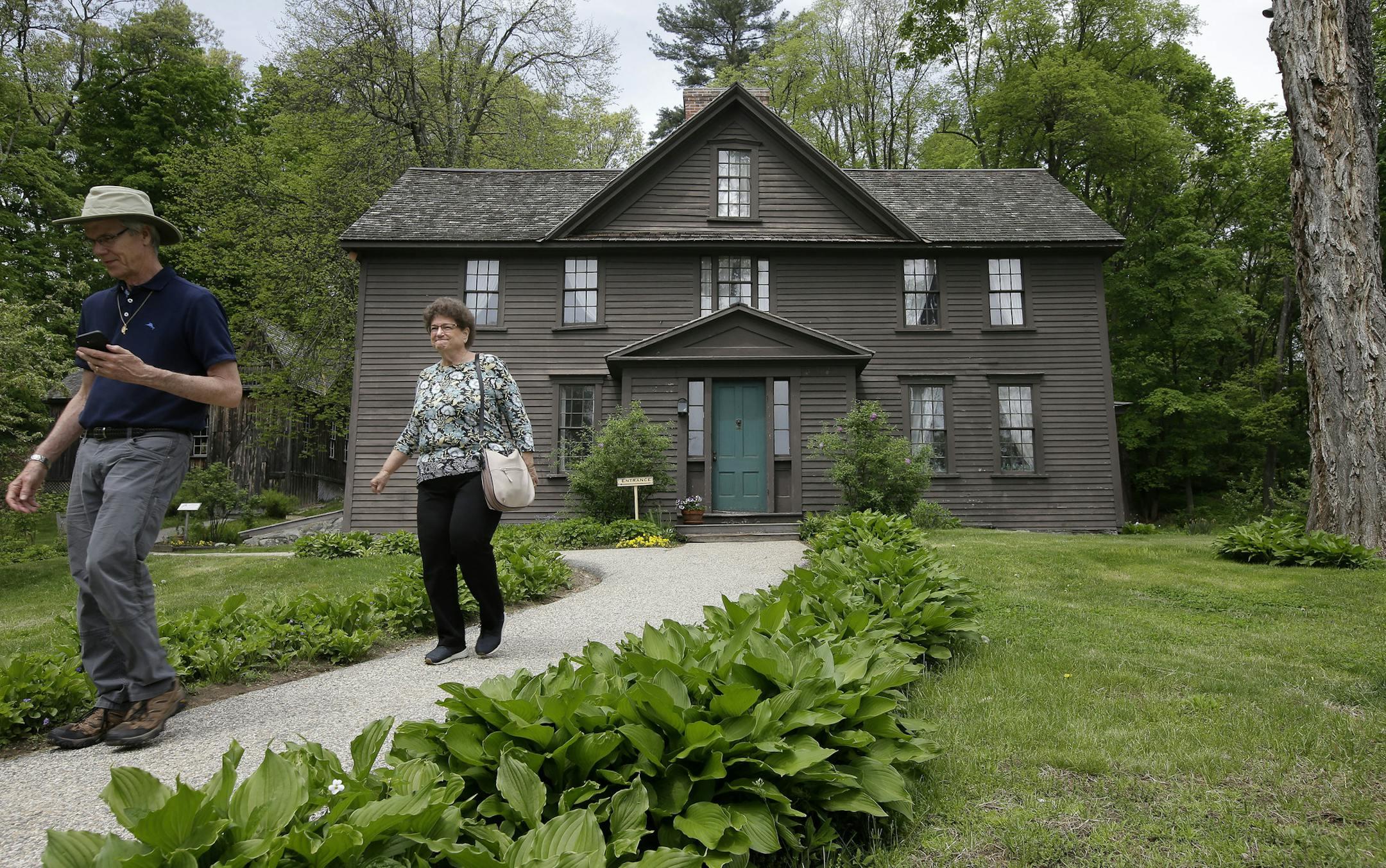
But it's in and around the towns of Harvard and Concord that you can explore a cluster of locations and museums dedicated to the author and her family, including the home where she wrote the largely autobiographical story, originally published in two parts in 1868 and 1869.
Alcott's family was not wealthy. When she was 10 years old, her father, Amos Bronson Alcott, was a leader of a short-lived utopian commune on a bucolic Harvard hillside that's now home to the Fruitlands Museum. The Alcotts lived in the farmhouse on the site, and its sloped-ceiling attic still resembles the one in which the March girls created and rehearsed plays, with Jo playing the men's roles. The exterior of the dark red building appears in the film, but it's at a different structure on the grounds — the smaller, yellow Shaker Museum — where Meg (Emma Watson) shares a kiss with her new husband, John (James Norton), and where they fret over their finances at the kitchen table.