

 1:11
1:11Flint, Mich., is not the only city with lead pipes — and an ever-present risk of toxic contamination in drinking water.
Pretty much every American home built before 1930 was constructed with a lead pipe to carry water from mainlines under the street into the tubs, toilets and faucets inside — a legacy that now haunts the 100,000 citizens of that largely poor industrial town.
But unlike Flint, cities in Minnesota and most other places manage that plumbing heritage through a strict regimen of regulation, chemistry and monitoring.
Which is why water plant operators in the Twin Cities say they are shocked by what happened in Flint. There, thousands of residents have been exposed to unsafe drinking water for close to two years since a switch in water sources and treatment facilities introduced a supply that stripped lead from underground pipes, contaminating the water indefinitely. It's a major failure in public health that has drawn international attention and sparked lawsuits, investigations and resignations.
Those same risks are managed by watchful water treatment operators in every community that has older homes and older water delivery systems, allowing most residents to take safe water for granted.
"We are protecting people from pipes that they don't even know could be bad for them," said Rick Wahlen, manager of utility operations for Eden Prairie.
Like many newer communities, Eden Prairie doesn't have a problem with lead, say state water treatment officials. But older cities such as Minneapolis and St. Paul do, if the homes and water systems haven't been updated with copper. And many have not.
For them, protection has mostly taken the form of regulation and water treatment.
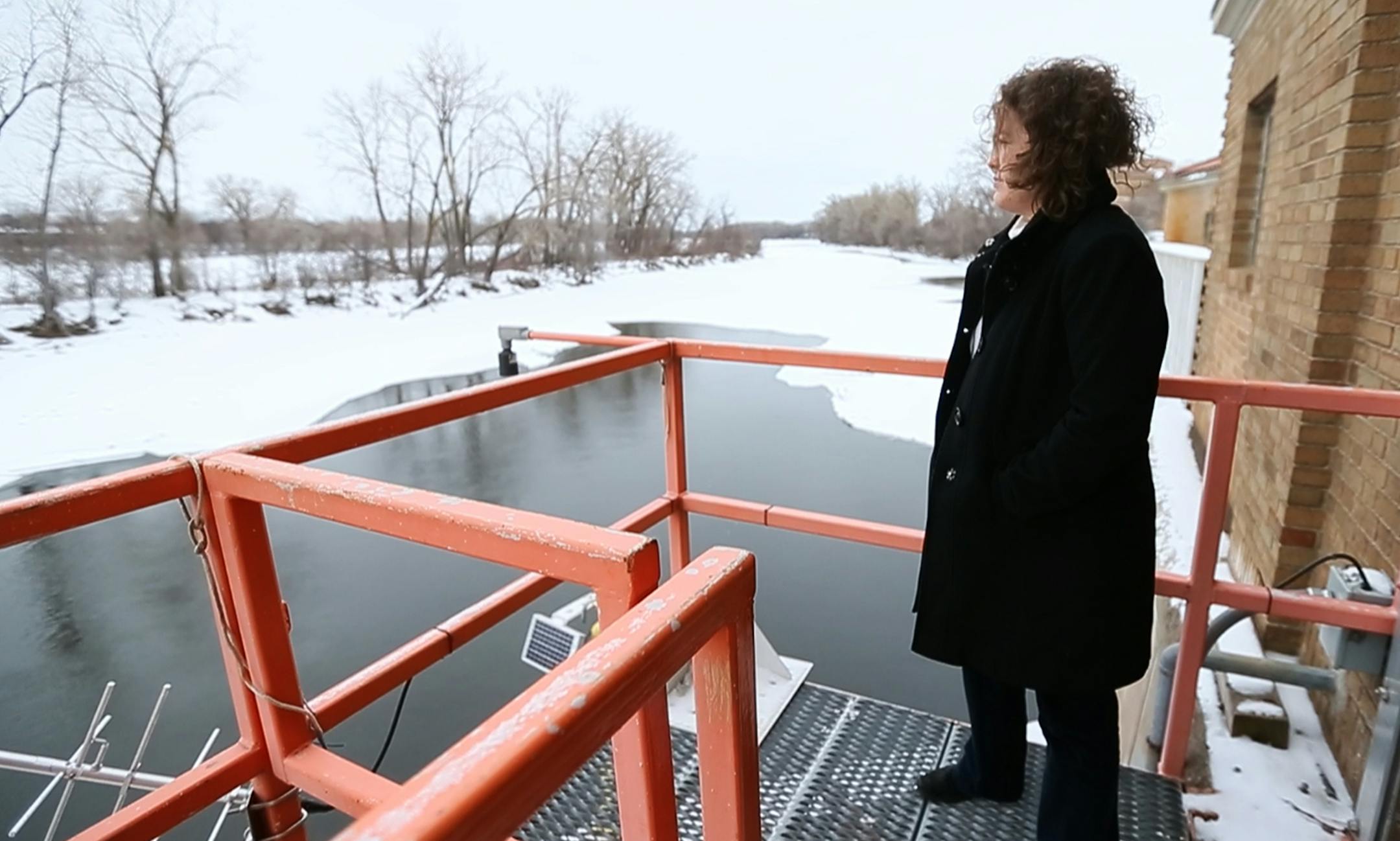
![In foreground river water streams in headed towards the spaulding precipitators to soften the water at the Minneapolis water treatment plant on the Mississippi on Tuesday, January 26, 2016 in Minneapolis, Minn. ] RENEE JONES SCHNEIDER ï reneejones@startribune.com ORG XMIT: MIN1601262159451446](https://arc.stimg.co/startribunemedia/WAD4RNNRQQSRJU6KR46S6TYUOM.jpg?&w=1080)
![A lab technician tested the tap water for phosphates at the Minneapolis water treatment plant on the Mississippi on Tuesday, January 26, 2016 in Minneapolis, Minn. It was slightly blue which was what the technicians hope for. This plant tests everyday. ] RENEE JONES SCHNEIDER • reneejones@startribune.com](https://arc.stimg.co/startribunemedia/2B7SSX7ZRO7HNSUY7CXQAFRJLY.jpg?&w=1080)


