

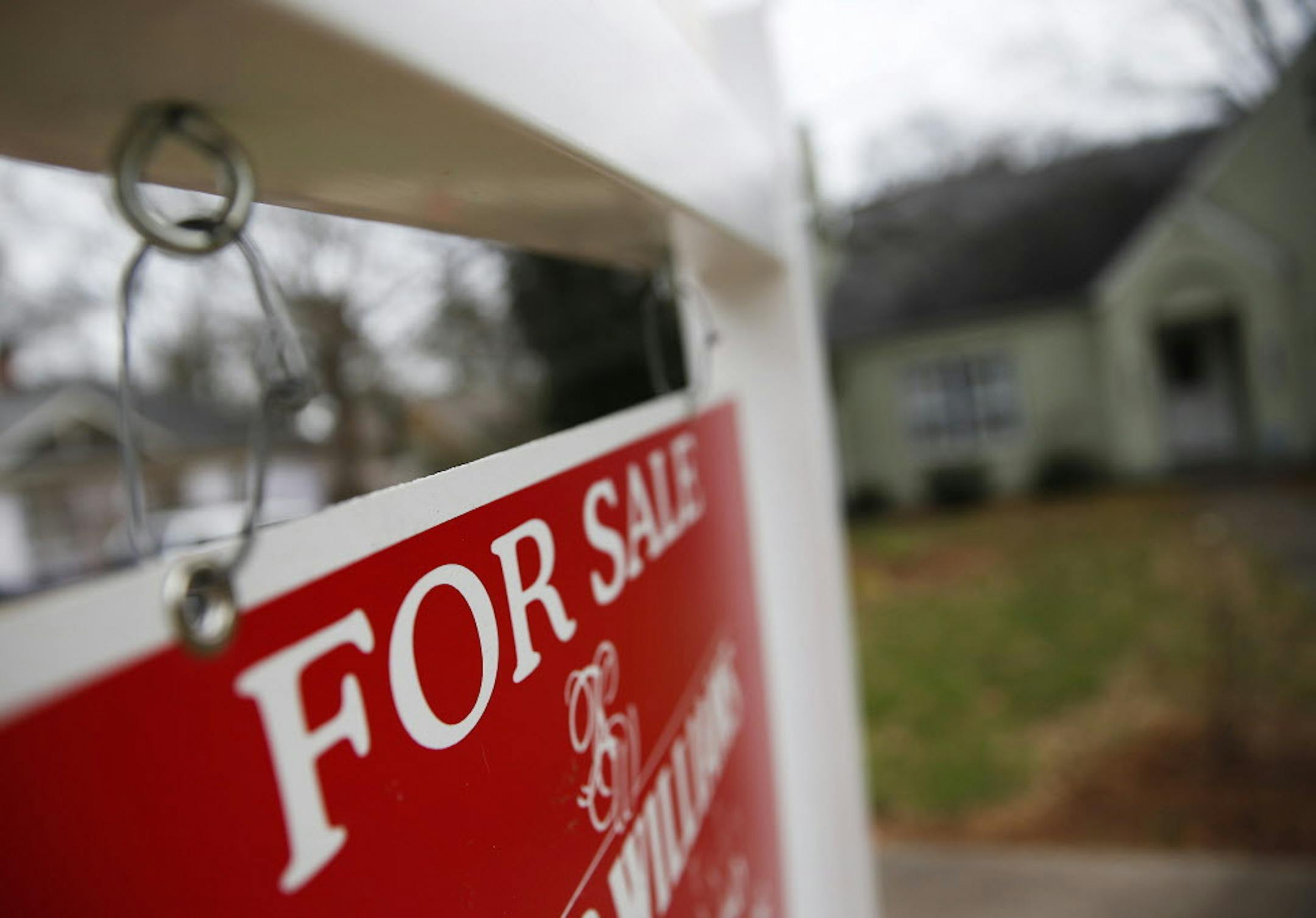
Millennials who watched their parents or grandparents struggle with toxic mortgages, short sales and foreclosure might be reluctant to buy a home and get a mortgage themselves. But most of those bad old loans are gone, and while real estate is never risk-free, today's traditional terms, strict guidelines and government-mandated forms can help millennials become safe and successful homeowners.
The differences are dramatic, said Greg Cook, a senior loan officer for Platinum Home Mortgage in Temecula, Calif.
Payment-option loans
One of the riskiest old loans was known as the payment-option mortgage because it gave borrowers a choice of four monthly payments: a minimum payment, interest-only payment or 15-year or 30-year full amortizing payment, Cook said.
"It was a problem because almost everybody took the path of least resistance and said, 'Let's make the minimum payment.' As a result, the loan balance got bigger."
This increase is known as negative amortization. When house prices depreciated, borrowers found themselves upside-down, owing more than their homes were worth. Many stopped paying and let banks foreclose.
Today, negative amortization loans are exceptionally rare, if they can be found at all, because of a federal regulation that grew from the housing crash: the qualified mortgage rule.
Lenders get special protections when they make qualified mortgages — and qualified mortgages must be fully amortizing, which means the payment must include enough interest and principal to pay off the loan over the term. Negative amortization isn't allowed.
Interest-only loans
Interest-only loans allow borrowers to make payments that include interest, but not principal. When the borrower makes the minimum payment, the loan balance doesn't increase, but it doesn't decrease either.


