

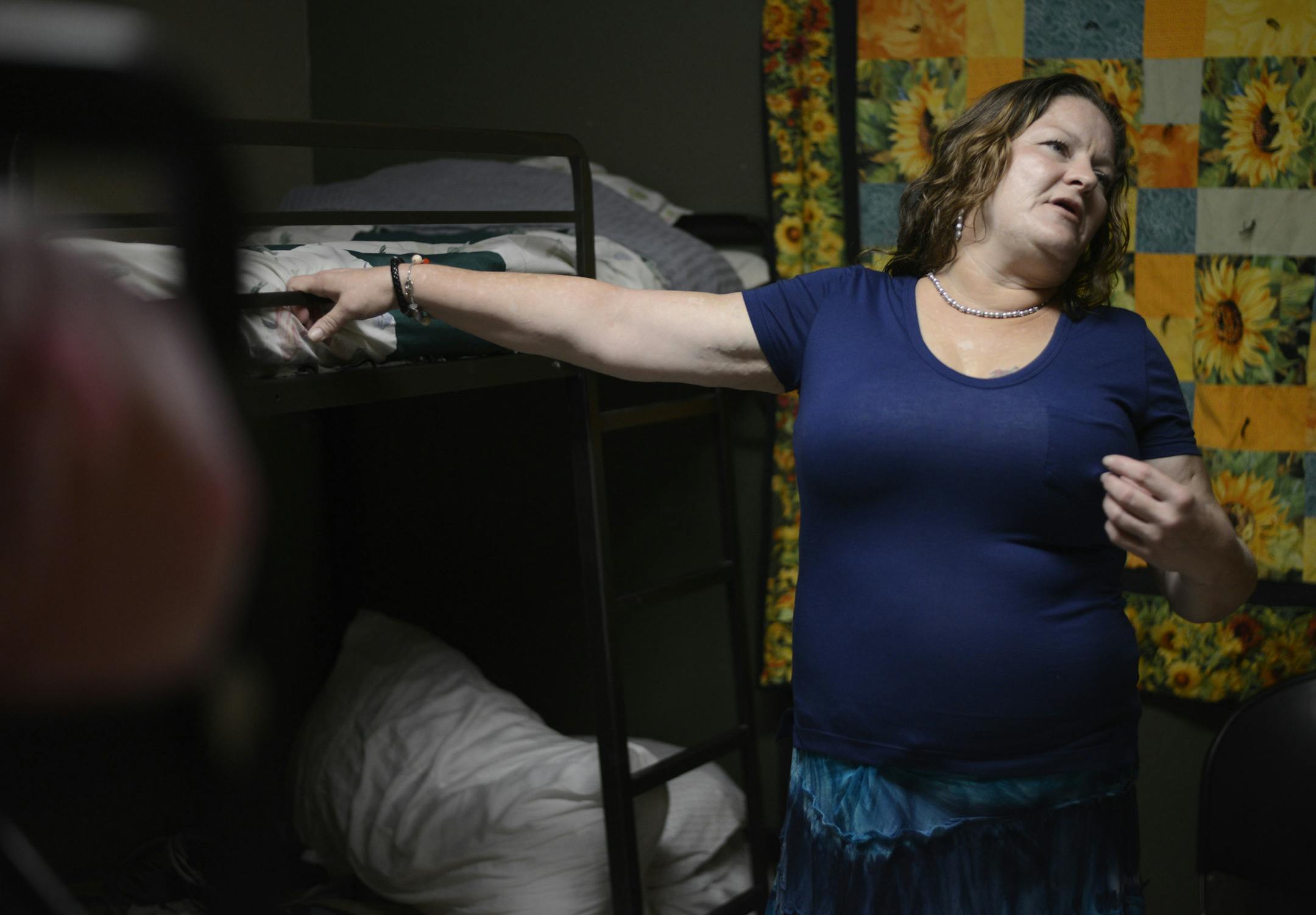
CHICAGO – There are no bomb blasts or collisions with burly linemen in Susan Contreras' past. Her headaches, memory loss and bouts of confused thinking were a mystery until doctors suggested a probable cause: domestic violence.
"He would hit me mainly in the head so that nobody would see the injuries. He'd hit me in the back of the head so the bruises wouldn't show," the Phoenix woman said.
The abuse from her ex-partner took a heavy emotional toll, Contreras says. But even though he sometimes knocked her out, she hadn't considered that her brain might have been as damaged as her psyche.
"Honestly, there's so many holes in my memory, thinking problems," she said. "My memory is really gone."
Brain trauma in domestic violence survivors has been overshadowed by concerns about injuries in Iraq and Afghanistan war vets, and by effects of repeated head blows in football players. Experts believe many cases go undetected and untreated in abused women, making them vulnerable to problems with thinking, mood and behavior.
Advocates say the injuries leave some survivors so impaired that they can't manage their jobs and lives. Some end up homeless.
About one-quarter of U.S. women and 14 percent of men have experienced severe physical assaults by a partner in their lifetime, according to the federal Centers for Disease Control and Prevention. Head and neck injuries are among the most common, and data suggest that domestic assaults may cause traumatic brain injuries in at least 60 percent of survivors, according to a research review published this year in the journal Family & Community Health.
Traumatic brain injuries can result from even a single sudden blow to the head. The symptoms may be short-term or long-lasting, and repeated assaults increase chances for permanent neurological damage. Whether that damage can cause the downward spiral that domestic violence survivors sometimes get caught in is unproven, but studies have found these brain injuries are more common in homeless people than in the general population.


