

 1:20
1:20LA CROSSE, Wis. – Firefighter Jim Hillcoat knows the signs: slow, shallow breathing, shrunken pupils, weak pulse. Occasionally, even a needle nearby. A drug overdose — and it's becoming more common as heroin has infested this college town along the Mississippi.
But on a call with the fire department here, Hillcoat can't give the antidote he's sure will help: naloxone.
The drug, also known as Narcan, can quickly reverse the effects of an overdose, bringing a person from unconscious to complaining in a matter of minutes. Paramedics can, and increasingly have, used the drug. But timing is crucial, and paramedics are often not first to a scene. Officials here believe that by putting naloxone in the hands of firefighters — and perhaps police officers — they can save lives.
"Whether it's a minute or five minutes earlier, it helps," Hillcoat said. "The sooner you can give the antidote, the better."
It's been done in New York and Massachusetts, where cities have since reported decreases in overdose deaths. In Wisconsin, the La Crosse Fire Department is first in line for a yearlong pilot program to train firefighters to use naloxone. Minnesota officials are watching. Sen. Chris Eaton, DFL-Brooklyn Center, has been working with two state agencies to draft a bill that would make the drug more widely available.
In recent years, cities nationwide have been grappling with growing abuse of heroin and prescription opiates, including painkillers such as Vicodin and OxyContin. Bolstered by a key study earlier this year, experts believe that naloxone could be one inexpensive way to cut the death toll.
"This is a lifesaving measure, and having it where it's needed is a definite plus," said Dave Hartford, an assistant commissioner in the Minnesota Department of Human Services. Naloxone is nonaddictive, easy to administer and has few side effects, so "there isn't much of a downside to it," he added.
But how much training a person should have in order to administer the drug is still up for debate.
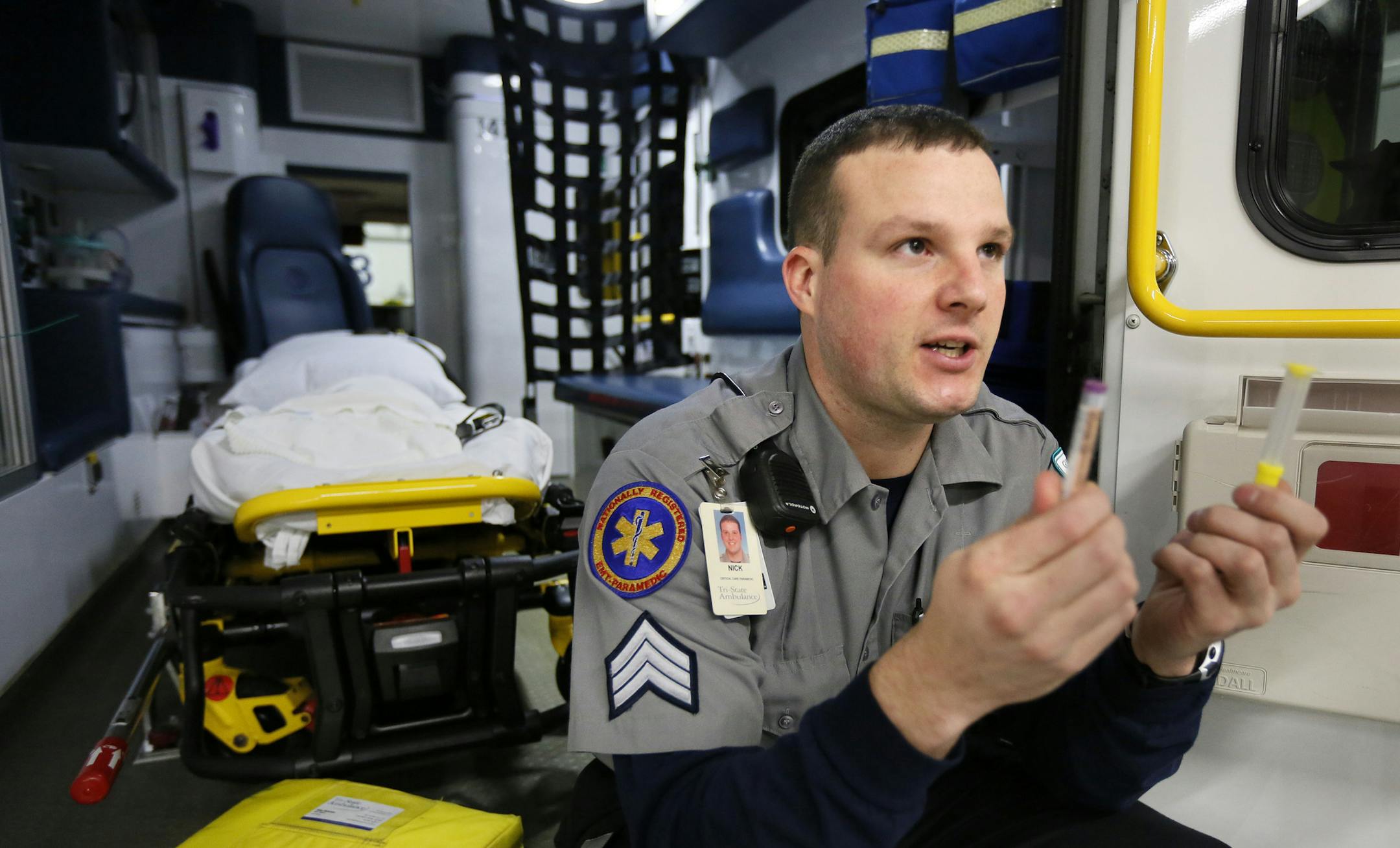
![La Crosse Wisc. firefighters could soon carry with them a powerful antidote to the heroin overdoses they're increasingly responding to. Right now, only paramedics can administer Naloxone. Some Minnesota lawmakers, too, want to open up access to the drug, putting it in the hands of first responders. Here, Nick Eastman, a paramedic with Tri-State in LaCrosse, Wisc. talks about his experience with Naloxone. ] La Crosse, WI - 11/06//2013](https://arc.stimg.co/startribunemedia/43HENKTPSY4YQ3S6RVOUDK37PE.jpg?&w=1080)


