

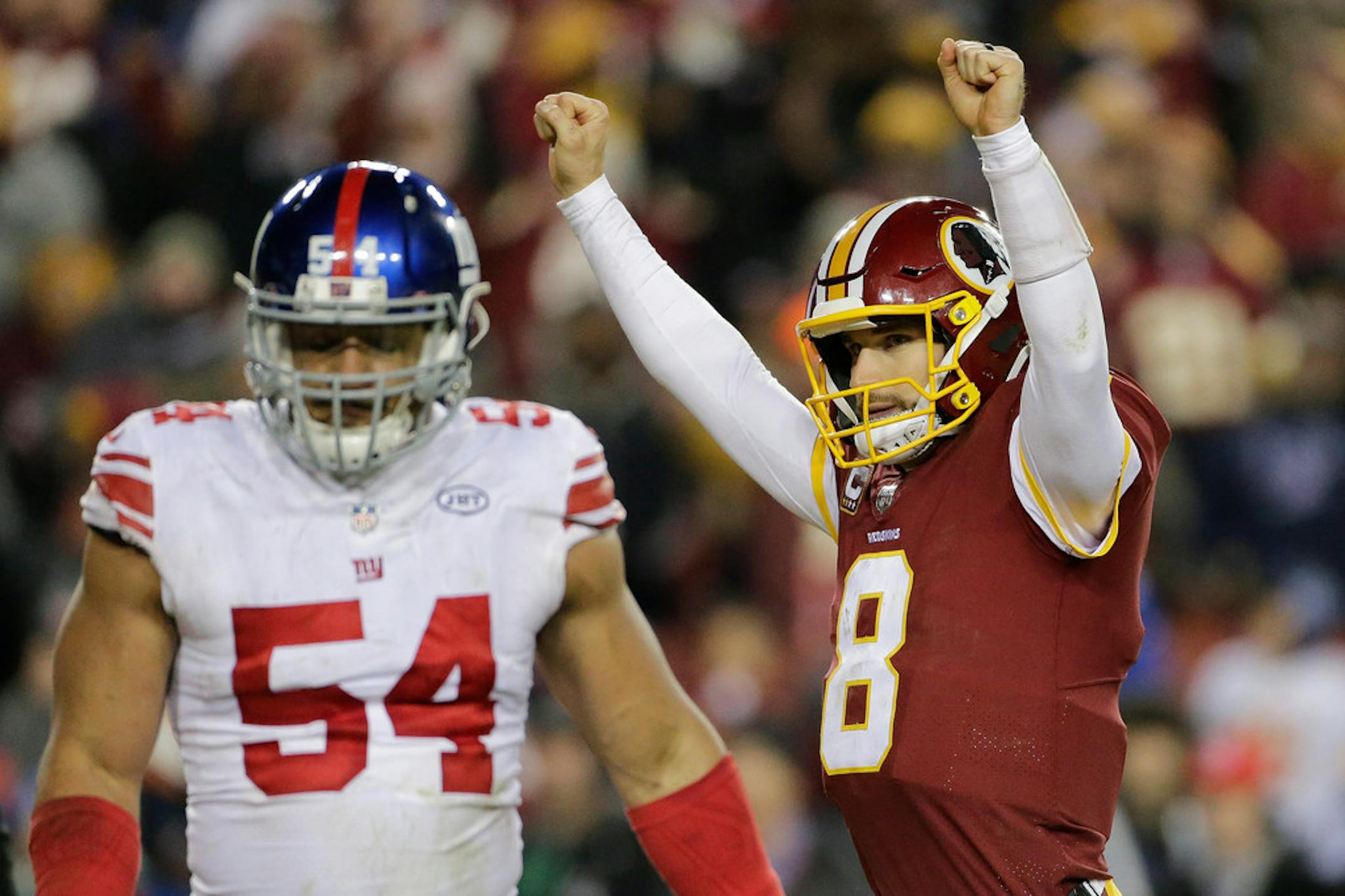
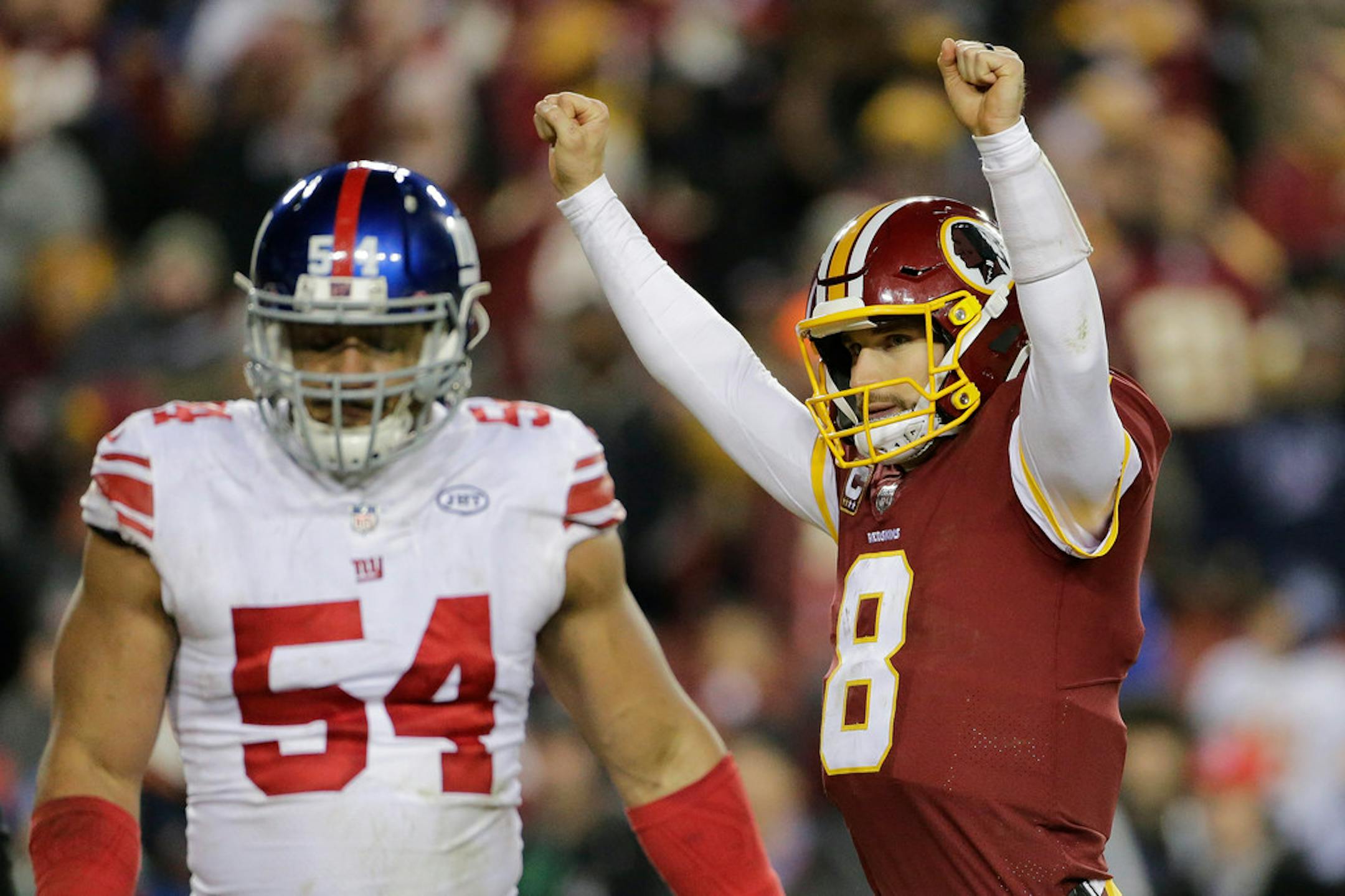
The Vikings made Kirk Cousins the NFL's highest-paid quarterback, for however long, by virtue of a three-year, $84 million deal that will pay him an annual average of $28 million — a record.
So what exactly did the Vikings buy?
You've read the numbers by now: three consecutive 4,000-yard seasons with at least 25 touchdown passes each year. His teams didn't win much, but individually the Vikings clearly saw enough to put them over the top in a way they believed Case Keenum could not.
We'll see if the Vikings are right. Cousins turns 30 in August, essentially the prime for quarterbacks. He arrives in Minnesota with proven durability as a strong-armed passer, accurate up to a certain point down the field. There are some areas to polish, which we'll touch on below.
On the surface, one thing shouldn't change: the Vikings' heavy use of play-action. Cousins was rated as one of the NFL's best play-action passers last season with a 118.7 rating trailing only Marcus Mariota. He was significantly better (+31.3 passer rating) with play-action than without under Jay Gruden last season.
The Vikings offense should still run through Dalvin Cook, setting up Cousins and the passing game.
Let's take a closer look below at all things Cousins, beginning with one point of emphasis for the Vikings.
Red zone
Washington was a mediocre red-zone offense with Cousins under center, peaking at 14th last season, according to Football Outsiders. The Vikings were much better – fifth in the same points per red-zone trip measurement – a pillar in the 13-win regular season. So one of the points of emphasis with Cousins will need to be red-zone schematics and ball placement. He's not known for firing the ball into tight windows. This is where John DeFilippo's influence could make a mark in keeping Cousins on schedule. DeFilippo was regularly involved in the Eagles' red-zone game planning during his time in Philadelphia.


