IN SOUTHEAST MINNESOTA – When Ross Goldsmith's great-grandfather, George Goldsmith, arrived in this part of the state from England in 1862, he came by boat, docking in Winona and hoofing it from there to Fillmore County, not far from the village of Chatfield, present population about 2,700.
At the time, mature white pines shaded the sun from much of the southeast bluff country, massive trees that in the decades to follow were felled and milled to build homes and barns.
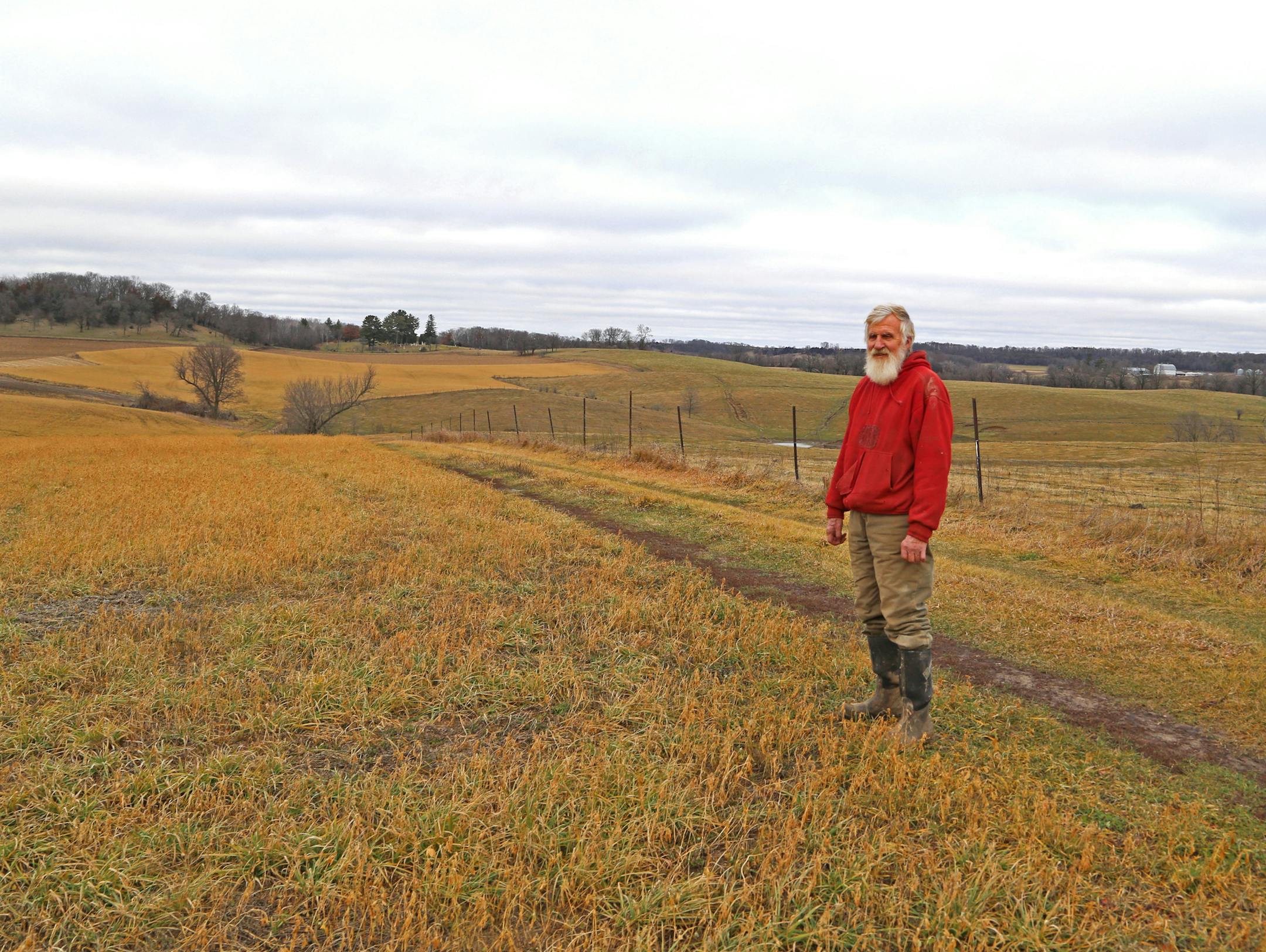
Some of those barns stand yet today, including a few on the 1,600 acres owned by Ross Goldsmith, 70, and his brother, Steven, 68, livestock operators who recently were named the state's outstanding conservationist farmers by the Minnesota Association of Soil and Water Conservation Districts.
The award in part recognizes the Goldsmith brothers, along with other family members, for their efforts at controlling runoff from their lands into the Root River and various of its tributaries.
Just as appropriately, the award could have acknowledged the Goldsmiths' tenacity, intelligence and common sense, each of which has been critical to sustaining the family's livelihood for more than a century and a half, and sustaining, as well, a black Angus herd that at times each year swells to more than 1,000 animals.
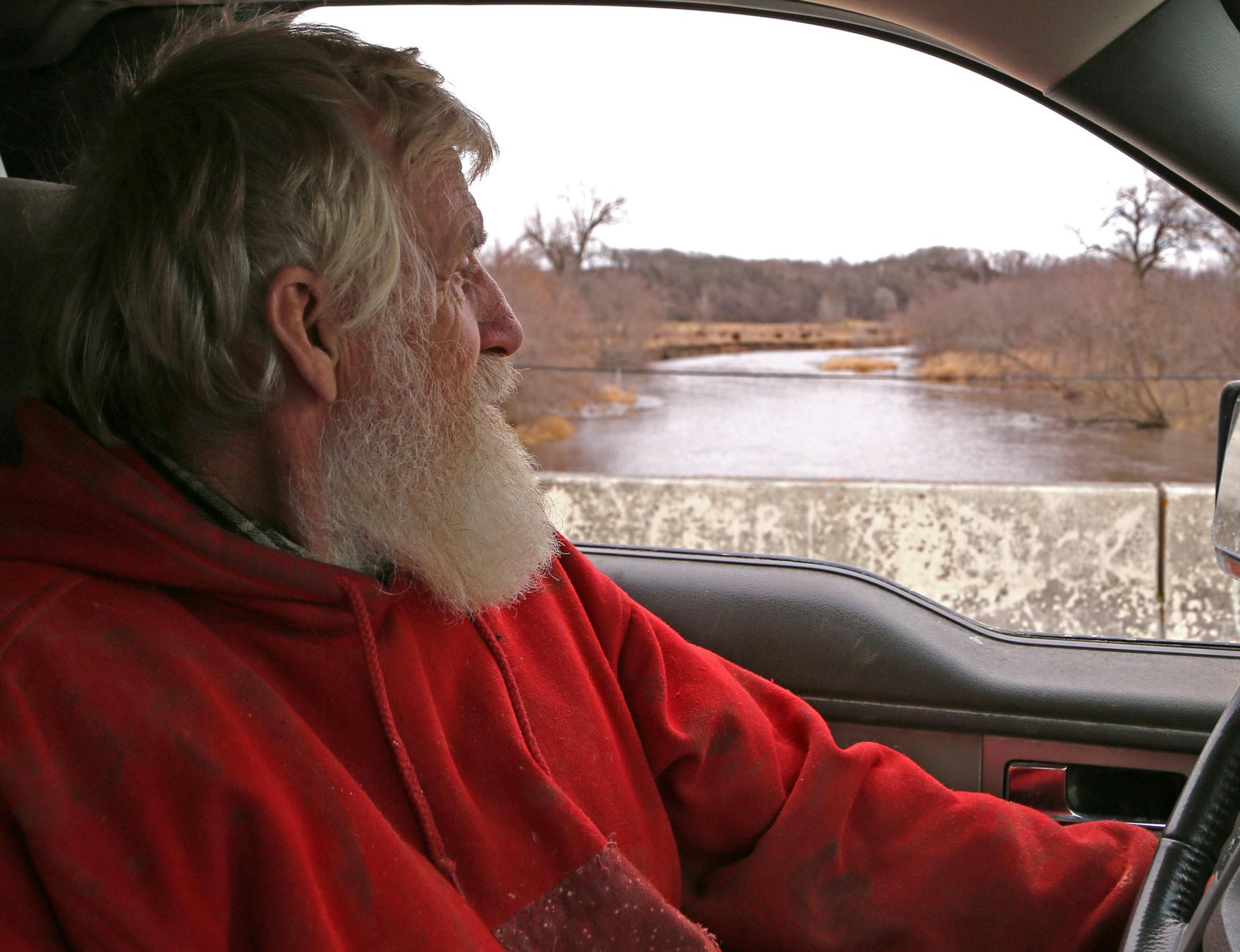
"We continually try to improve ourselves and our ability to make an income, and to do so we have to improve our animals,'' Ross Goldsmith said the other day as he guided his improbably dust-shrouded pickup through the picturesque southeast.
This is limestone country, highlighted by springs and sinkholes, creeks and rivers. Crops are grown here, corn and soybeans, but not with the bullish yields known to western Minnesota's flatlander farmers.
Better hereabouts, the Goldsmiths believe, to keep grass on the ground for pasturing and feedstock, with a lesser emphasis on cash cropping.