

When national tragedy strikes in the form of attack or assassination, the emotional repercussions play out on private stages -- This was where I was when it happened.
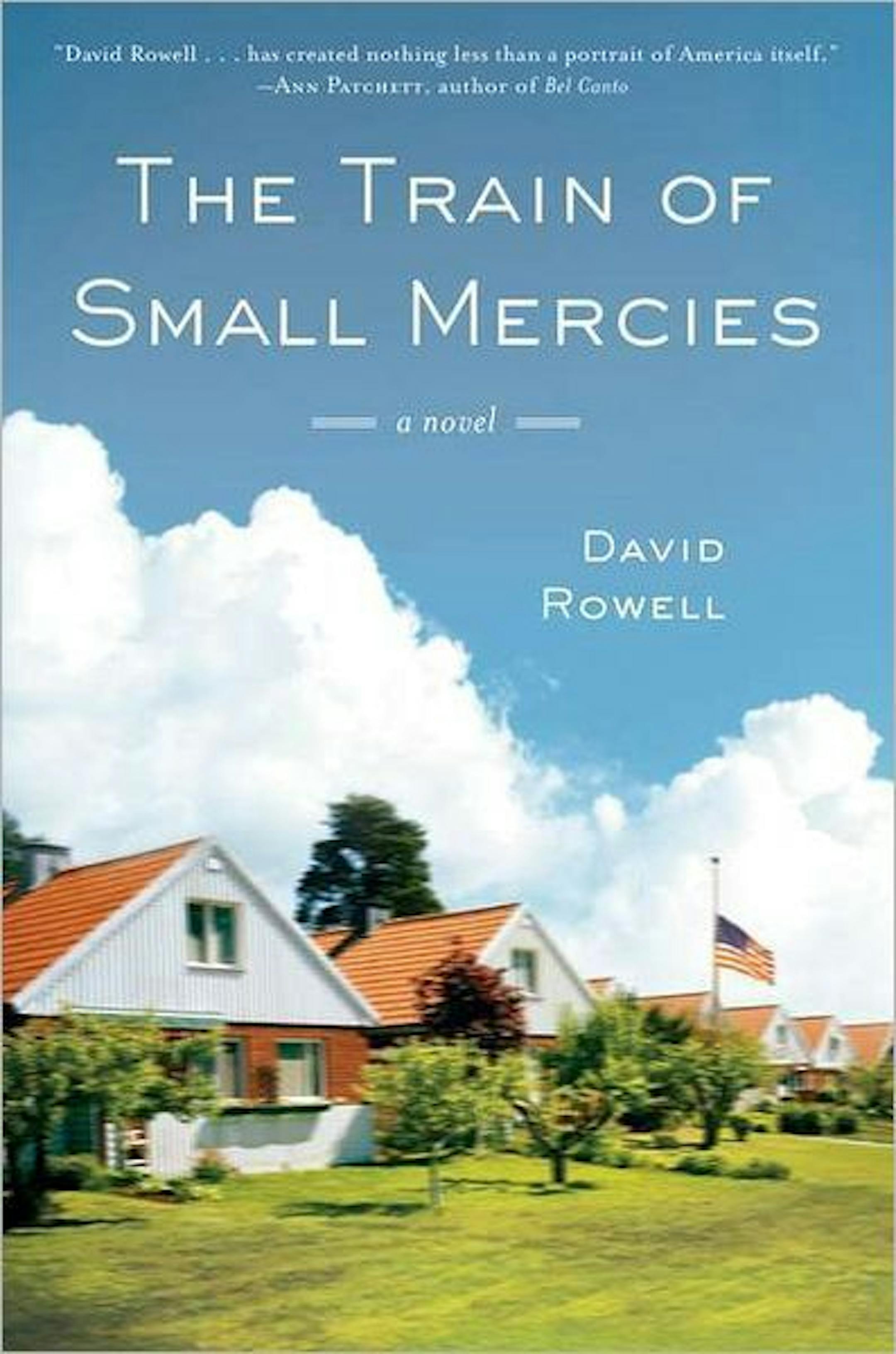
In his first novel, Washington Post Magazine editor David Rowell examines the effects of collective mourning on the lives of six fictional characters. Specifically, each character is in some way transformed by the passing of Robert Kennedy's funeral train from New York to Washington. Knitting together threads of disparate narratives, "The Train of Small Mercies" (Putnam, 272 pages, $24.95) delivers a finely woven tapestry of national remembrance and potential healing during one of America's darkest days.
The book uses alternating points of view with protagonists from six sites on the train's progression (Maryland, Delaware, New York, Washington, D.C., Pennsylvania and New Jersey), and each protagonist represents some small piece of national consciousness -- the war vet, the tenuous marriage, the middle-class black family, the immigrant, the unhappy housewife and a child of recent parental separation. Although he employs well-worn archetypes, Rowell nonetheless mostly steers clear of stereotyping.
True to his journalistic background, the details of time and place feel authentic (references to Jim Morrison, unbuttoned silky shirts and purple combs in afros hit the notes of 1968, but not too hard). The characters have distinctly individualized points of view, with varying interest in Bobby Kennedy's plight, from deeply reverential to notably indifferent. Yet all of them are in some way affected by the train's passage.
The effect of the third-person narrative and shifting point of view is something akin to literary photojournalism. We are given snapshots into the lives of ordinary people on an extraordinary day, and, in certain cases, we are not fully aware that any one particular story has come to a close. Then the realization hits: When the train passes through that particular town, the story of that site has, in effect, come to an end.
The pace of the novel, unlike the heavily delayed train, keeps moving right along. However, in alternating between different story lines, some characters are forgotten for long stretches.
"The Train of Small Mercies" addresses the weighty themes of the time -- the effects of war, marital strife, racial tensions -- but manages to convey them in hushed tones. The interplay of fiction and nonfiction is particularly effective with the Vietnam War veteran. As a result, this is a book whose revelations are quieter (without in any way diminishing their power), a book that listens to the voices of regular Americans and offers them, and the reader, shelter from the storm.
Jackie Reitzes is a writer and editor living in Manhattan. Her work has appeared in ESPN the Magazine, among other places.


