

SACRAMENTO, Calif. – Feeding dairy cows seaweed may reduce methane emissions, which could affect greenhouse gas reduction techniques, said researchers from the University of California, Davis.
"The numbers we're seeing are amazing — well beyond the target that farmers will need to reach," said animal science department chair Ermias Kebreab. "This is a very surprising and promising development."
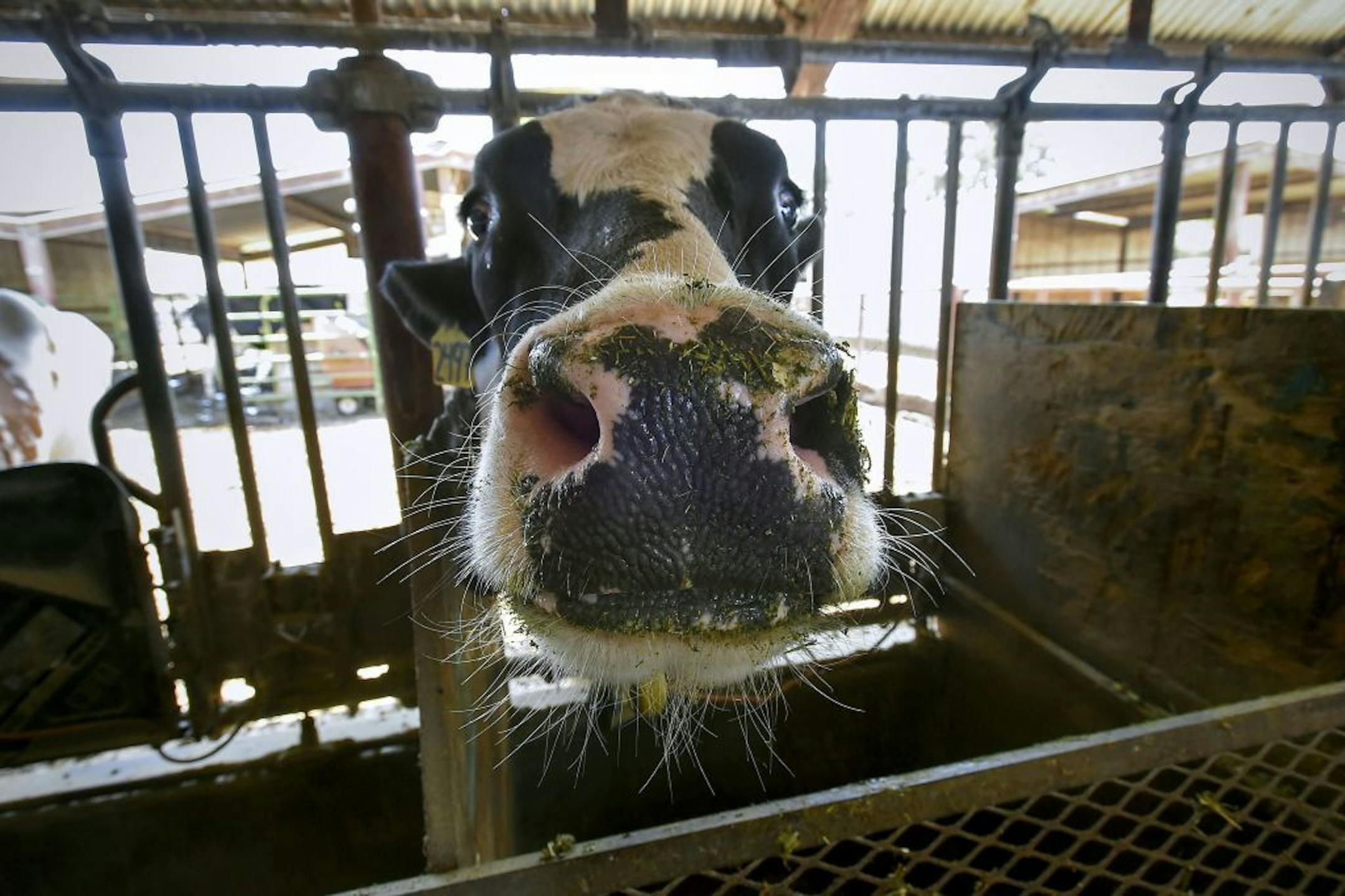
Kebreab and animal nutrition graduate student Breanne Roque separated 12 Holsteins into three groups, two that received different doses of seaweed and one that got no seaweed. The two test groups eat seaweed sweetened with molasses for two weeks at a time before returning to a normal diet for a week. Each cow eats a snack from an open-air device that simultaneously measures their breath's methane content. Their milk is also tested for yield, flavor and nutritional content throughout the experiment.
Lawmakers passed legislation in 2016 that forced owners of California's 1.4 million dairy cows to cut methane emissions by 40 percent by 2030. Farmers have experimented with techniques such as methane digesters in hopes of finding a cost-effective way to comply.
"Results are not final, but so far we are seeing substantial emission reductions," Kebreab said. "This could help California's dairy farmers … and sustainably produce the dairy products we need to feed the world."
An Australian lab found in 2016 that making seaweed 2 percent of a cow's feed could inhibiting gas-producing enzymes and cut methane emissions by 99 percent. The UC Davis experiment is the first to test the theory on live animals, the university said.
Methane is 20 times more efficient at trapping heat in the atmosphere than carbon dioxide and accounted for 10 percent of greenhouse gas emissions in 2016, said Environmental Protection Agency data. Domestic animal digestion and defecation accounts for roughly 30 percent of all U.S. methane production.


