

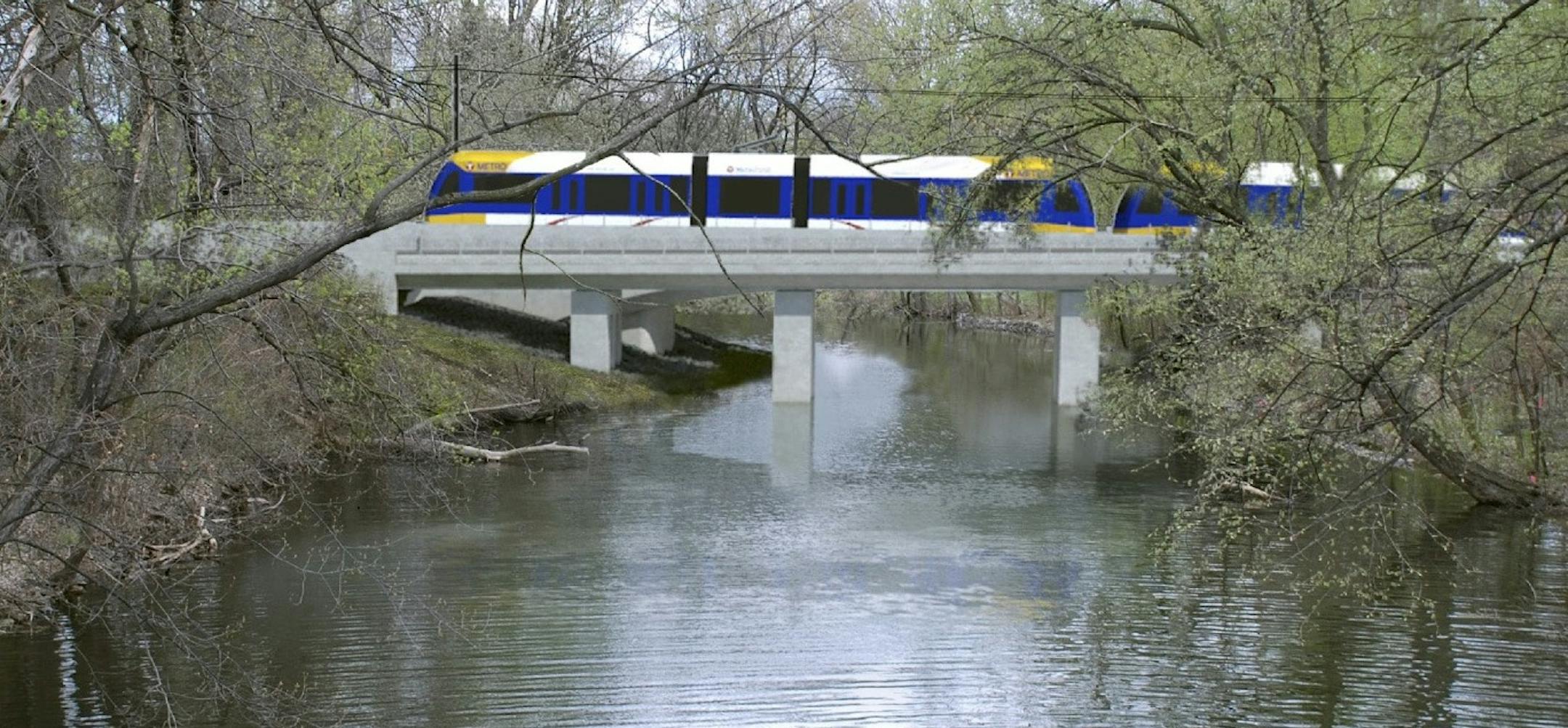
A highly anticipated environmental report on the proposed Southwest light-rail line, released Friday, concluded that the project would change the character of a portion of Minneapolis' Chain of Lakes — but that steps would be taken to dampen the impact.
The 17,000-page final environmental impact statement of the line, published by the Federal Transit Administration, represents one of the last regulatory hurdles before the project can proceed toward construction. A federal lawsuit continues to loom over the project, however, and it remains unclear whether the state will commit the $135 million needed to secure half of the $1.7 billion cost from the federal government.
The 14.5-mile Southwest line, an extension of the Green Line, would run from downtown Minneapolis to Eden Prairie.
The release of the report, which outlines impacts and how to minimize their effects, comes as project supporters press hard for the Legislature to approve funding before this session ends on May 23.
The review found that running light rail with freight rail on new concrete bridges between Lake of the Isles and Cedar Lake would create additional noise and a "tunnellike space" for boaters moving through the channel. Planners intend to reduce the effect by building a short wall and installing noise-reducing rail components along the bridge.
Squeezing recreational trails, light rail and freight trains through that corridor has been one of the most controversial aspects of the project. The review did not find major problems associated with another core facet of that plan, a shallow tunnel south of the lake connection, except for vibration noise that would be alleviated with special fasteners.
"The project has conducted in-depth, independent studies on potential impacts to the lakes," said spokeswoman Laura Baenen. "These studies show that the project will not negatively impact water levels or quality of the lakes."
The environmental review has played a key role in the lawsuit by the Lakes and Parks Alliance of Minneapolis, which claims that the Metropolitan Council prematurely locked into a specific route for the line before fully analyzing all of the environmental impacts. Other routes would have relocated the freight rail, easing congestion on the corridor.


