

The federal government has joined a second whistleblower lawsuit alleging that Minnetonka-based UnitedHealth Group wrongly received higher payments from Medicare based on false information about enrollee health problems that could have been corrected.
In a filing this month, federal prosecutors said they want to consolidate the second case with a whistleblower lawsuit unsealed in February that alleged UnitedHealth and customers of its subsidiary for data and analytics received hundreds of millions, if not billions, of dollars in government overpayments related to "risk adjustment."
Like in the earlier case, UnitedHealth on Tuesday issued a statement saying the company was confident it complied with Medicare rules.
The federal government disclosed this month it has ongoing investigations about risk adjustment practices at four other carriers including Aetna and a division of Cigna.
"Litigating against Medicare Advantage plans to create new rules through the courts will not fix widely-acknowledged government policy shortcomings or help Medicare Advantage members," UnitedHealth Group said in its statement.
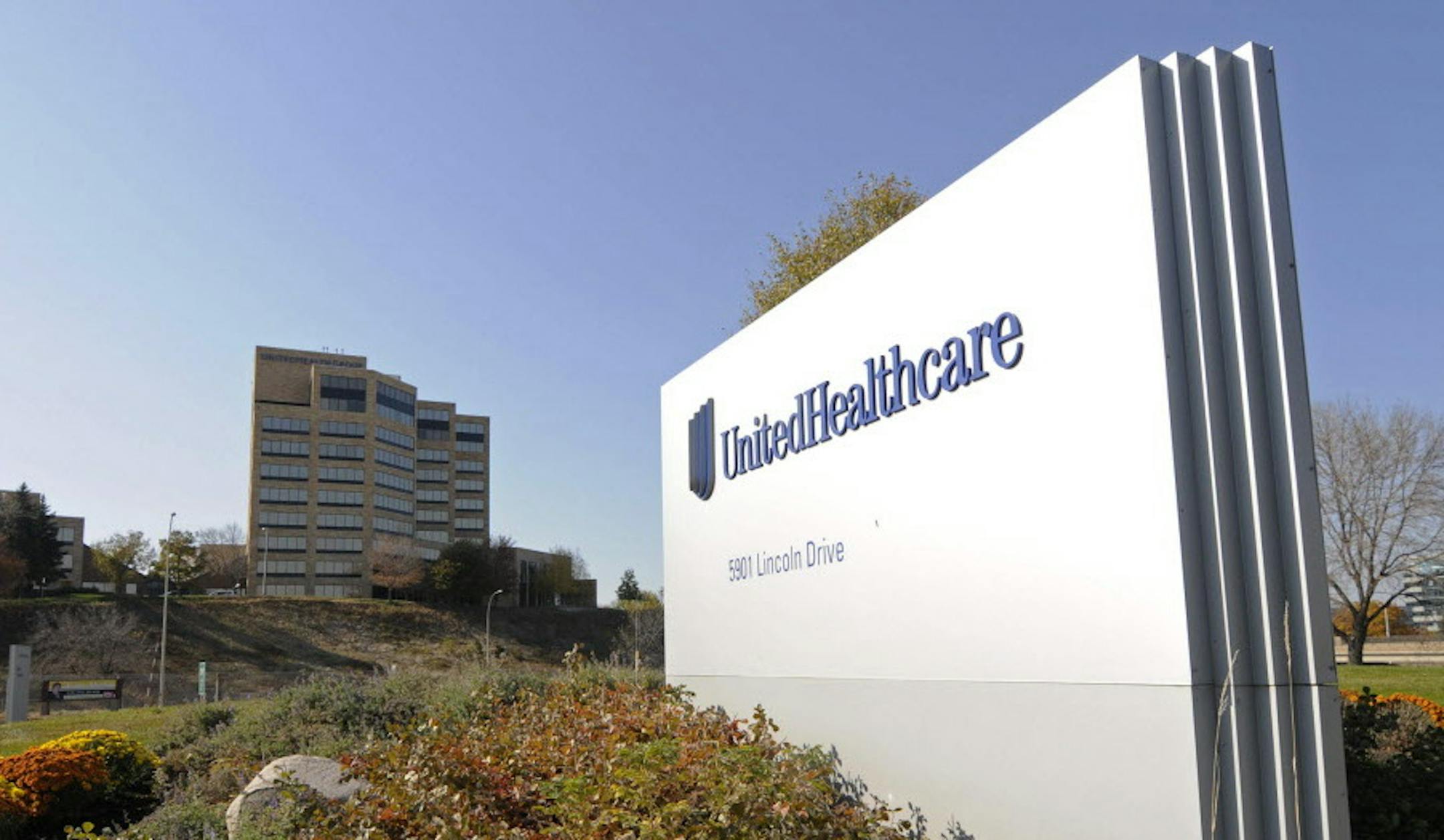
UnitedHealth Group is the parent company of UnitedHealthcare, which is the nation's largest health insurer. The company is the nation's largest provider of Medicare Advantage (MA) health insurance plans, where the government provides insurers with a per-member per-month payment for managing the health care of enrollees. Medicare will increase these "capitation" payments for patients who have a greater risk of needing costly treatments.
The new lawsuit says UnitedHealthcare and related companies submitted information to Medicare about patient diagnoses to justify payments, and then later performed record reviews to find more diagnosis codes that could justify further payments. These retrospective reviews have a legitimate purpose in improving the accuracy of risk adjustment information, the lawsuit says, but alleges UnitedHealthcare didn't use these reviews to correct errors in the information originally provided to Medicare.
"Defendants designed, utilized and/or conducted retrospective reviews that resulted in only adding diagnosis codes that were not previously reported to the government ... but concealed, and failed and refused to withdraw, diagnosis codes previously reported to the government that were unsupported by the reviewed medical charts," the lawsuits states. Correcting the information "would have lowered defendants' MA patients' risk scores and thus lowered payments by the government to defendants."


