WASHINGTON – The Federal Reserve cleared the way Wednesday for raising interest rates for the first time in six years, but said it was in no hurry to act as long as inflation was tame and economic growth moderate.
The Fed dropped the closely watched buzzword "patient" it has used to describe its approach to raising the federal funds rate, which is one of the central bank's main tools for stimulating or slowing the U.S. economy and a key benchmark for other interest rates.
But the central bank's next move has grown more complicated with a number of unexpected factors, including dangerously low inflation, an abrupt strengthening of the dollar, and turmoil in the struggling economies of Europe, Japan and emerging markets.
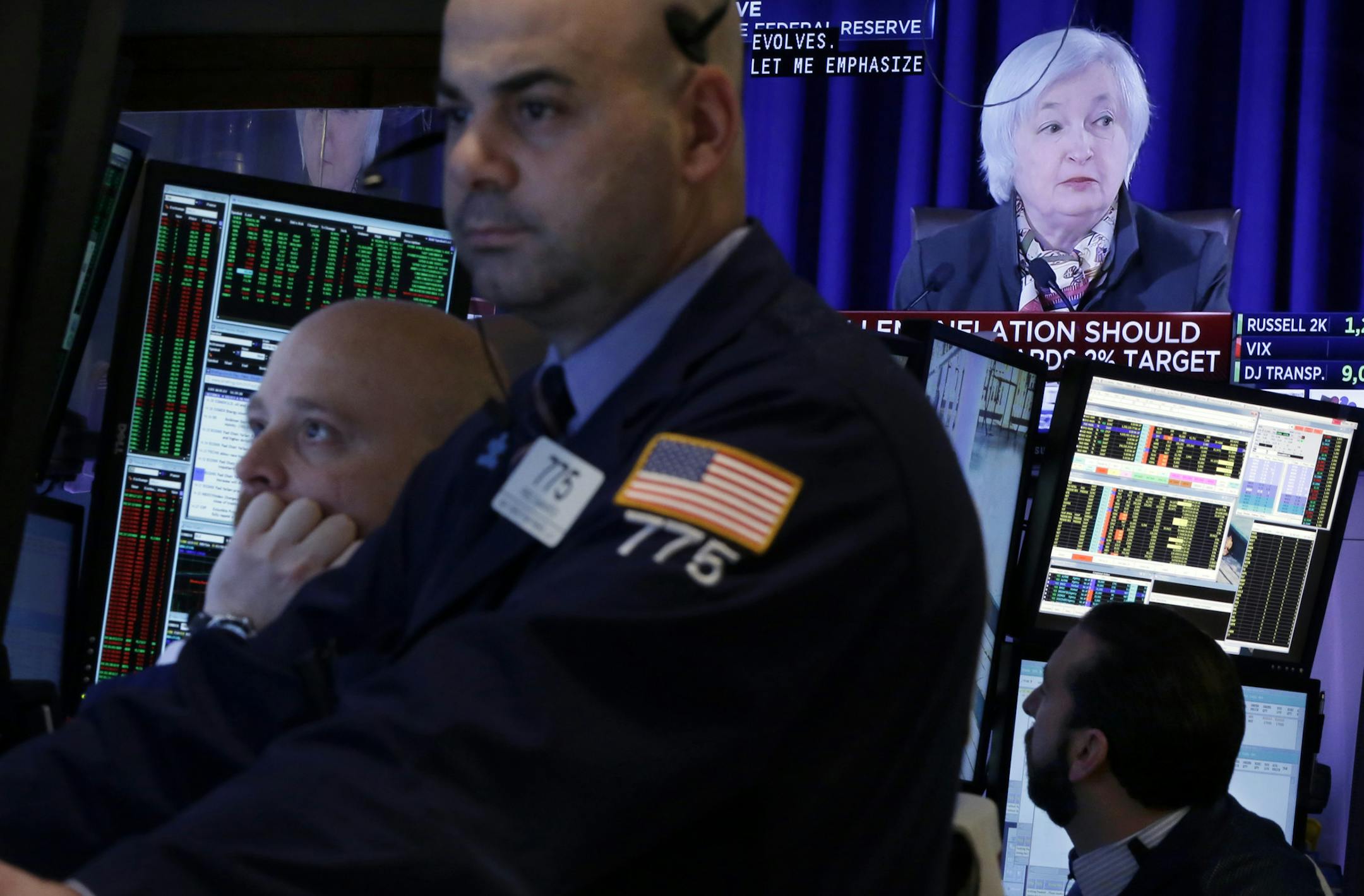
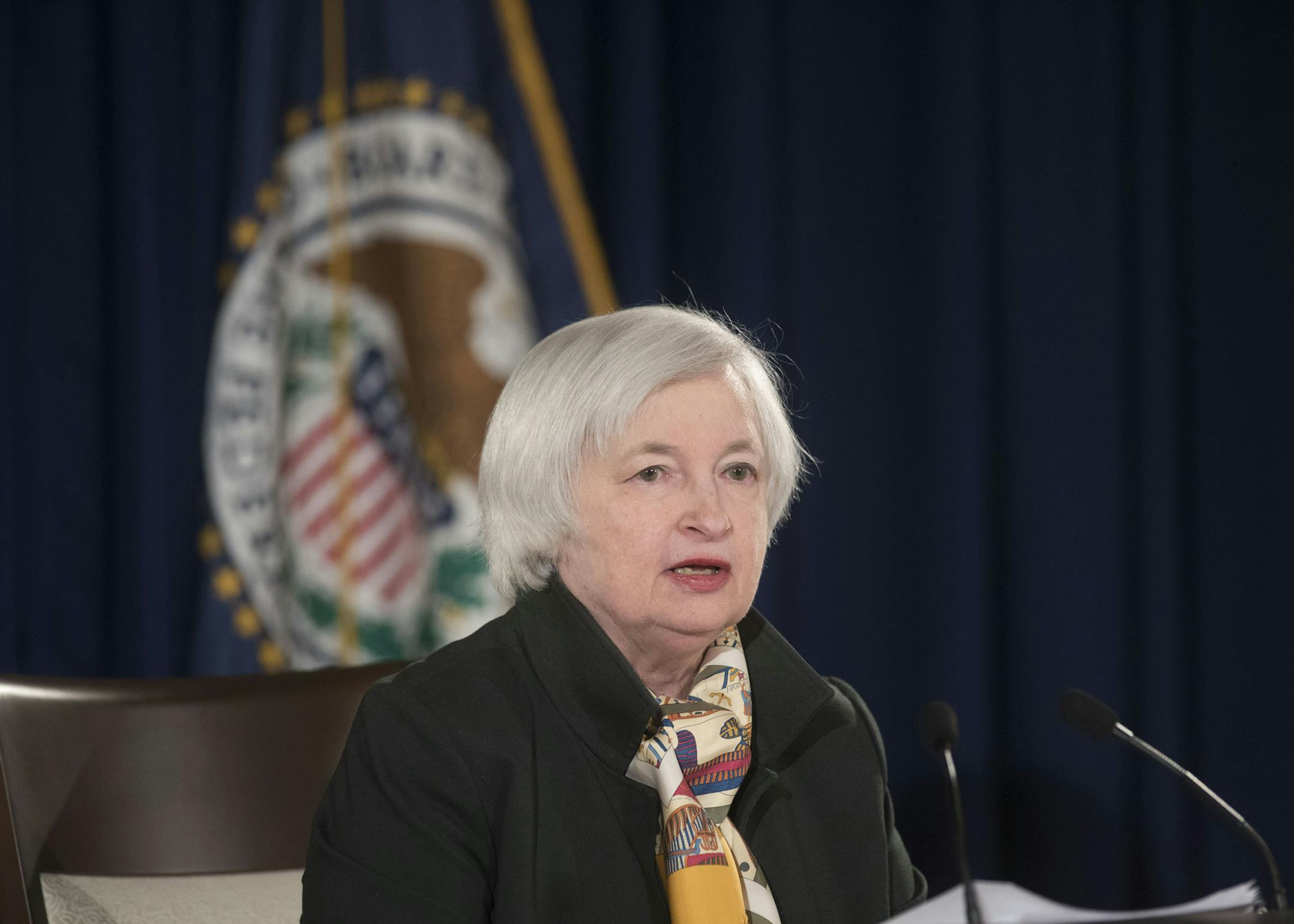
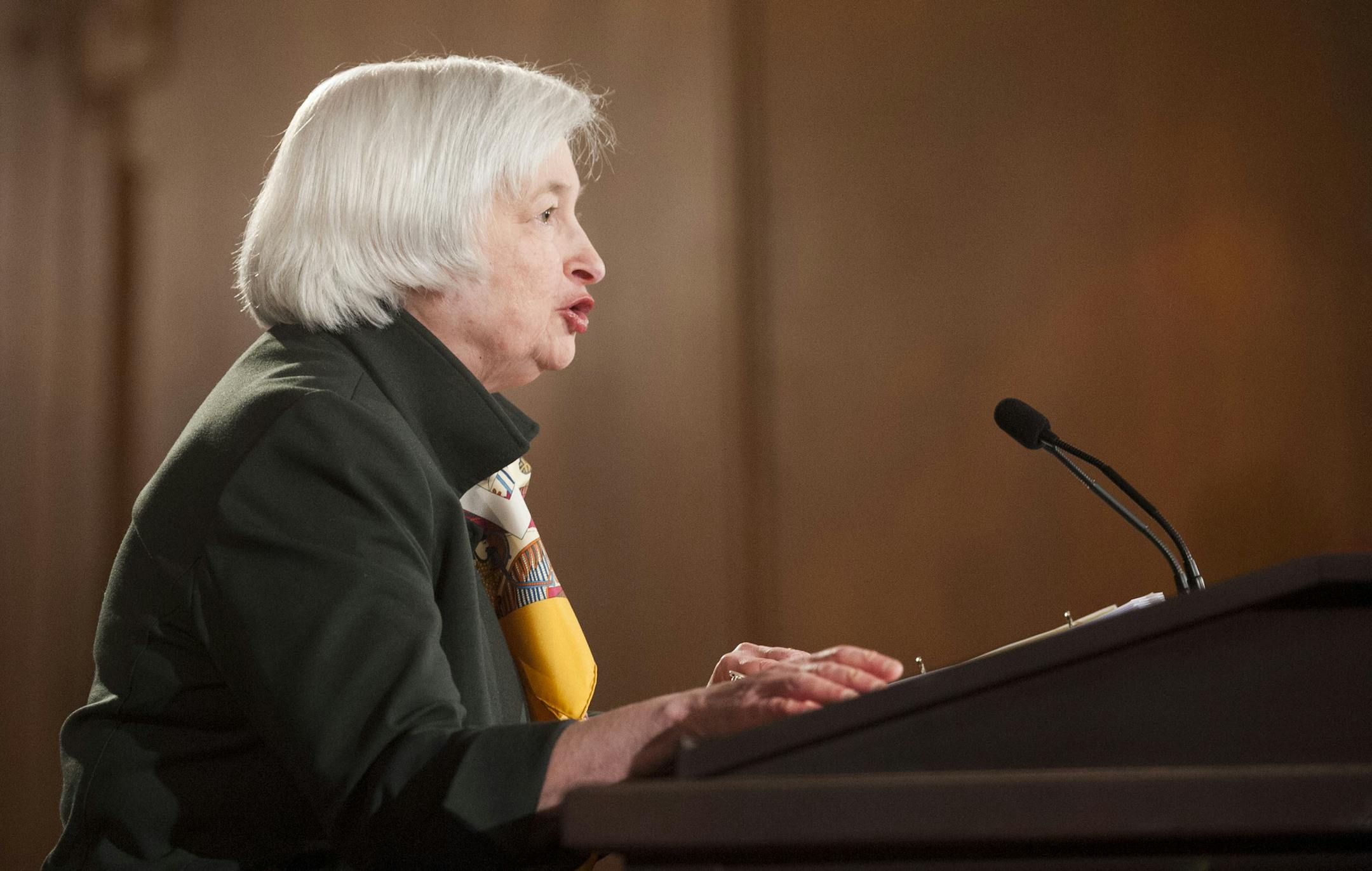
The Federal Reserve said it would definitely not act on rates in April and might wait until later in the year. "Just because we removed the word patient from the statement does not mean we are going to be impatient," Federal Reserve Chairwoman Janet Yellen said in a news conference.
U.S. markets, which had been down early in the day, greeted that as good news, and stock and bond prices climbed sharply after the announcement.
Ever since the financial crisis hit, the Fed has tried to resuscitate the economy by keeping the federal funds rate between zero and a quarter of a percentage point, the longest period of such low rates for more than half a century.
Through that and its program of buying bonds and mortgage securities, the Fed has helped lower interest rates for millions of car buyers, homeowners and businesses. The cost of paying interest on household debt is now lower than any time at least since 1980. Much of that debt is locked in at long-term rates that may not fluctuate much when the Fed raises rates.
But now Yellen and other Fed officials have been saying they want to start moving rates back to "normal" levels, which they say estimate would be between 3.5 and 4 percent. How businesses and individuals will adjust is difficult to predict.