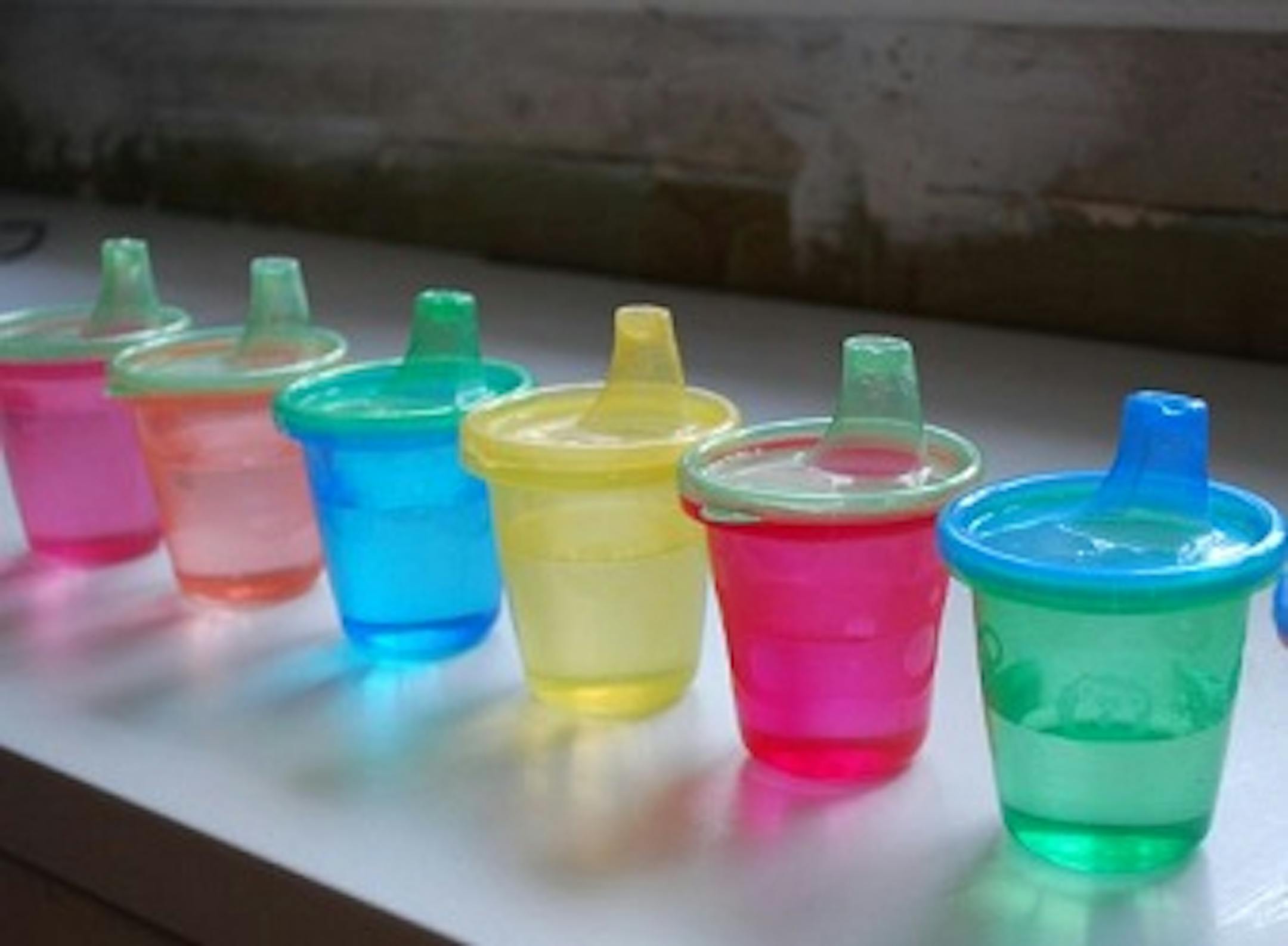
No longer will parents wonder if the bottles and sippy cups their precious little ones suck and slurp all day are wreaking havoc on their children's developing reproductive systems.
The FDA settled the matter in last week's announcement that U.S. manufacturers of such products may no longer use polycarbonate resins containing bisphenol-A (BPA), which some research indicates may disrupt development of reproductive and nervous systems in babies and children. The FDA issued the ban in response to the American Chemistry Council's petition that sought the ban because manufacturers had "intentionally and permanently abandoned" BPA's use.
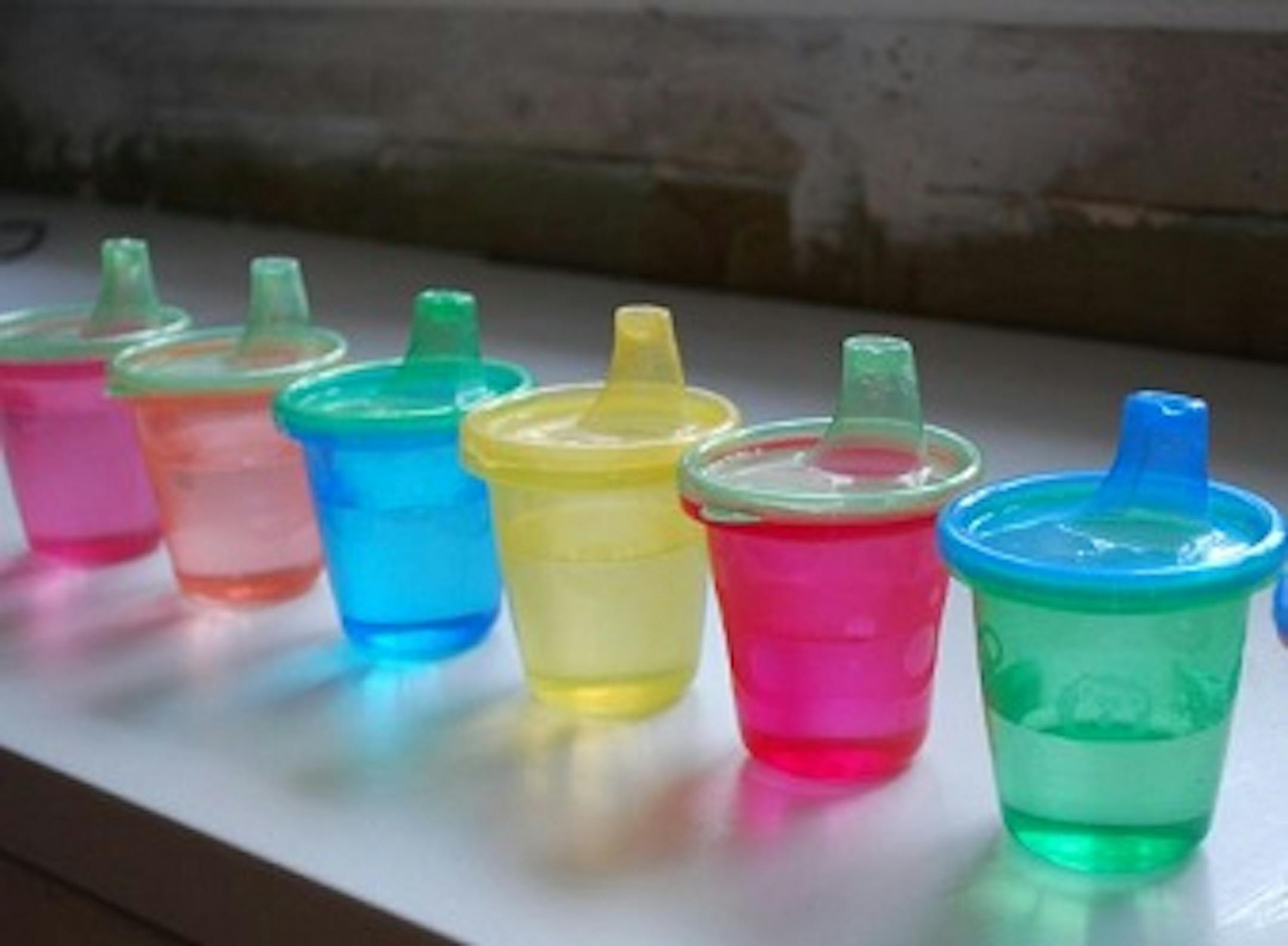
For baby bottles and sippy cups, parents technically haven't had to worry safety for years, beginning when manufacturers agreed to stop using BPA at the behest of the attorneys general of Connecticut, Delaware and New Jersey in October 2008.
What's in it for consumers? The FDA's decision is viewed by many as symbolic and expected to have little impact on the marketplace and consumers.
What's in it for the BPA industry? The bigger, more subtle impact may be seen by chemical manufacturers who hope the ban will limit the collateral damage that has come to BPA with the negative publicity associated with baby bottles and sippy cups.
BPA by the billions. Every year, 2 billion pounds of BPA are manufactured/imported in U.S., and 1 million pounds are released into the environment. BPA is used in manufacturing polycarbonate plastics and epoxy resins, and nearly every industry in the United States uses it.
People are believed to be exposed primarily through food packaging, which only accounts for less than 5% of total BPA production. According to the Environmental Protection Agency, BPA is a reproductive, developmental and systemic toxicant, and as such there are questions and concerns about potential effects even at low doses or concentrations.
Little change for consumers. The new rule will not necessarily improve safety or impact consumer buying habits for these products. BPA will remain in other food contact materials because the agency supports the safety of BPA for products that hold food. While some see this as a positive step, the basis for the ban was abandoned use, not safety.