

Minnesota Public Radio wanted to know why the government was holding up its license renewal for its flagship news station KNOW. The answer was surprising: A listener thought someone uttered the F-bomb on the air.
It turns out the listener misheard the word "flunked," which was broadcast on Terry Gross's Fresh Air in 2010, but the complaint to the Federal Communications Commission delayed the license until September 2013.
The FCC enforces federal laws against indecency, vulgarity and obscenity on broadcast TV and radio, and can issue big fines to companies that show "sexual or excretory organs" or air "profane speech." These days, when pornography and foul language are a click away on your cable remote or your smartphone, the FCC is still policing the public airwaves for swear words and glimpses of breasts and buttocks.
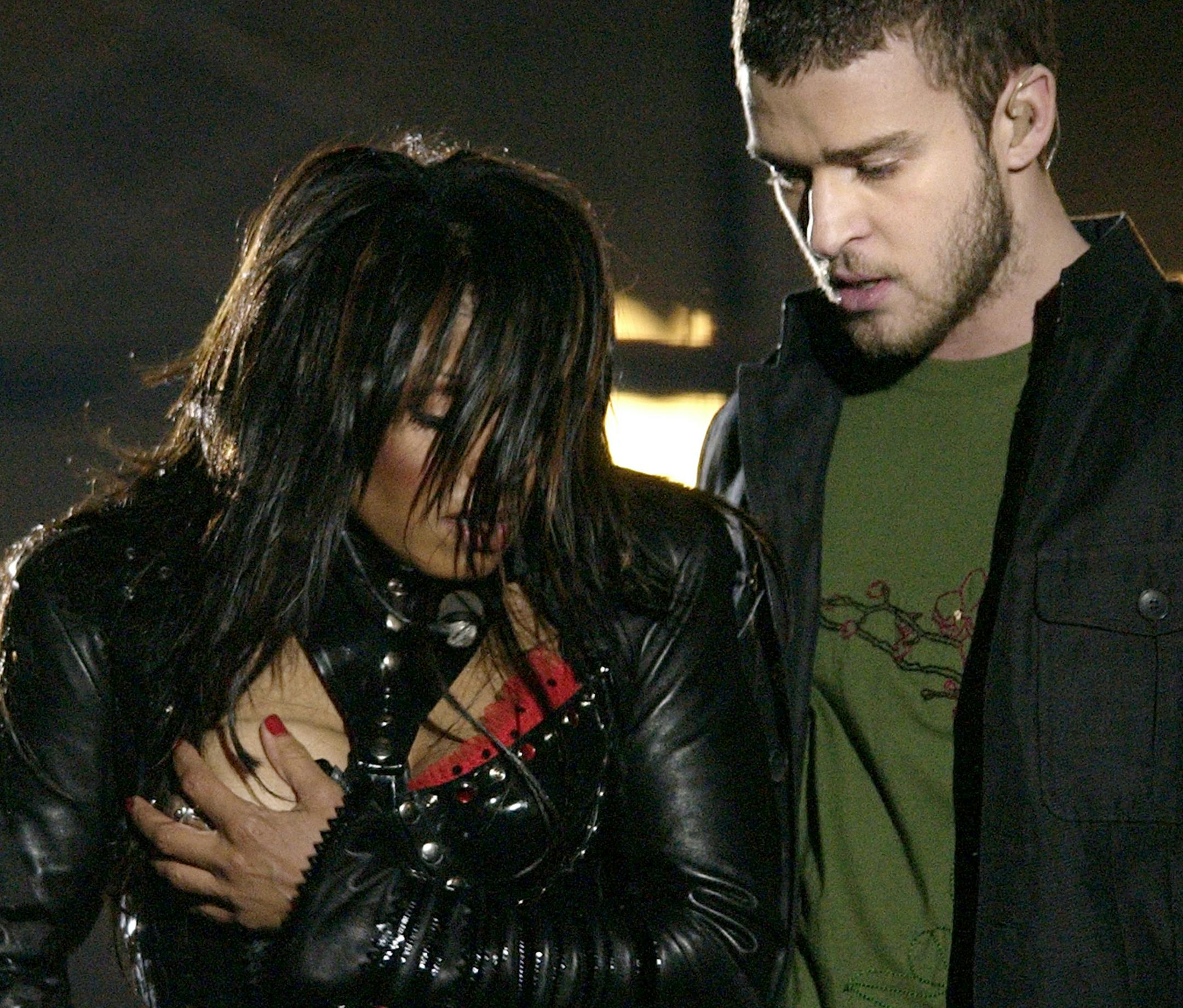
Federal courts eventually threw out the $500,000 in fines issued after Janet Jackson's 2004 Super Bowl wardrobe malfunction, ruling that the FCC wasn't consistently enforcing these kinds of "fleeting" violations. Yet the brief reveal on TV's biggest night resulted in thousands of complaints to the FCC and put pressure on the agency ever since to punish even momentary lapses.
The Janet Jackson episode was a "bellwether. It really shook people," said Tim Winter, president of the Parents Television Council, a watchdog of violent, obscene and other objectionable content. The group's membership soared, and Winter was invited to the White House in 2006 for the signing of a bipartisan bill to stiffen the penalties for violating obscenity and indecency restrictions.
"You're using the publicly owned airwaves to deliver your product for free to every home in the nation, and the only content regulation is that you have to wait till 10 o'clock to use the F-word and show nudity," Winter said. "That seems like a fair trade-off to me."
Broadcasters have pushed back, arguing that they lived in fear of being punished for blurted expletives and other inadvertent violations.
In 2013, the FCC proposed a change to its enforcement policy that it said would focus on more egregious cases. In a July 2013 letter to the FCC, MPR cited the profanity debacle in arguing for a higher bar for enforcement: "The KNOW license has now been in limbo for three years due to the misinterpretation/hypersensitivity of a listener, the backlog at the Commission, and the Commission's inability and failure to quickly dispense with such complaints."


