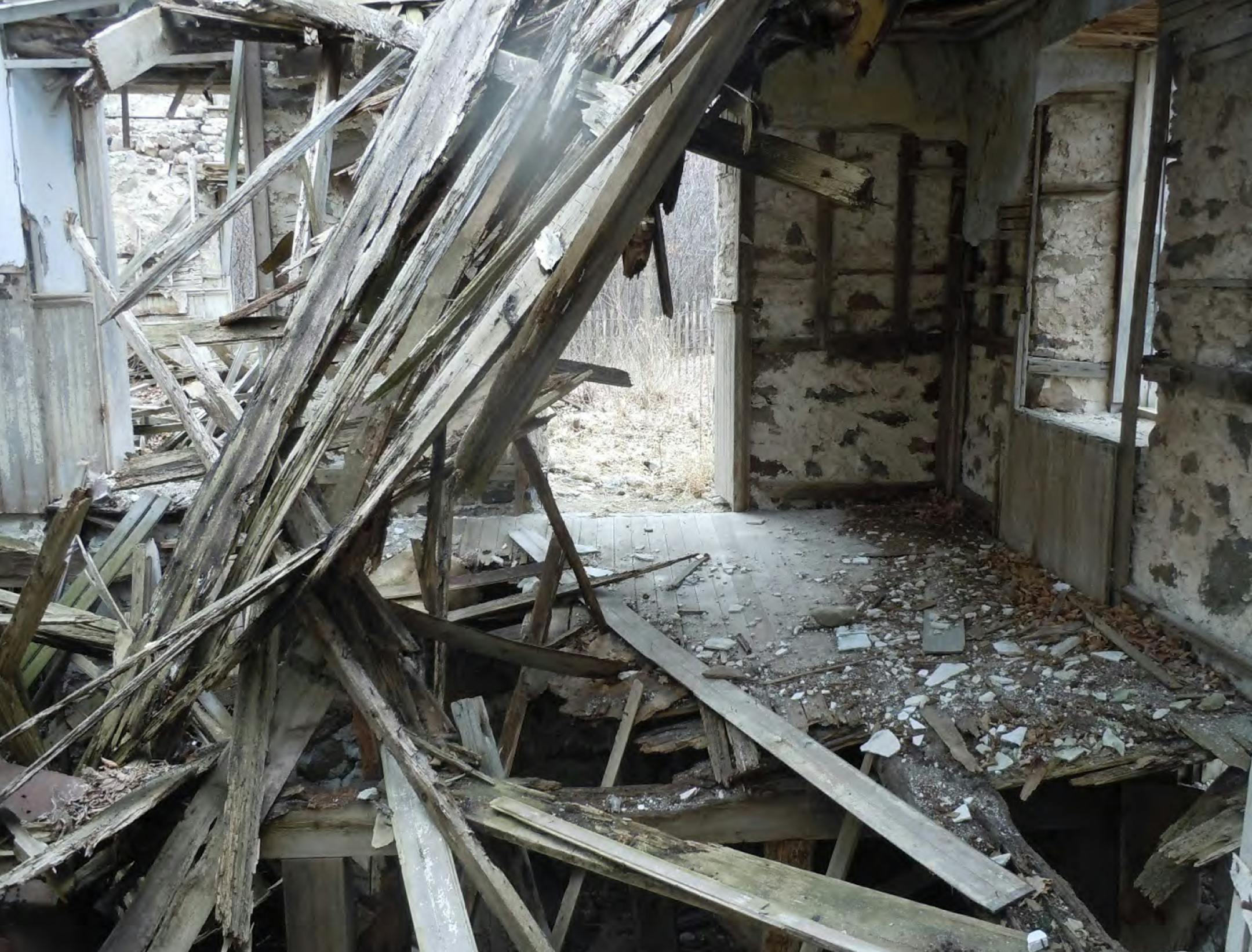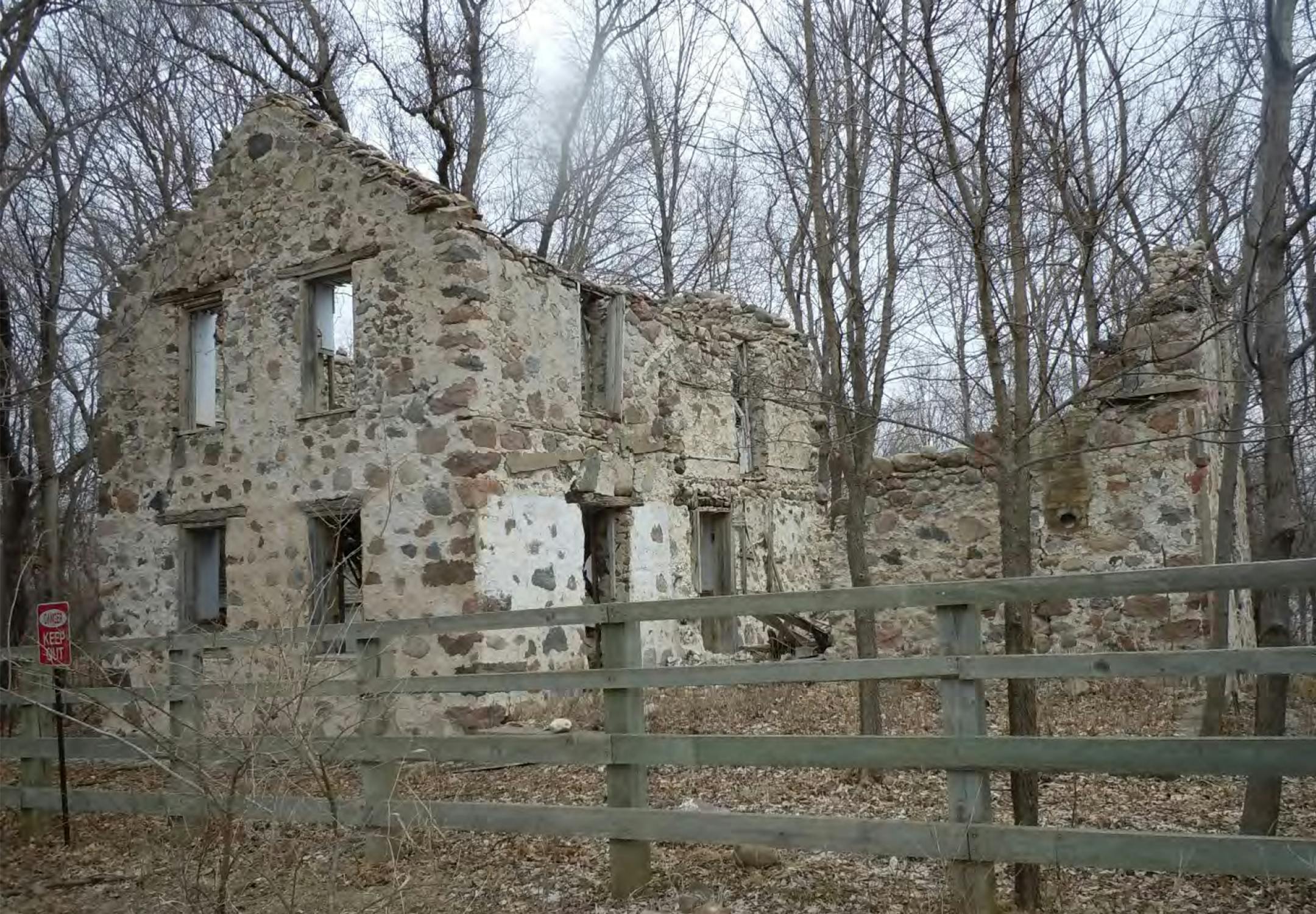
The remnant of an 1870s-era farmstead near Lake Minnetonka is about to enter the next phase of a journey its owners hope will lead to its preservation for visitors in years to come.
The Minnesota Historical Society's State Review Board next week will consider the Schmid Farmhouse Ruins in Lake Minnetonka Regional Park for nomination to the National Register of Historic Places.
The effort is being led by the Three Rivers Park District, which owns the ruins of the fieldstone farmhouse built for German immigrant Joseph Schmid and his family almost 140 years ago.
The property in Minnetrista has a long and colorful history. Before Three Rivers acquired it in the mid-1990s, it was part of the private estate of wrestling legend Verne Gagne. Before that, a section of the original farm was owned by a member of the Loring family, the namesake of Minneapolis' Loring Park.
But historians' interest in the farmstead goes to its origins, when Schmid arrived in Minnesota in 1853. Long before it was filled with summer homes and resorts for Minneapolis' wealthy families, the area around Lake Minnetonka was a bustling farming community, mostly for German-Americans.
The land where the house sits was bought in 1856 by Joseph Schmid's brother, Benedict, and deeded over to Joseph in 1862. The brothers left the farm to fight in the Civil War as part of the Second Minnesota Volunteer Infantry Regiment, serving under Gen. William Tecumseh Sherman in what's known as Sherman's March to the Sea from Atlanta to Savannah, Ga.
The stone farmhouse was built in 1876, replacing an earlier log farmhouse occupied by the Schmid family.
The original farm had 156 acres for livestock as well as fields for corn, wheat and potatoes. The Schmids began selling off the land in pieces at the turn of the century, with the last 80 acres passing to dairy farm operator Albert Loring in 1905. The house was rented out from time to time during the early 1900s and has been vacant since 1948.