

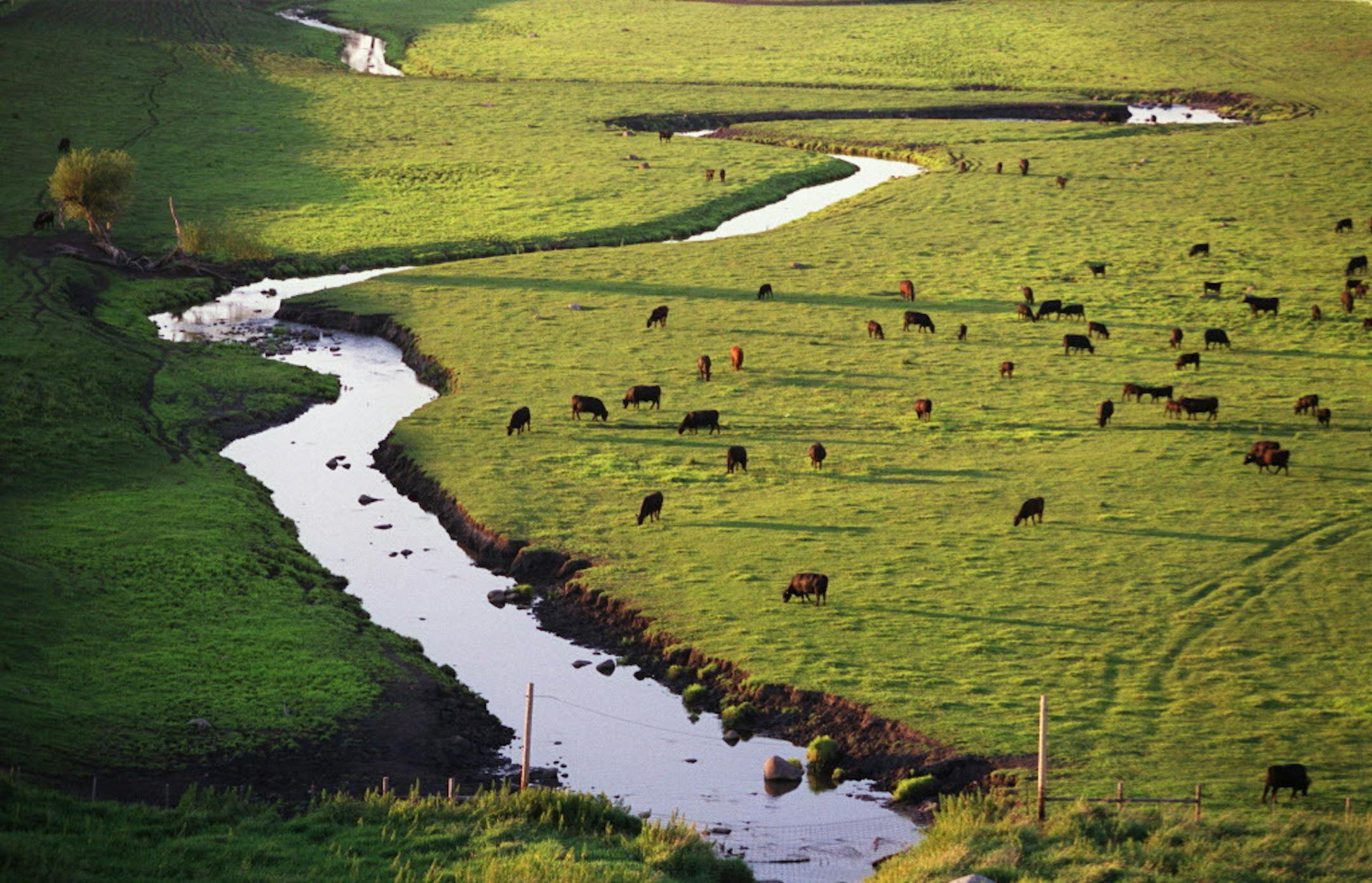
In January, Minnesota's top agriculture and environmental leaders gathered at a triumphant news conference to announce a $9 million federal grant for a novel project to help farmers protect streams and rivers from the chemicals that come off their land.
A one-year trial had been a resounding success, Agriculture Commissioner Dave Frederickson announced. The federal money, combined with another $11 million from the state, would finance a full-scale launch. It would make Minnesota a national leader in showing how farmers will step up to solve one of the country's most grievous environmental problems — agricultural water pollution.
But a growing chorus of critics is saying not so fast. Some say the project won't do enough to protect the water and that its effectiveness can't be measured. Others say it's not ready for prime time because its success with farmers so far has been spotty.
The surprisingly sharp discord that has erupted around the Water Quality Certification Program reflects a growing urgency about the best way to use $110 million a year in Legacy funding devoted to clean water. Even though the Legacy Amendment has 20 years of life left, many fear that Minnesota is running out of time to reverse a landscape-sized problem that was decades in the making.
And this particular investment "falls short of its promotion," said Steve Morse, executive director of the Minnesota Environmental Partnership, which lobbies on behalf of environmental groups. In a state where chemically intensive agriculture occupies about half the land, the effort is a waste of money because it can never achieve "the scale needed to correct the problem," he said.
Officials from the Minnesota Department of Agriculture say the program is a major step in on-farm conservation and water protection. It is unique because it uses a simple score to grade each farm as whole, and provides expert technical advice to help farmers design water-protection plans specific to each field.
Widespread resistance
Nothing will ever eliminate all agricultural water pollution, said assistant Agriculture Commissioner Matt Wohlman, "but I think we will see measurable results here in Minnesota."
But resistance to the effort is broad. In December, the state's Clean Water Council, which oversees Legacy money for clean water, refused to recommend the proposed increase in funding. Environmental groups are rallying against more taxpayer investment in a project without proven results. Now some key Republican legislators may put the brakes on.


