If you're curious about where Robert Lepage's "887" began, this is important: He knows all the lyrics to the theme song of "Gilligan's Island," a 1960s sitcom he hasn't seen in years, but not the names of people he just met or, sometimes, his own cellphone number.
"Why do we remember stuff from when we were 5 years old but not important facts that are more recent?" asks the Canadian actor/director/playwright, whose own earliest memory is visiting a cliffside park when he was about 3, after his family moved to Quebec City.
"You see it incarnated in the show," says Lepage, who will perform the solo piece at Walker Art Center in Minneapolis April 4-7. "My father was in the Canadian Navy and he had been dispatched to Nova Scotia, in the Maritimes. So I remember very well when we moved back to Quebec City."
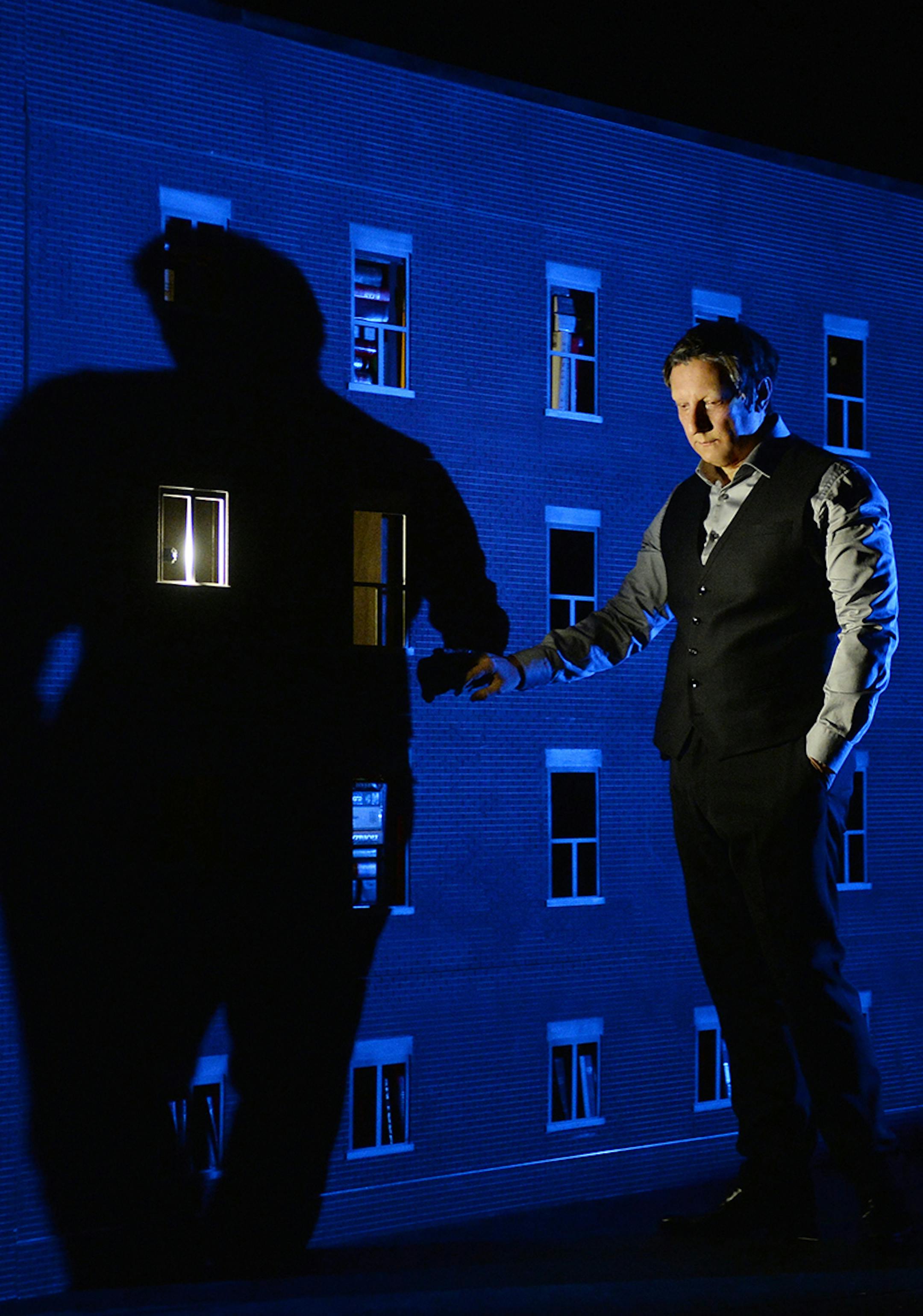
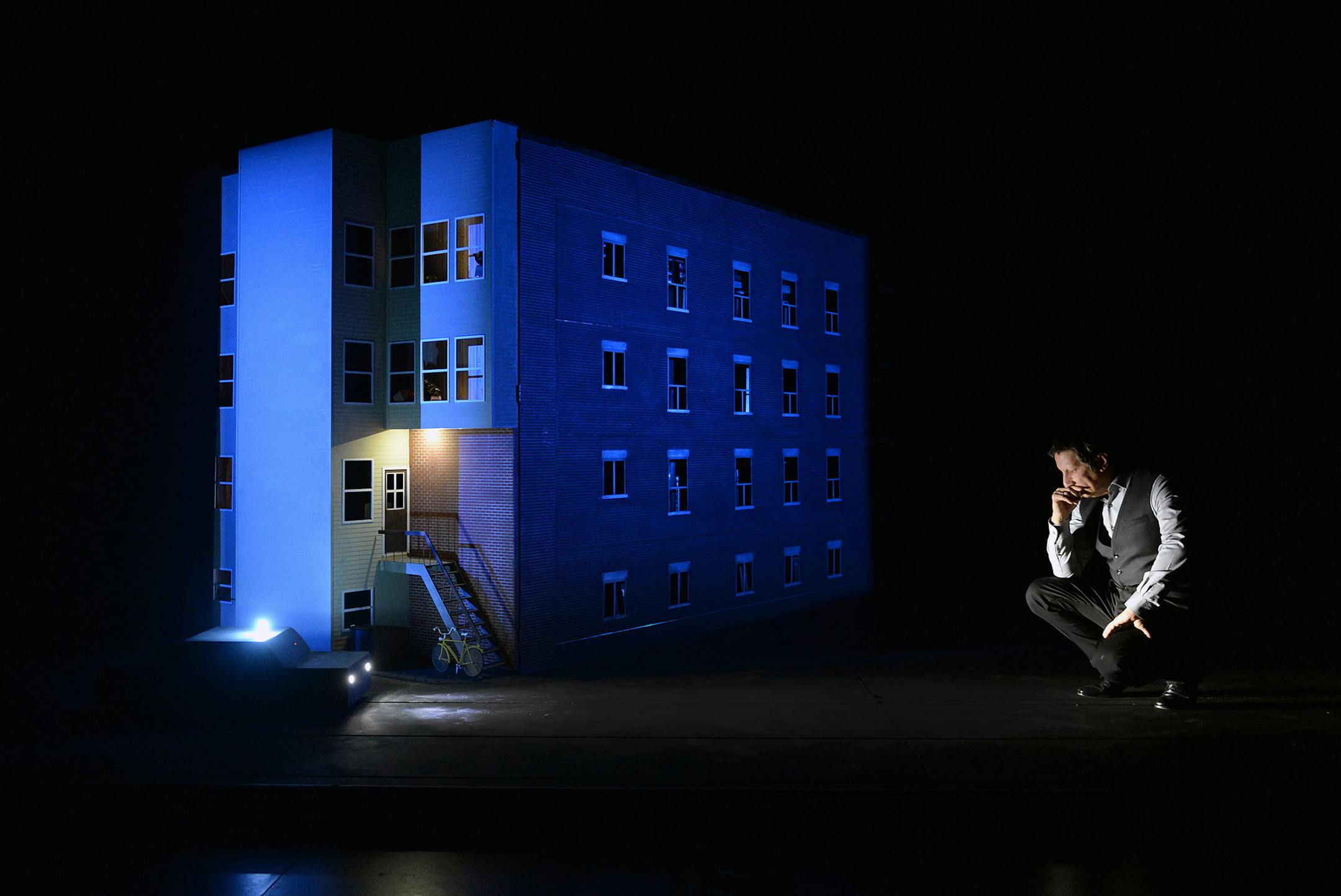
Memory is the theme of "887," which takes its title from the apartment building at 887 Avenue Murray where Lepage, now 60, lived with his family from 1960-70. That building appears on stage as an enormous dollhouse-like structure that Lepage peers into, pulls apart and magically transforms as he tries to get to the bottom of why we remember the things we remember, and whether we really do.
Internationally heralded for using technology to stretch the boundaries of theater, Lepage is the first to admit he's unsure of his own memories. Chats with his sister revealed that they recalled the events of their childhood very differently, and researching "887" blasted Lepage's perception of his parents.
"I freaked out at one point," he said. "I was brought up by a father and mother who were radically different. My mother was funny and a storyteller, so I've always been a mommy's boy and I thought I inherited everything I do from her. My father was less talkative, working all the time, didn't see him that much at home. I thought I hadn't inherited much from him but, when I went down memory lane with this show and I bumped into all of these stories, I started to realize I am much more like my father than my mother."
Lepage jokes that as "an aging actor," memory now preoccupies him more than ever, but he has always been fascinated by it as a building block of theater. Something as crucial to the art form as the publication of Shakespeare's First Folio, for instance, was only possible because actors and stage managers helped reconstruct the plays, based on their memories of performing them.
Touring "887" internationally has only reinforced the connection between theater and memory. In Barcelona, Lepage learned that for years it was difficult for companies to perform classic works because there were no actors old enough to play characters such as King Lear. During the Federico Franco regime, those actors either fled the country, left the profession or, in some cases, were killed.