

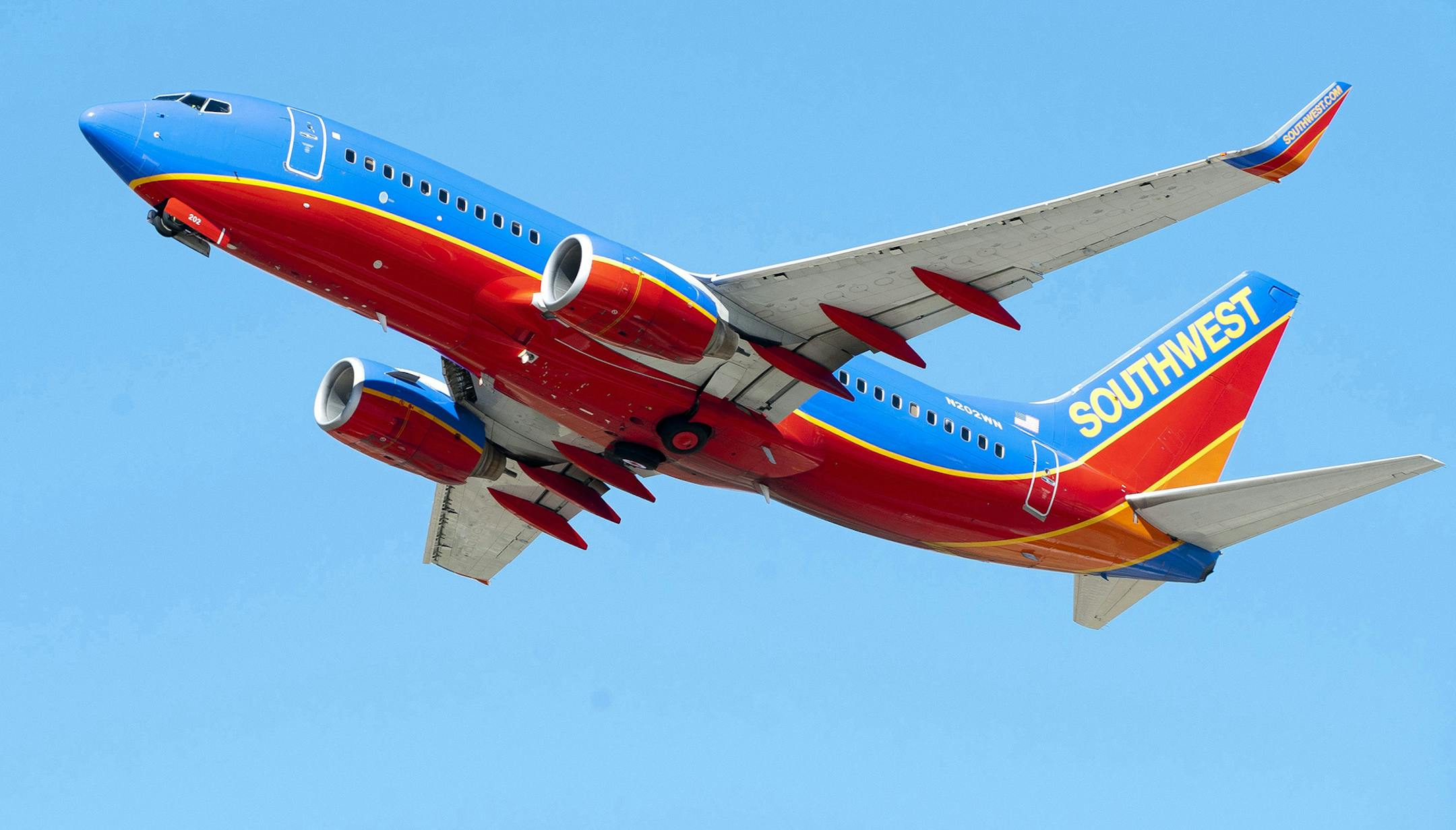
U.S. aviation regulators are increasingly convinced they don't need to mandate new simulator training for pilots of Boeing's 737 Max before returning the grounded jet to service, according to people familiar with the discussions.
Pilots would be required instead to take a computer-based training course they could perform at home or in a classroom, according to the people, who weren't authorized to speak about the matter and asked not to be identified. More extensive simulator-based training for all 737 Max pilots may be required in the months after flights resume, the people said.
Such a decision would help streamline the return of the plane involved in two fatal crashes and mired in multiple investigations and spare airlines millions of dollars in costs. But it would run contrary to demands by relatives of the victims and some pilots such as Chesley "Sully" Sullenberger, who crash-landed an airliner in New York's Hudson River in 2009, and may make it harder to reassure a skeptical public of the plane's safety.
The Federal Aviation Administration hasn't concluded its reviews of Boeing's proposed software changes to the plane and current thinking could change, according to the people familiar with the discussions. An FAA advisory panel, which issued a preliminary finding in April that simulator training wasn't necessary to return the plane to service, is reviewing public comments and also hasn't reached a final opinion.
Training for Boeing's bestselling jet has been controversial since the first crash, of a Lion Air flight that had just taken off from Jakarta on Oct. 29. An Ethiopian Airlines jet crashed near Addis Ababa on March 10 under similar circumstances, leading to a worldwide grounding of the plane.
In both cases, a safety feature on the planes malfunctioned and repeatedly attempted to push the plane into a dive until pilots lost control. Known as the Maneuvering Characteristics Augmentation System, it operated in the background and pilots hadn't been told it existed. After the Indonesia crash, pilot unions in the U.S. and elsewhere were furious they didn't know about it.
Another point of contention was over Boeing's 2017 decision, approved by the FAA, that airline crews flying the previous version of 737s known as Next Generation models didn't need expensive and time-consuming simulator training before transitioning to the Max because of similarities between the two models. Lawmakers in Washington have grilled FAA officials about that decision.
An Aug. 6 letter signed by several dozen relatives of victims of the Ethiopian Airlines crash called on Transportation Secretary Elaine Chao to mandate simulator training before allowing the 737 Max planes back in the sky.


