Any spring or summer trip to Holland is a visual party, but this year promises something extra.
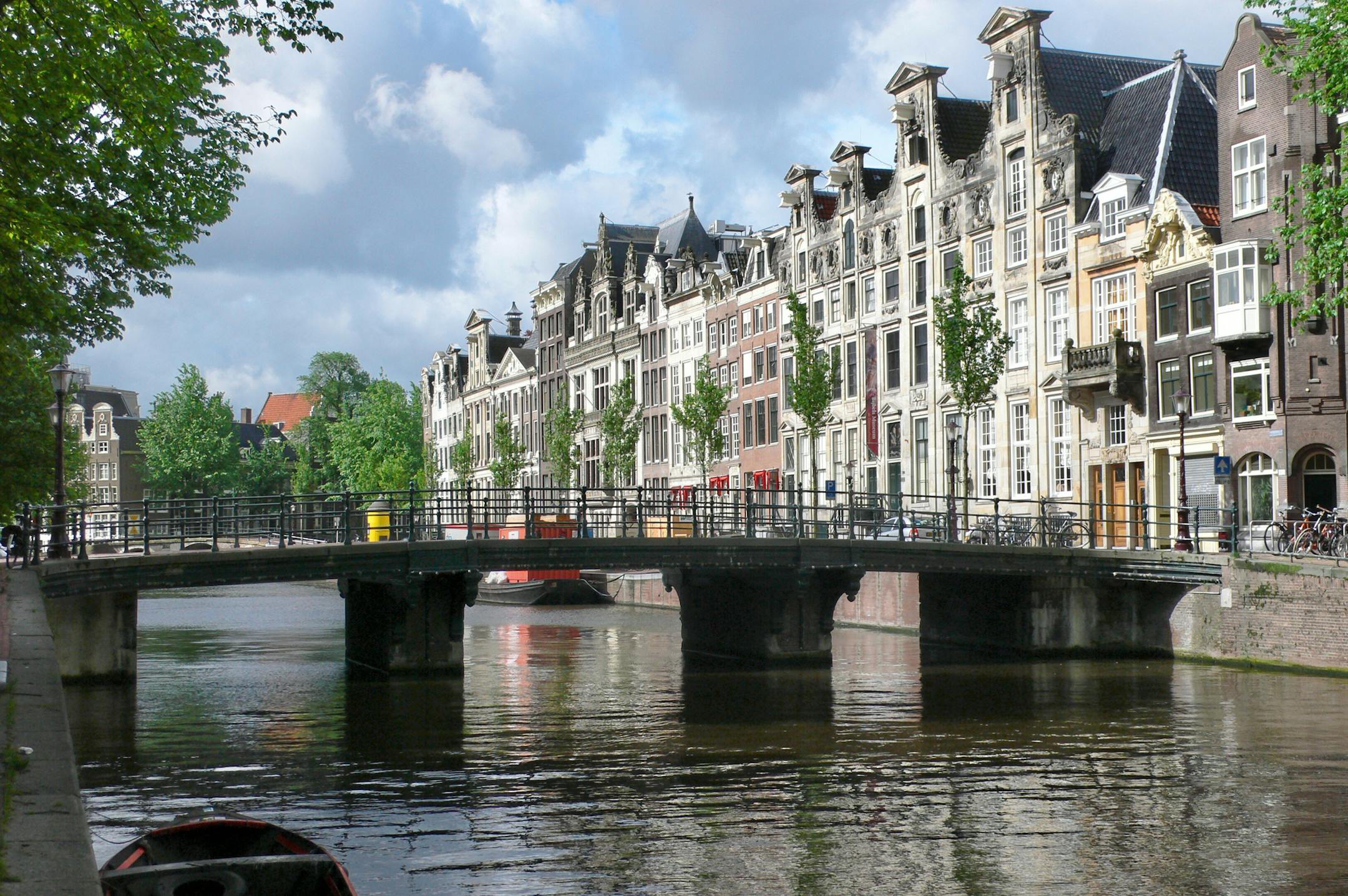
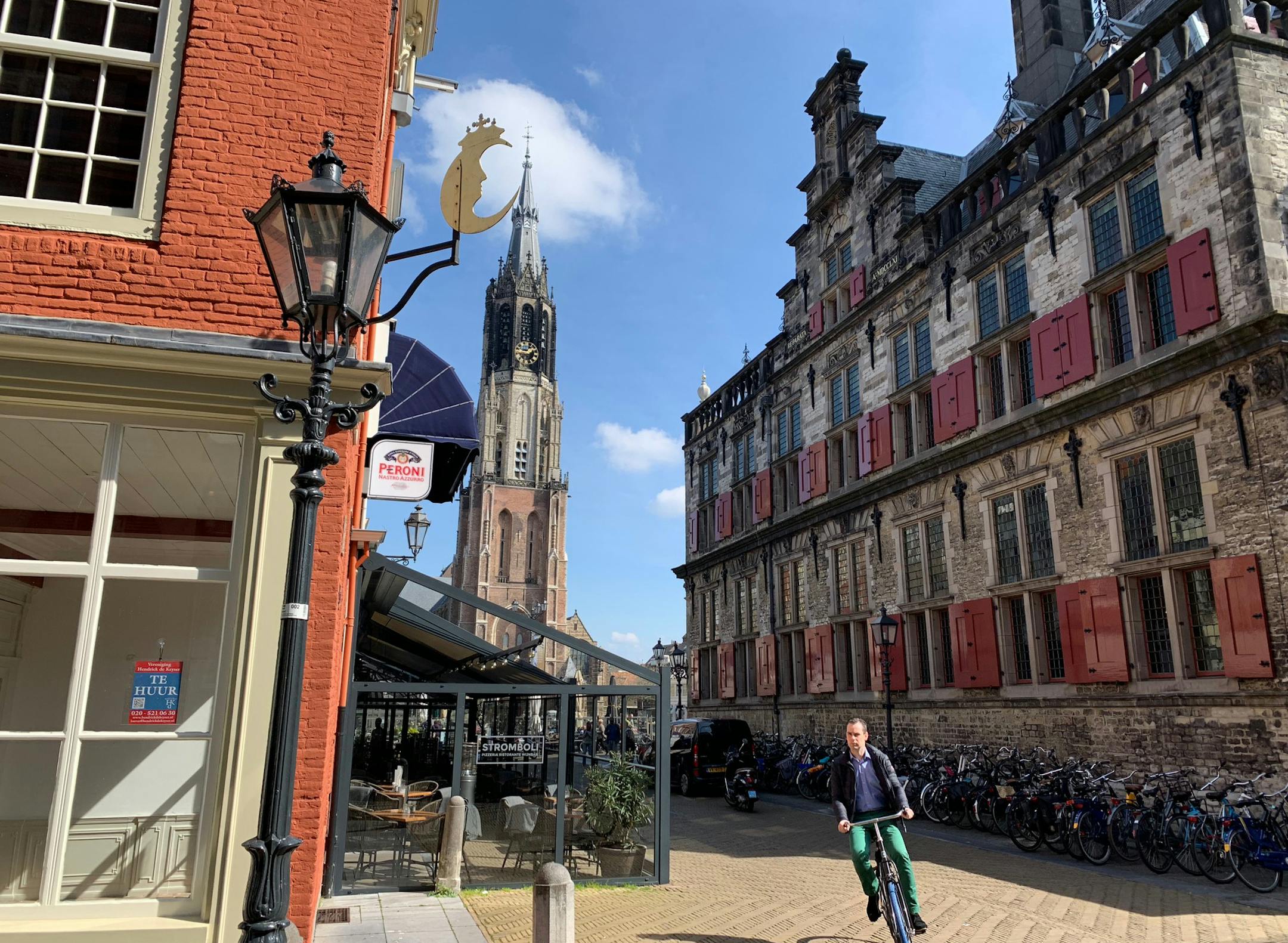
The tulips will be blooming, sprouting in long sheets of color that skim the low-hanging horizon, of course. The Dutch will be sailing past on their bikes, straight-backed and elegant, with babies and dogs bumping along in baskets up front. And the canalboats will be floating under humpbacked bridges. That's all a given. But now the country is adding a full complement of art premieres that inscribes all that beauty and helps rebrand the Netherlands as one of Europe's great cultural hubs.
Thank Rembrandt for the added gift. This year marks the 350th anniversary of his death, and the Dutch aren't going to let you forget it. Just about every major museum in Holland is featuring a Rembrandt-related exhibit, and the result is an art show rolling out in successive waves throughout the year.
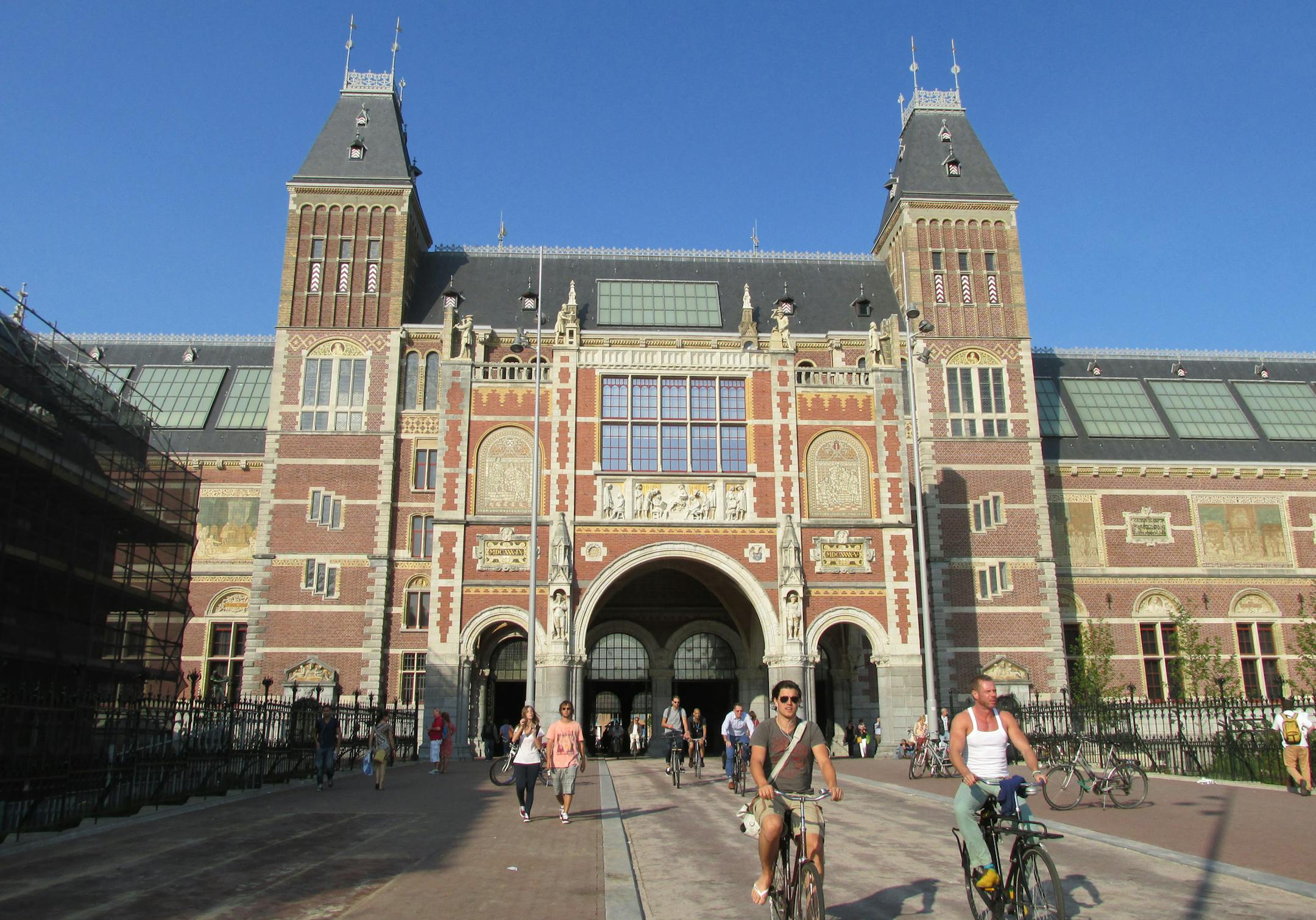
Start in Amsterdam. The Rijksmuseum, as the Netherlands' premier gallery, isn't content to flaunt its usual powerhouse paintings by the master. Its current exhibit, aptly titled "All the Rembrandts," showcases for the first time every last Rembrandt painting, drawing and etching in its voluminous collection and makes a case for the less familiar works. It runs until June 10.
The exhibit smartly starts off not with the well-known canvases, but with the early self-portrait etchings that reveal a wunderkind at work, learning to capture any mood. Variously laughing, pouting, angry and surprised — and literally trying on different hats, from velvet berets to feathered caps and Orientalist turbans — Rembrandt is a veritable 17th-century Cindy Sherman, tracing a whole world of humanity in his own concentrated gaze. The dizzying range, locating the universal in the individual and vice versa, ends up being as flamboyant a display of artistry as the big masterworks that come later in the show. These include his mammoth "The Night Watch" and the exquisite "Portrait of a Woman, Possibly Maria Trip."
As the exhibit flows from the many faces of Rembrandt to the many faces of Amsterdam itself — his egalitarian portraits of burghers, preachers, Jews, brewers, philosophers, actors and grande dames — it demonstrates why the painter was so ahead of his time, and in some ways the progressive, tolerant soul of Holland itself. In a tradition-bound age when other European painters were still churning out stiff paintings of kings, queens and minor saints, Rembrandt was an all-embracing humanist, capturing a collective portrait of a radically democratic, tolerant city, caught in the glow of its Golden Age.
A European cultural capital
The point isn't lost on the Dutch. The Rembrandt celebrations are as much a salute to Amsterdam's Golden Age as its favorite son of a painter, and the anniversary offers fuel to an increasingly urgent push. Trying to stem the flow of partyers drawn to the city's libertine reputation — as the toked-up capital of hookers and dope — Amsterdam has been working to reclaim its justified reputation as one of Europe's great cultural capitals. And while its attempts to gentrify the red light district and redirect the tourists' gaze haven't yet stemmed the surge of weekend club kids, this year's big Golden Age fiesta is a strong reminder that the artistic city Rembrandt captured is still very much alive.
The Rijksmuseum — which will continue its celebrations with an exhibit of 17th-century Spanish and Dutch master painters this fall, titled "Rembrandt-Velazquez" — isn't the only cultural player in town. The Van Gogh Museum is exhibiting its own powerhouse show, pairing Van Gogh and David Hockney landscapes. The juxtaposition demonstrates that Van Gogh, like Rembrandt, was another Dutchman far ahead of his time and emblematic of the country's own progressive spirit. In fact, his raw, haunted landscapes read as more contemporary than Hockney's relatively tame Yorkshire scenes.