

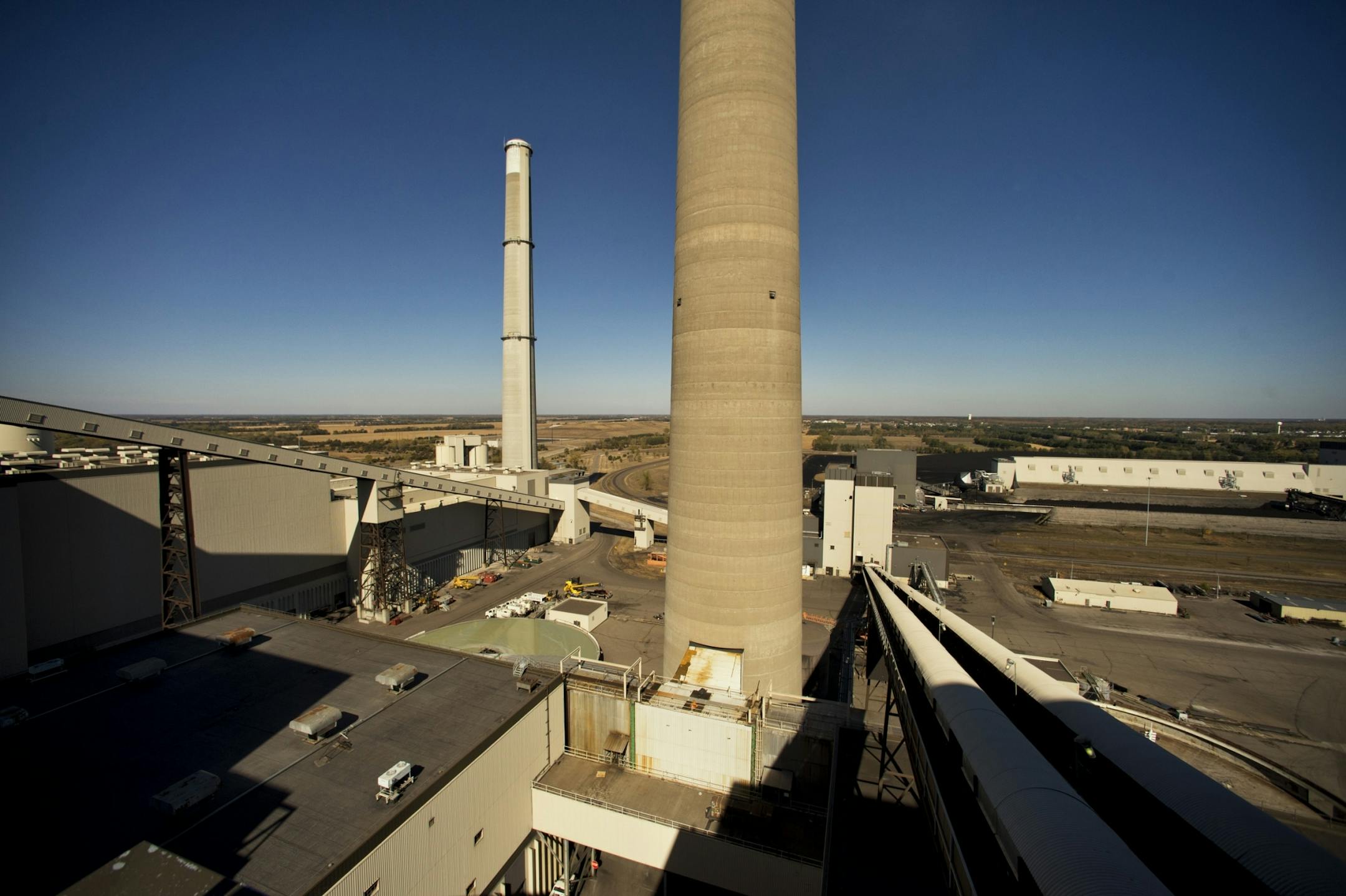
The end of coal burning is coming to a dozen Minnesota electric generators. But it will hardly put a dent in the state's greenhouse gas emissions, a Star Tribune analysis shows.
Over the past year, utilities in Minnesota have announced that 12 coal burners are being retired or switched to burn natural gas, mostly by 2016.
They are small, older units, some of them little used and uneconomical, and account for just 3 percent of the state's emissions of carbon dioxide, a gas linked to global warming.
"It's not going to be the silver bullet for addressing greenhouse gas emissions," said David Thornton, an assistant commissioner for air policy and pollution for the Minnesota Pollution Control Agency.
Electricity generation contributes nearly a third of the state's greenhouse gases because many power plants rely on fossil fuels, mainly coal and increasingly natural gas.
When the smaller coal plants from Hoyt Lakes to Burnsville to Rochester are gone, Minnesota electric customers still will be getting a major share of their power from a fleet of larger, newer coal plants that utilities plan to keep operating.
The remaining 12 coal generators spew nearly six times more carbon dioxide than the small units slated to go away — about 17 percent of the state's overall greenhouse gas emissions, according to the newspaper's analysis of state smokestack data.
Utilities across the Midwest are considering pollution-control investments to extend the life of their big coal plants.


