Washington – Democrats swept the suburbs in state and local elections in two states last week, giving Minnesota DFLers hope that the same kind of electoral backlash will keep building against President Donald Trump and his agenda ahead of next year's congressional elections
Congressional seats across the state are up for grabs in 2018, from the open First District that runs across southern Minnesota to the battleground Eighth District in the northeastern part of the state. But it's the suburban swing districts south and west of the Twin Cities that are drawing some of the most intense national interest, and generating some of the most excitement among Democrats hoping to flip two prize Republican seats next year.
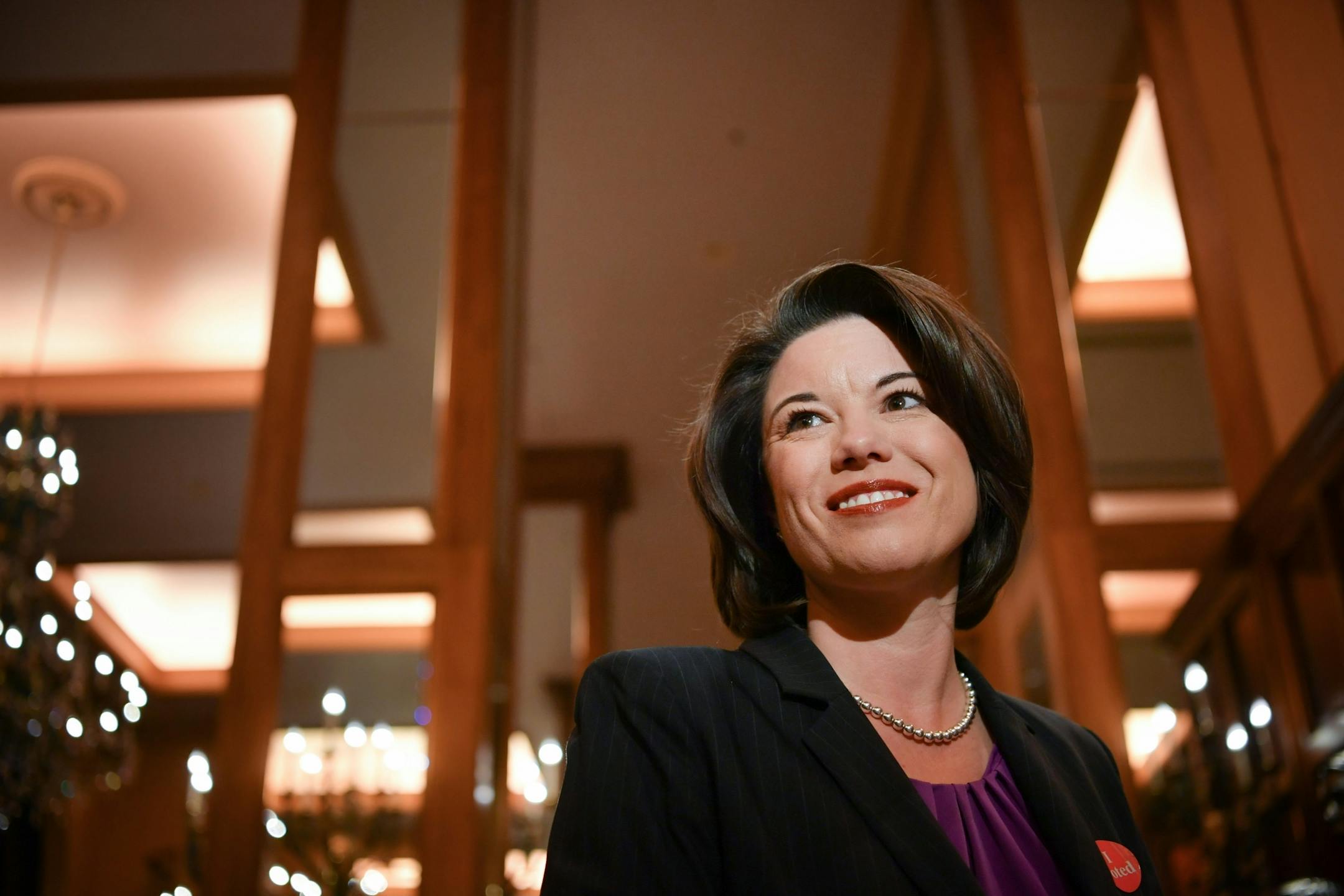
"Everywhere I go, there are 50, 100, 200 more people than I even knew existed in the last election cycle," said Angie Craig, a Democrat who lost one of the closest congressional races in the country to Republican Rep. Jason Lewis a year ago. The campaign trail she returned to this year, she said, is crowded with activists eager to turn their outrage at the president and his policies into action.
For Craig, the Nov. 7 results signaled a shift in the national mood and the political landscape — particularly in the suburbs. Again and again, Republican candidates got shellacked in suburban districts, pulling in lower vote totals than Trump did last November.
"What happened in New Jersey and Virginia, it shows that American voters aren't afraid to change course when something isn't working out for them," Craig said.
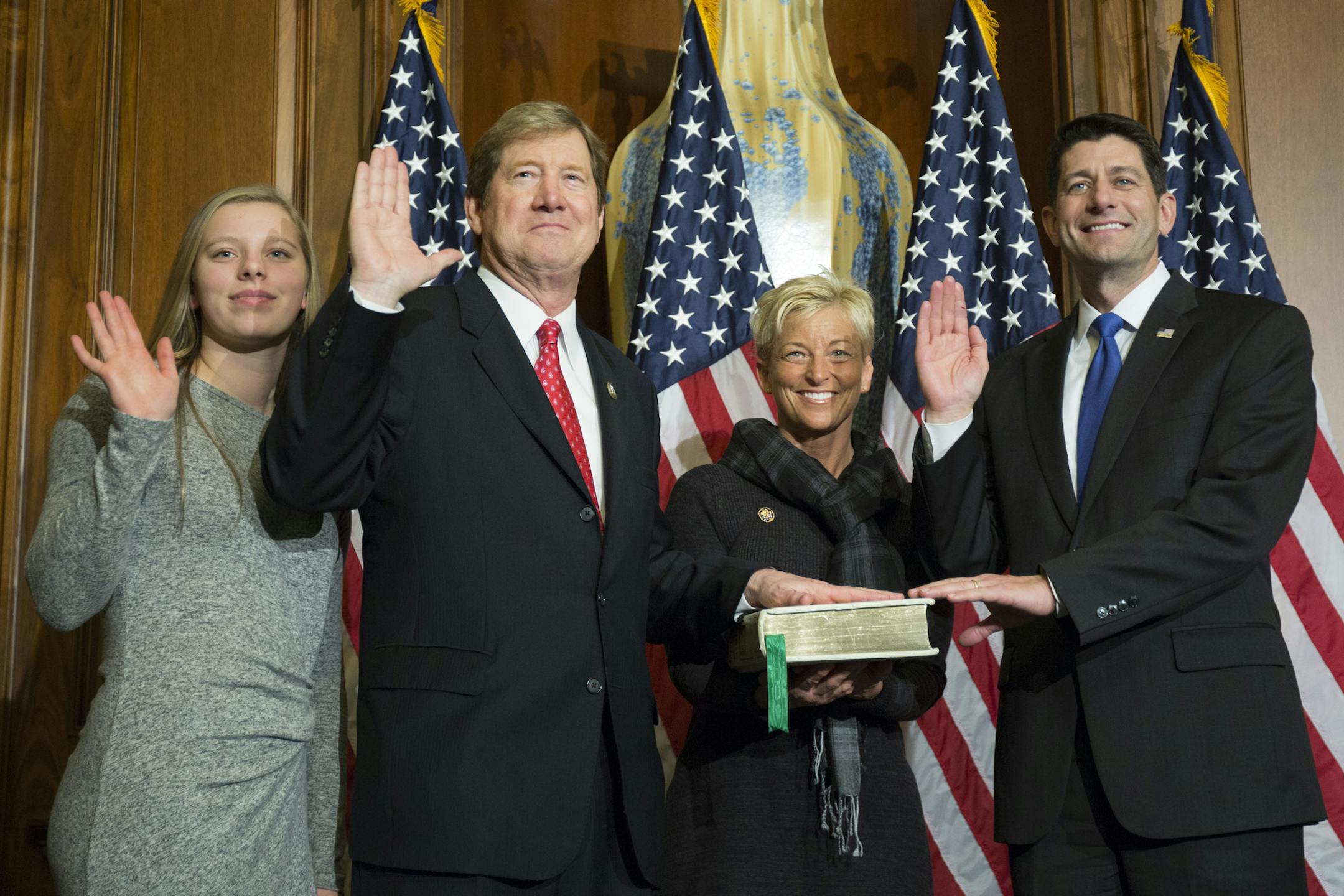
Lewis has represented the rolling hills, sprawling suburbs and red brick downtowns of the Second Congressional District for almost a year. Trump carried his district by a single percentage point — almost as narrow as the margin of victory between Lewis and Craig.
"It is a tough swing district, no question about it," said Lewis, who has shown up near the top of lists of the most vulnerable incumbents in the House nationwide.
Lewis, a former conservative talk radio host whose politics skew Libertarian, votes with the president most of the time, but has made a conscious effort to work across the aisle. Last week, Lewis and Rep. Bobby Scott, a liberal Democrat from Virginia, presented criminal justice reform legislation that would sharply reduce federal prison populations by focusing jail time on violent offenders, rather than offenses like drug crimes.