

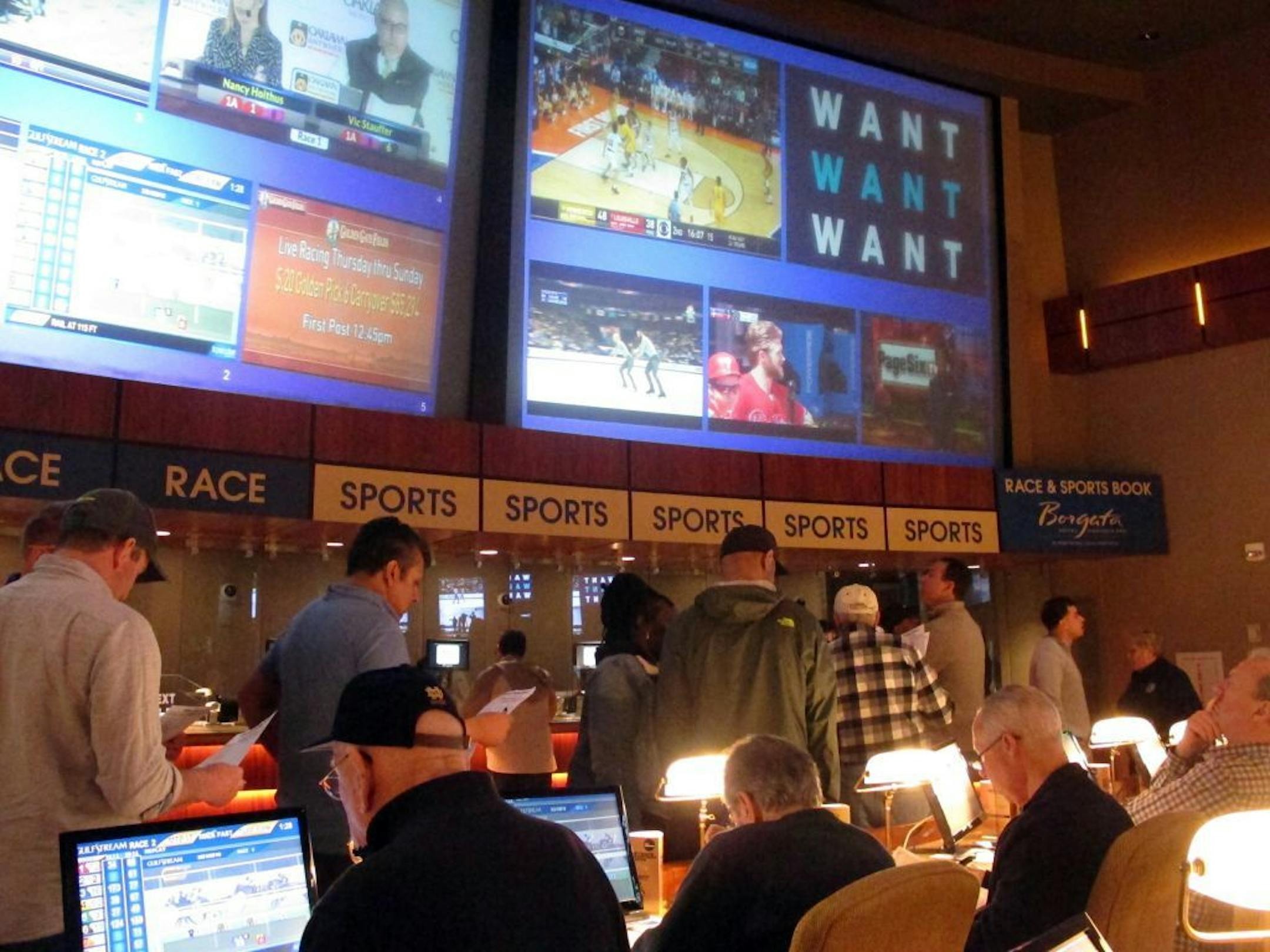
Welcome to March Madness, an annual rite of spring, where businesses decry the billions of dollars in lost productivity as workers cheer on their favorite college basketball teams and check their office pool instead of filing that overdue report.
But in an era of full employment and smartphone streaming, some employers are taking a different approach: Put the games on big screen TVs, serve up some pizza and embrace the Madness.
"Everybody is doing it — watching the games — and everybody is in a pool," said Tom Gimbel, founder and CEO of LaSalle Network, a Chicago-based staffing and recruiting firm. "The more the boss tries to hide it, the more people want it."
Celebrating the tournament — which culminates April 8 at U.S. Bank Stadium in Minneapolis — may be a long-term win for recruitment, but with more than 75 million employees spending 6.4 hours of work time watching basketball, it is projected to cost employers nearly $13.3 billion in lost productivity this year alone, according to Chicago-based outplacement firm Challenger, Gray & Christmas.
Productivity is not the only item in the March Madness cost-benefit analysis, however.
"It is an enormous cost, but at the end of the day, trying to ban March Madness activities from the workplace would cost employers far more in employee morale, camaraderie and culture, which is particularly important when the labor market is really tight and companies are fighting to retain and attract the best people," said Andrew Challenger, the outplacement firm's vice president.
Companies' willingness to embrace events like the Final Four is rising each year, said Marilyn Bird, the Chicago-based district president of staffing firm Robert Half.
LaSalle Network was an early adopter. It plays host to an annual March Madness office party on the first Friday of the tournament, inviting hundreds of clients and employees to don their favorite college sweatshirt and enjoy the games on 10 flat screen TVs, with a hot dog cart, kegs and other decidedly nonbusiness amenities on hand.


