

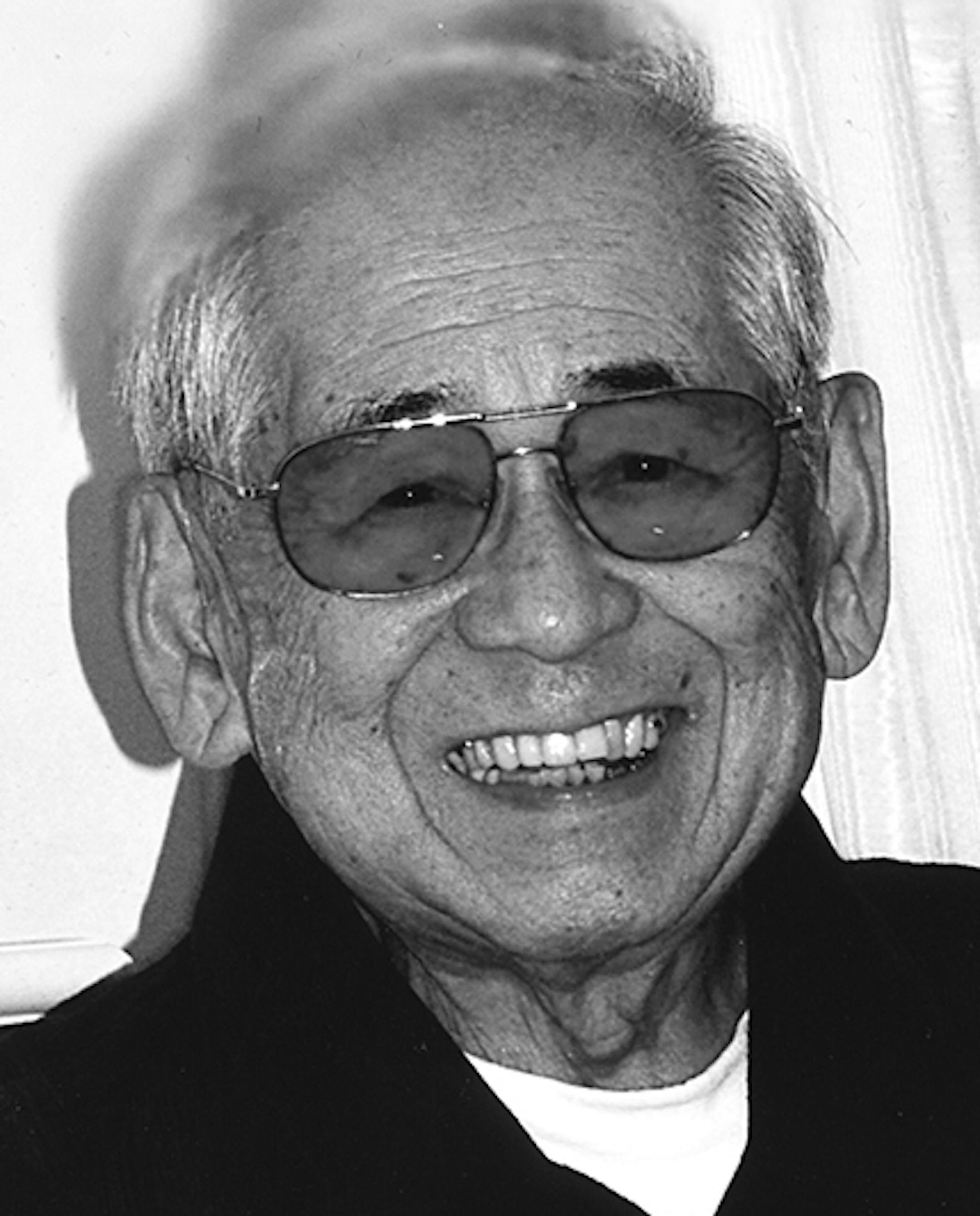
At barely 17, Edward Yoshikawa boarded a train without knowing the destination.
Japan's attack on Pearl Harbor had sparked a hysteria that forced his family and roughly 120,000 other Japanese-Americans into internment camps.
Three years later, a draft notice shipped him overseas to fight for a country that had imprisoned his own people.
"They were out to prove they were loyal citizens," said Pearl, his wife of 71 years. "They fought together to save America."
Yoshikawa, a decorated veteran from the 442nd Regimental Combat Team/100th Infantry Battalion, died April 7 at his Apple Valley home after a battle with prostate cancer. He was 94.
Born in Sacramento on Jan. 30, 1925, the son of Japanese immigrants spent his youth working in his parents' small grocery store. Shortly after the United States entered World War II in 1941, the family sold their market for one-tenth of the cost and stashed their washing machine in a church basement across the street. Executive Order 9066 had authorized the transport and internment of people with Japanese ancestry all along the West Coast.
"Whatever we could carry was all we could take with us," Yoshikawa recalled during a 2009 Densho documentary chronicling the lives of Japanese-American soldiers.
The clan of seven relatives eventually wound up at Tule Lake in California, where Yoshikawa was elected student body president of the work camp's first high school graduating class.


