

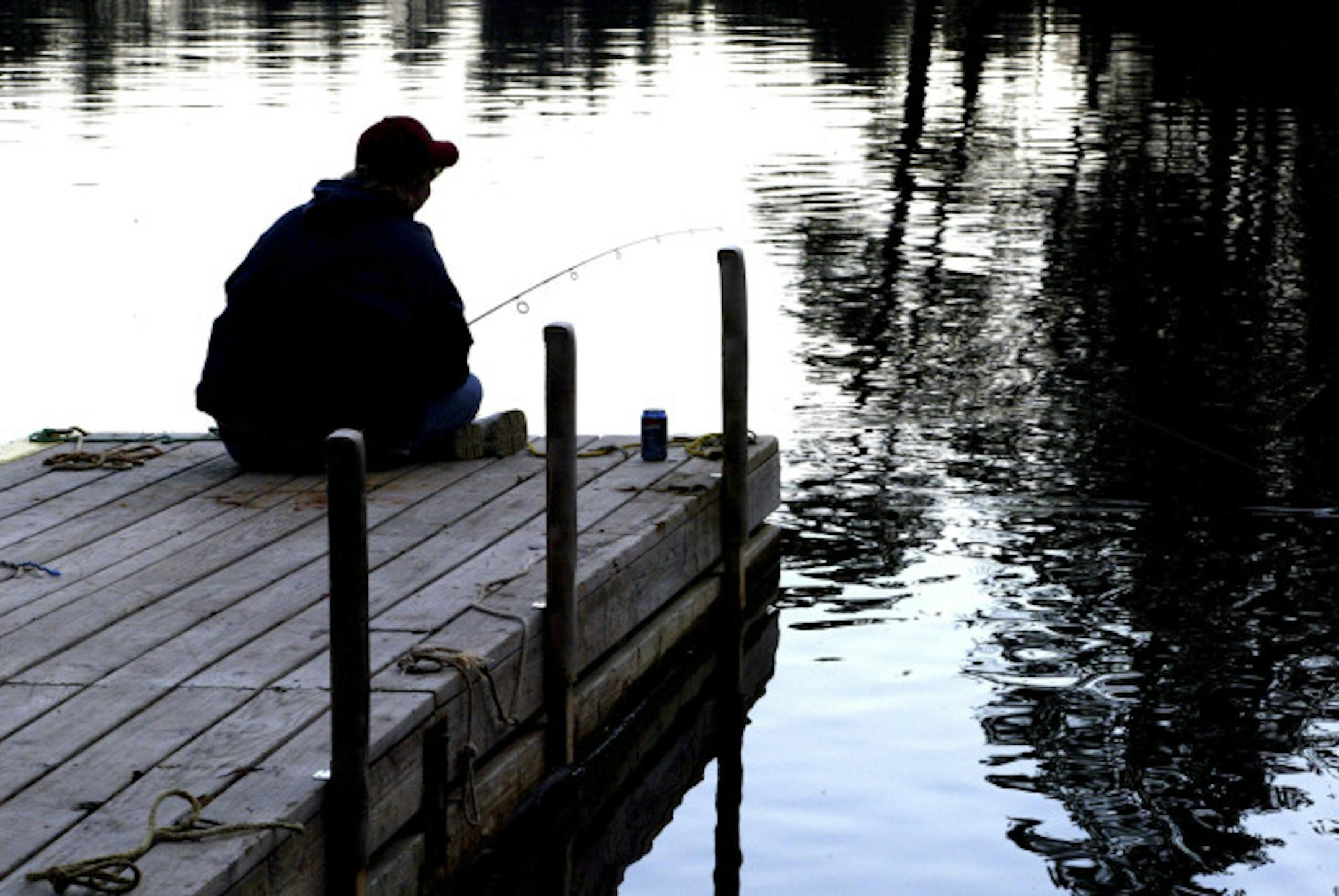
Former Minnesota Vikings coach Bud Grant gave a pep talk to a state Senate committee this month, but the Hall of Famer wasn't at the Capitol to push for the team's new home.
"I'm here to promote something more important than the stadium," Grant said, referring to proposed legislation that would raise hunting and fishing license fees for the first time since 2001.
Grant, 85, is an avid outdoorsman whose advocacy for Minnesota's invaluable natural resources is heartfelt. Department of Natural Resources officials point out that Grant's view of the legislation is shared by a healthy number of hunters and anglers who would welcome a modest fee increase to fund fish and wildlife conservation.
Legislators who failed to act on Gov. Mark Dayton's request for higher fees last year should share the DNR's sense of urgency. Without more revenue, the state's Game and Fish Fund is projected to be insolvent by July 2013, which would likely lead to a host of cuts to important services.
The DNR fund supports essential conservation programs such as hatchery operations; shoreland and prairie habitat restoration; invasive-species education and enforcement programs, and fish and wildlife population studies.
The Game and Fish Fund is supported by license fees and apportioned reimbursement of federal excise taxes on hunting and fishing equipment. Unique worldwide, the U.S. conservation model developed 75 years ago relies on revenues from hunters and anglers to support essential government programs.
In our increasingly wired world, however, entertainment options are more plentiful than ducks and walleye, and participation rates in nature-based recreation started to decline nationwide in the 1990s. Minnesota has felt the effects of that trend, both in falling license-fee revenues and lower federal reimbursement rates. The problem was only made worse by the recession and the 2011 state government shutdown.
Even with lower participation numbers, hunting and fishing are economic engines in Minnesota. About 1.5 million licensed anglers and 600,000 hunters help support 56,000 related jobs and $3.6 billion in annual expenditures, according to the DNR. Higher user fees are a wise investment in programs that are critical to the state's natural resources economy.


