

A host of remedies were suggested at Tuesday's Governor's Jobs Summit for the lag in job growth that uncharacteristically afflicted Minnesota in the past decade. Minnesota should reduce business taxes, improve government efficiency, invest in energy conservation, find ways to stimulate venture capital investments in small businesses, do a better job of "branding" the state's entrepreneurial advantages and a lot more, speakers said.
But the day's de facto theme was set when moderator Kathy Tunheim asked the four plenary-session panelists what they consider the biggest risk facing Minnesota. "It's that our workforce won't be as vital as it has been," former Medtronic Chairman Bill George said, without hesitation. The other panelists quickly agreed.
Soon afterward, the 800 summit attendees sorted themselves into eight breakout sessions. The one that discussed better aligning Minnesota's secondary and postsecondary education systems with the jobs of the future attracted the only standing-room-only crowd.
The business and civic leaders who responded to Gov. Mark Dayton's summit call showed that they get it: A highly educated, appropriately skilled workforce is key to reinvigorating job creation.
More than most states, Minnesota has an education-dependent economy. By 2018, according to the Georgetown Center on Education and the Workforce, 70 percent of our jobs will require postsecondary training. By comparison, 40 percent of Minnesotans of working age today have a postsecondary credential.
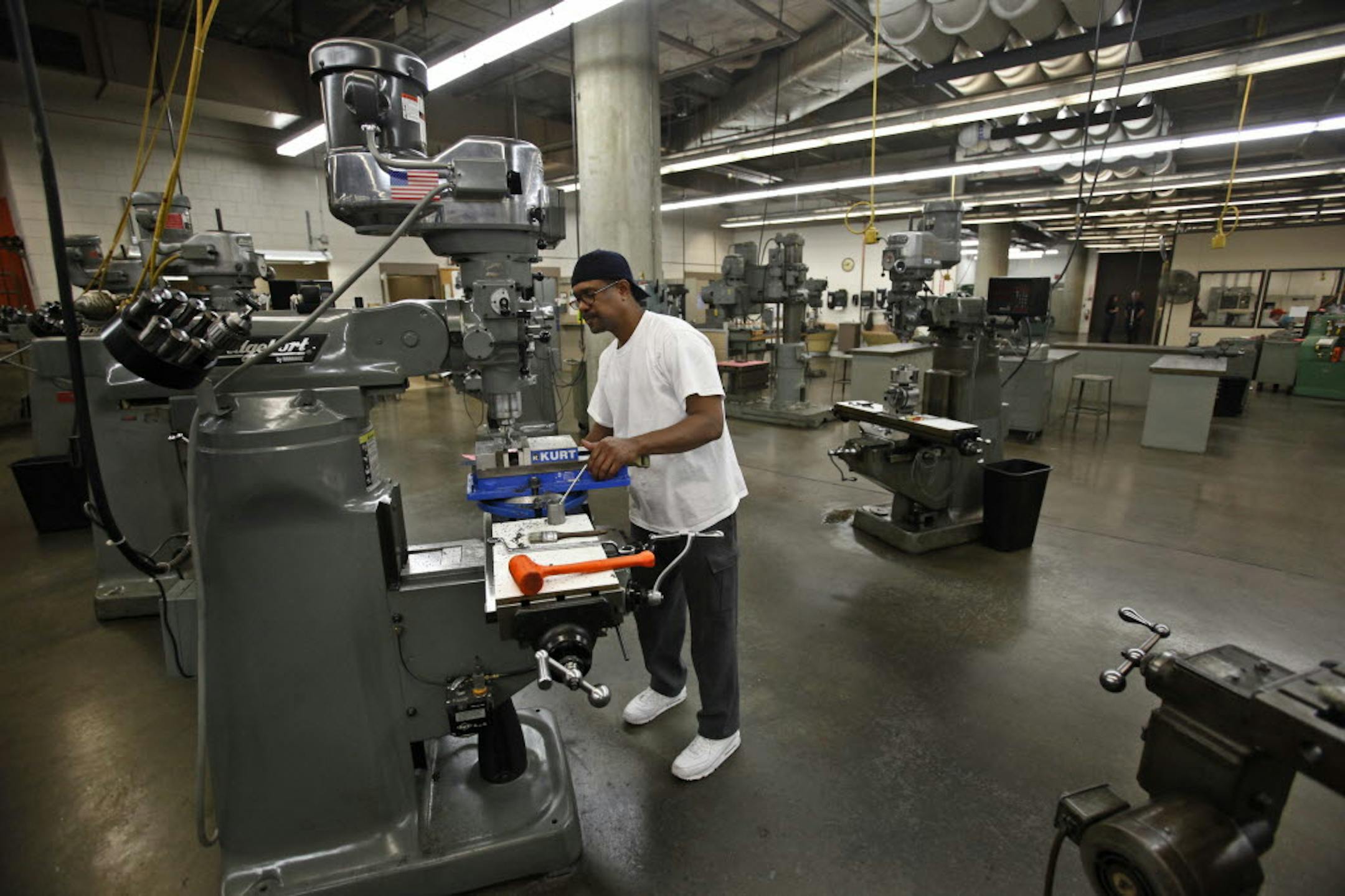
Those statistics explain an increasingly apparent "skills gap" in Minnesota. Despite the state's 6.9 percent unemployment rate, high-skills jobs are going begging. Traci Tapani of Wyoming Machine Inc. in Wyoming, Minn., said that her company recently had no applications for a good-paying laser operator position. Nathan Johnson of Pioneer Care in Fergus Falls said that 30 percent of the skilled nursing shifts in his firm need filling. Randy Hatcher of Ultra Machine Co. in Monticello said that an inability to hire precision machinists is constraining his firm's growth.
A skills gap is not only prolonging joblessness: It's eroding Minnesota's reputation as the place where employers find the people who can fill their jobs. Closing the skills gap should be central to a new, bipartisan Minnesota prosperity strategy.
Summit participants described a number of tactics that would help: Better career counseling in high school; more support and remedial education services for at-risk students at two-year colleges; more employer involvement in crafting higher-education curricula.

