

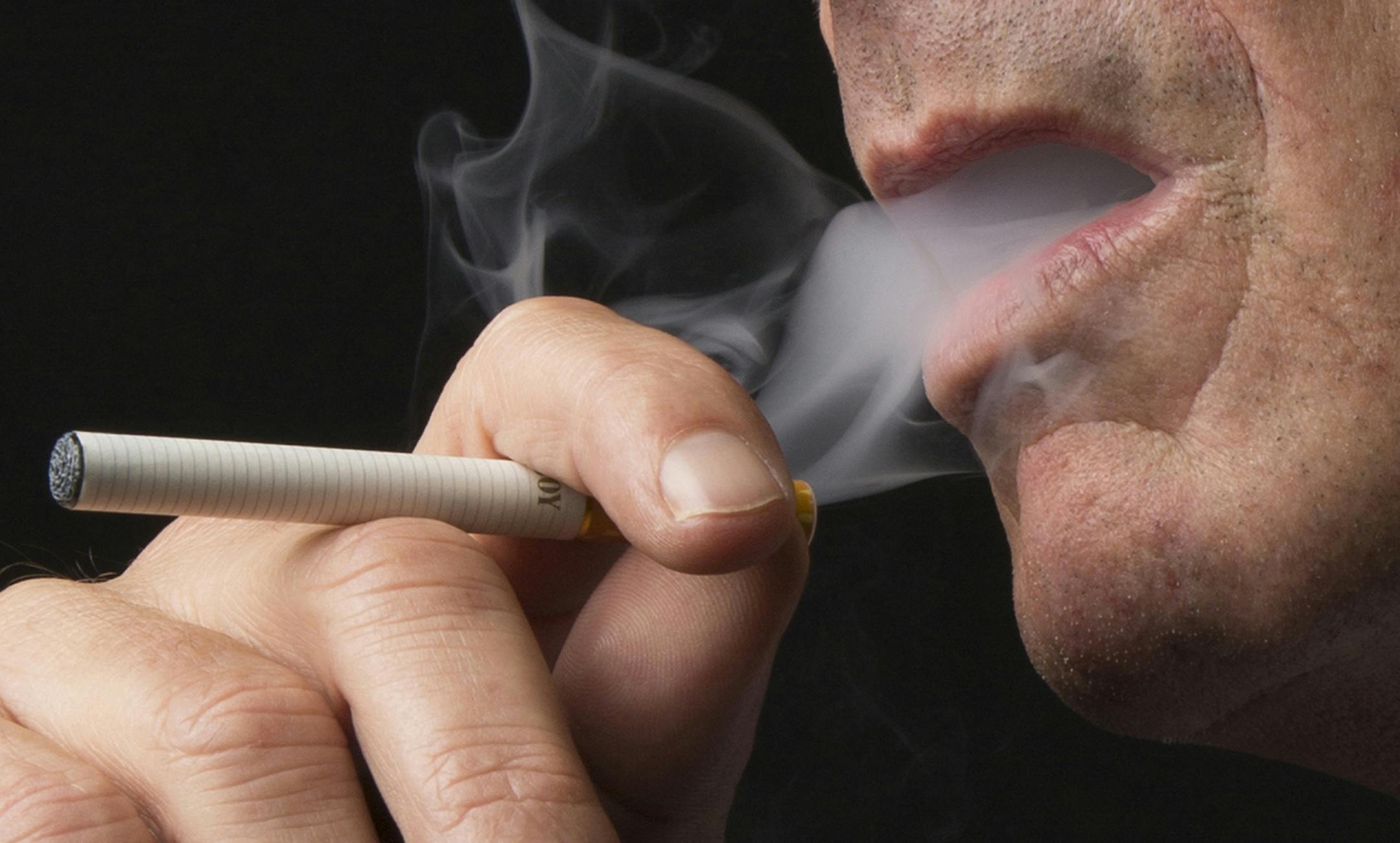
The Star Tribune editorial "Take safe course on little-studied e-cigs" (March 30) unfairly criticizes Gov. Mark Dayton's position on legislation that would regulate electronic cigarettes.
The Star Tribune Editorial Board clearly lacks an in-depth understanding of electronic cigarettes and, like many anti-tobacco advocates, would prefer to regulate these new non-tobacco products like regular cigarettes. This kind of thinking would result in a public health disservice to those smokers who are seeking to transition to using electronic cigarettes.
The legislation in question is pending in both the House and the Senate. The House removed a proposed ban on e-cigarettes in public places and left in provisions prohibiting e-cigarette sales to minors, mandating annual compliance checks on retailers, requiring retailers be licensed to sell e-cigarettes and setting penalties for violating the law. The tobacco wholesale and retail trade associations that I represent support these other regulations to prevent the sale of e-cigarettes to minors.
The Senate version contains these same provisions, but also bans the use of e-cigarettes in public places such as restaurants, bars, taverns and bowling alleys.
E-cigarettes deliver nicotine to the user and may look like cigarettes, but that is where the similarities end. The newspaper editors overlook what the public health community has known for decades, namely, that the burning of tobacco in a regular cigarette and the resulting chemical toxins pose the real health risks to a smoker.
With an e-cigarette, a liquid containing nicotine is heated, creating a vapor that is inhaled. There is no burning of tobacco and, contrary to testimony by the health commissioner during legislative hearings, an e-cigarette poses far fewer health implications than a traditional cigarette.
The editorial also misstates the ingredients in the e-cigarette liquid. Generally, the liquid contains nicotine, about one-fifth the concentration found in a regular cigarette. Propylene glycol is an ingredient that can be vaporized and has been found safe by the FDA for use as a food preservative and in some pharmaceutical applications, including asthma inhalers.
Glycerin is an ingredient that is a liquid sugar alcohol compound also used in pharmaceutical products. Menthol flavoring may be an ingredient in e-cigarette liquid. None of these ingredients is classified as a carcinogen by the FDA, nor do any of them cause cancer.


