

On K-12 education issues, the 2012 Minnesota Legislature will be remembered more for what didn't happen than for what did.
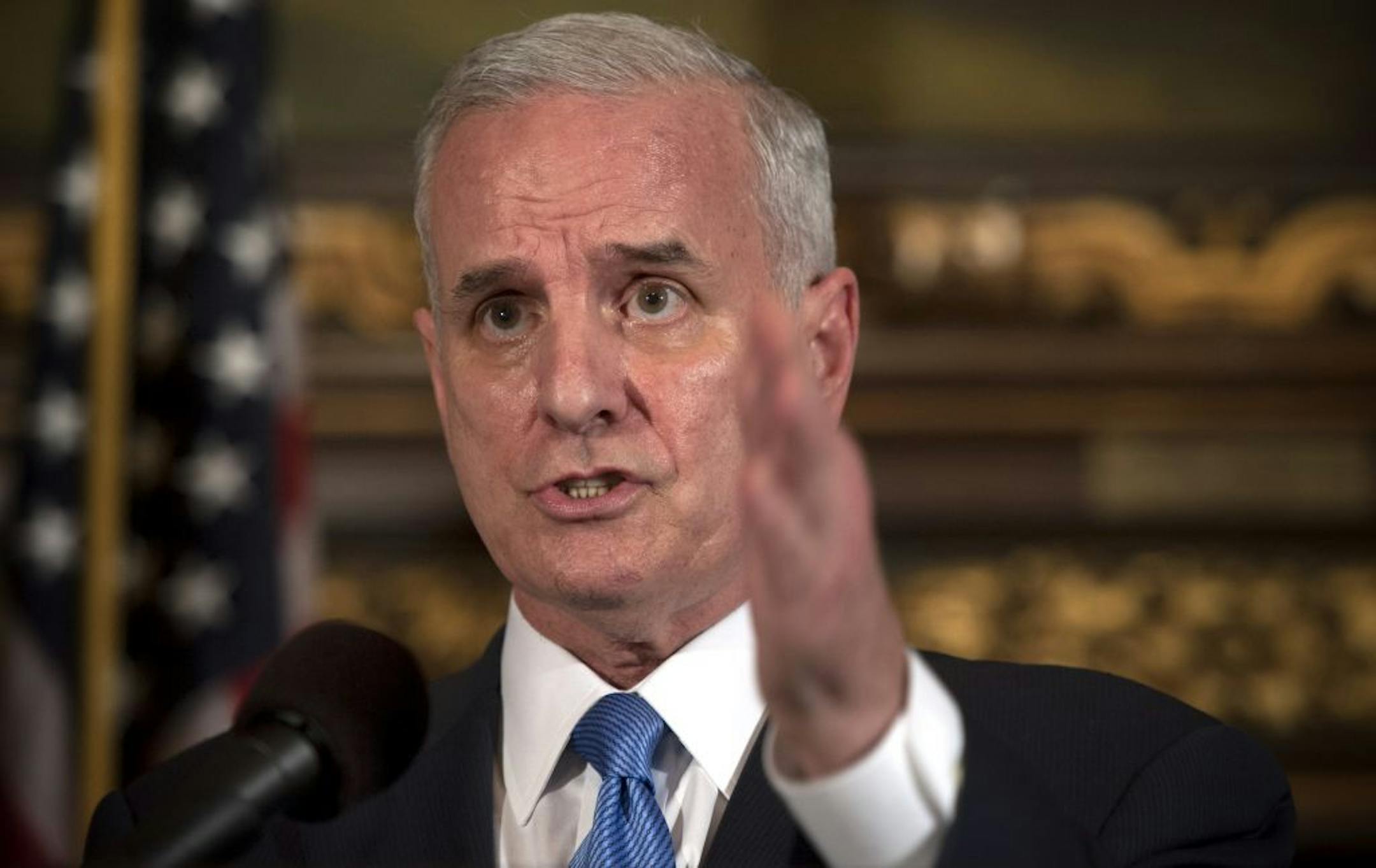
Due to Gov. Mark Dayton's veto, the state missed an important opportunity to ensure that schools can retain Minnesota's best teachers during staff reductions. Under current state rules, teachers must be laid off according to seniority -- unless an individual district has negotiated something different.
Research shows that effective teaching has a tremendous impact on student learning. That's why school managers need the flexibility to keep their best instructors, even when times are tough.
A legislative proposal, passed this year by both the House and Senate, would have included performance among the considerations when determining layoffs. Using longevity as one of several factors -- but not the only factor -- when making staff cuts would serve students well.
It's disappointing that Dayton rejected the change. But given the wide range of public support the measure attracted, lawmakers will consider it again in 2013.
Another disappointing case of inaction occurred on school integration aid. Last year, lawmakers decided to sunset -- as of June 2013 -- the $108 million that is spent on voluntary school desegregation.
During this session, a bipartisan legislative task force recommended a good compromise between continued support of integration and holding the programs more accountable for results. But lawmakers did nothing with the suggestions.
Uncertainty about whether those dollars will be available could cause major budgeting problems for school districts in the spring. The Legislature should decide early next year about the fate of integration aid.


