

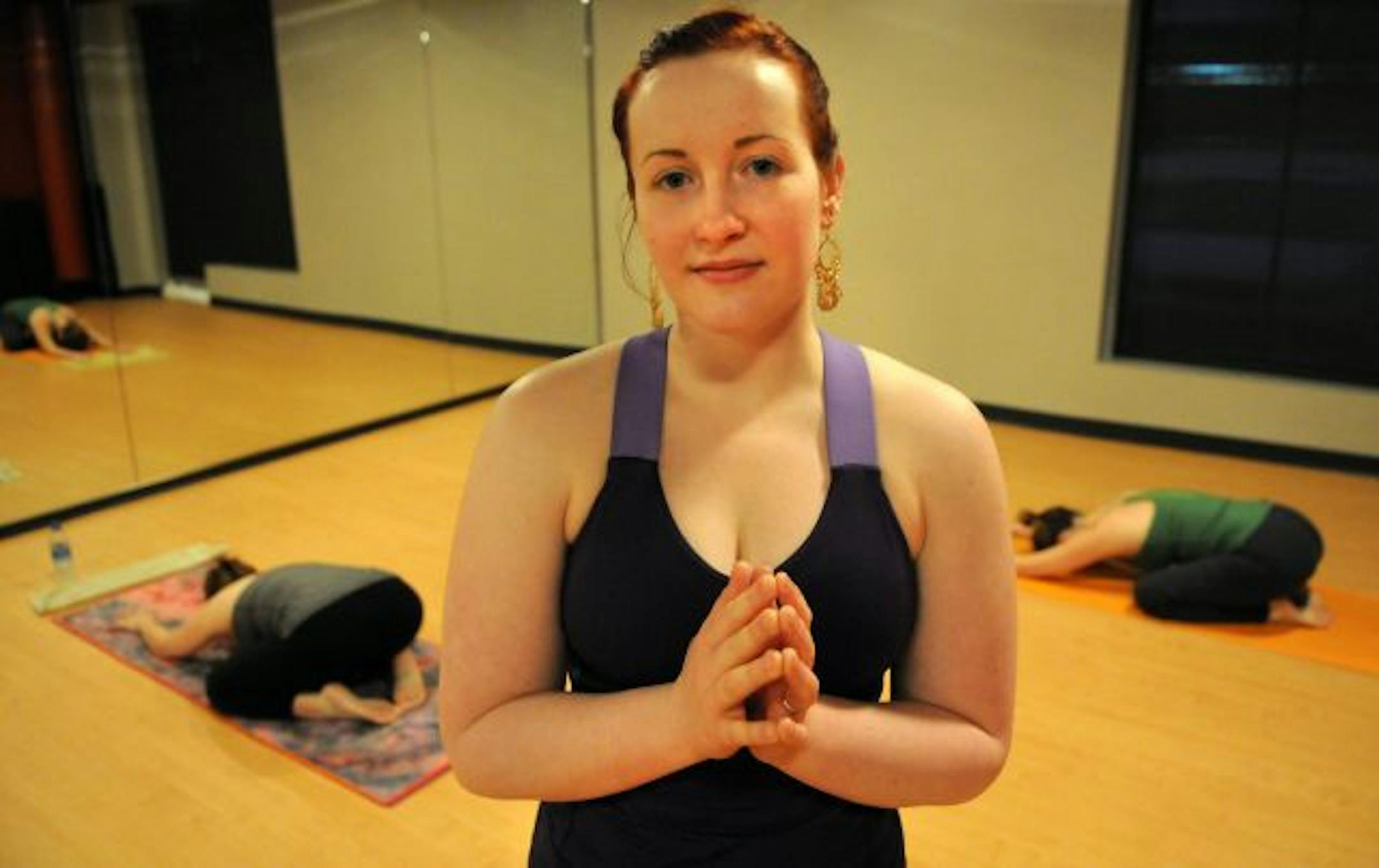
After Type 1 diabetes was diagnosed in Asha Agar Brown at age 5, she grew up surrounded by well-meaning people urging her to watch her weight.
She did. Too well. By age 16, she was starving herself. Then came bingeing, more starving, and overexercising. Finally, she discovered a trick to keep her weight down -- skipping insulin shots. "I would feel very, very tired, dizzy," she said.
This past summer, after contemplating suicide, Brown sought help. Her blood sugar level was so high that doctors at the Melrose Institute in St. Louis Park admitted her right away.
Brown, 25, is an example of why eating-disorder programs in Minnesota are growing. Two of the country's biggest centers are here, thanks to increased public awareness and, perhaps most significantly, the willingness of the state's insurers to pay for treatment.
Melrose saw almost 1,800 new patients last year, about 10 percent from outside Minnesota, while the St. Paul-based Emily Program drew 1,740 new patients this year, about 6 percent from outside Minnesota.
Those in the field say they are not sure if more people have eating disorders today, or if there are simply more places for them to seek help.
"I wonder if the patients haven't always been there, but they haven't had a lot of good treatment options available," said Dr. Leslie Sim, clinical director of the eating disorders program at Mayo Clinic in Rochester.
Expanding treatments


