

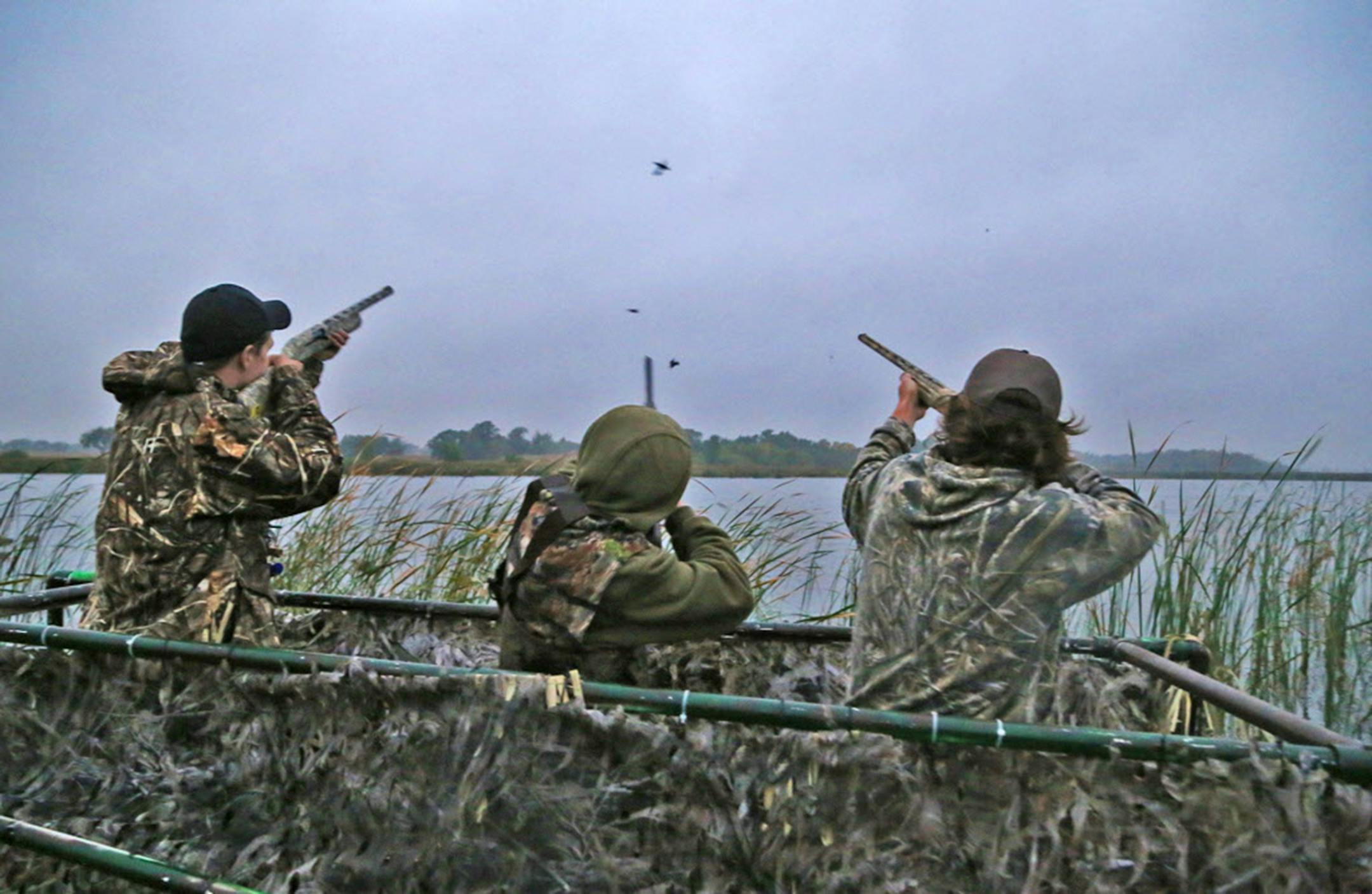
Minnesota licensed fewer duck hunters last fall than at any time in history, a sad testament to the state's once-glorious waterfowl hunting tradition, during which for multiple decades more duck hunters went afield here in autumn than in any other state.
Yet the long-awaited update to the Department of Natural Resources' 50-year — 50-year — duck plan hasn't yet been started.
That was the astonishing news delivered at the recent DNR Roundtable by wildlife section chief Paul Telander, who was responding to a simple question: "How's the duck plan update coming?''
To the double surprise of waterfowlers in Telander's audience, the chief's response was: "We just finished the goose plan. The duck plan is next.''
Minnesota needs a goose plan?
The answer is, maybe. But on the list of game-management priorities, it would certainly fall below (as one example) a ruffed grouse plan and, for sure, a duck plan.
Geese, after all, aren't in trouble. They are adaptable nesters whose Minnesota population is largely regulated by hunting. Ducks, by contrast, are in a world of hurt in this state, and their accelerated management should be a DNR priority.
Consider also that the DNR Canada goose plan, which is actually a draft goose plan, sets the year 2056 as its management target date. By which time, according to the plan, the DNR will manage to … wait for it … reduce the number of Minnesota Canada geese from the 2001-17 spring breeding average of 170,000 birds, to 140,000.


