Her vision failed first. Then she fell asleep at school from inexplicable fatigue. Even walking proved difficult, often impossible, as she knocked into furniture and walls. It was like an electrical switch in her body toggled without warning. Some days she was in control, most she was not. Specialists were stumped.
It took three months before a general practitioner detected the shadowy, cancerous tumor that clung to 10-year-old Violet O'Dell's brain.
In the fall of 2011, a cancer physician at Seattle Children's Hospital met with Violet. He crouched, to talk eye to eye. And he told her: The rare, inoperable malignancy struck just a few hundred children each year. Most died within a year. None survived.
But doctors could offer this: An "orphan drug" — one approved for a rare disease — might slow the cancer's growth. With the drug, Avastin, Violet might live an extra month, maybe longer. The drug cost up to $50,000.
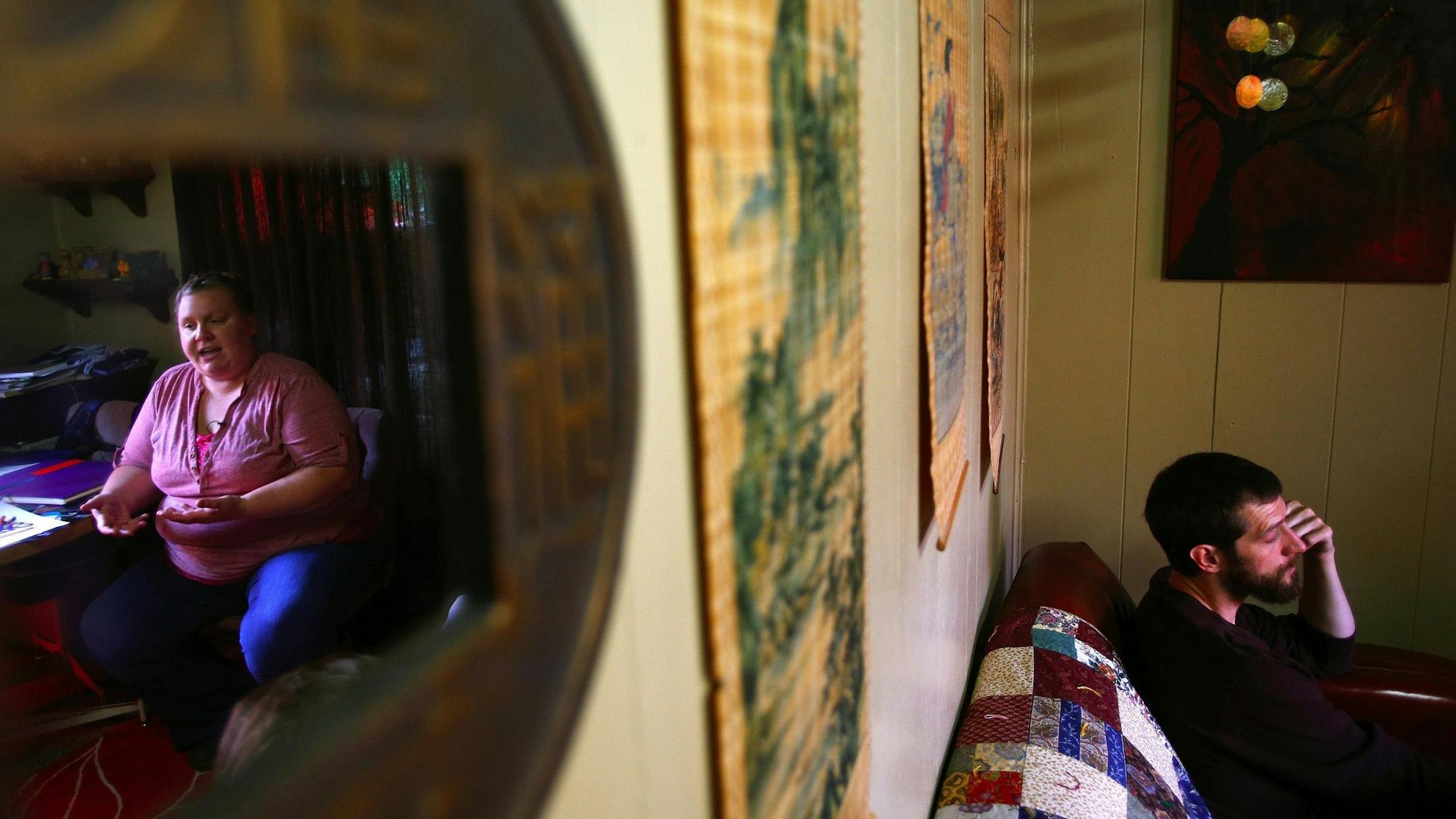
"How much would you pay to have extra time with your dying child?" Violet's mother, Jessica O'Dell, asks. "We don't make a lot of money. We knew we'd lose our home, everything we own."
For the O'Dell family, the drug's cost exceeded their annual income. For Genentech, the San Francisco-based company that manufactures Avastin, the drug brings in $3 billion a year.
The O'Dells' conundrum — a lot of money for a little time — highlights the pharmaceutical industry's unchecked profiteering from rare diseases.
Fastest growing sector of U.S. drug system
Thirty years ago, Congress passed the Orphan Drug Act as a way to lure pharmaceutical companies to develop drugs for rare diseases that had been "orphaned" — abandoned or ignored because they were unprofitable. The hope was that drugmakers would break even or post modest profits.