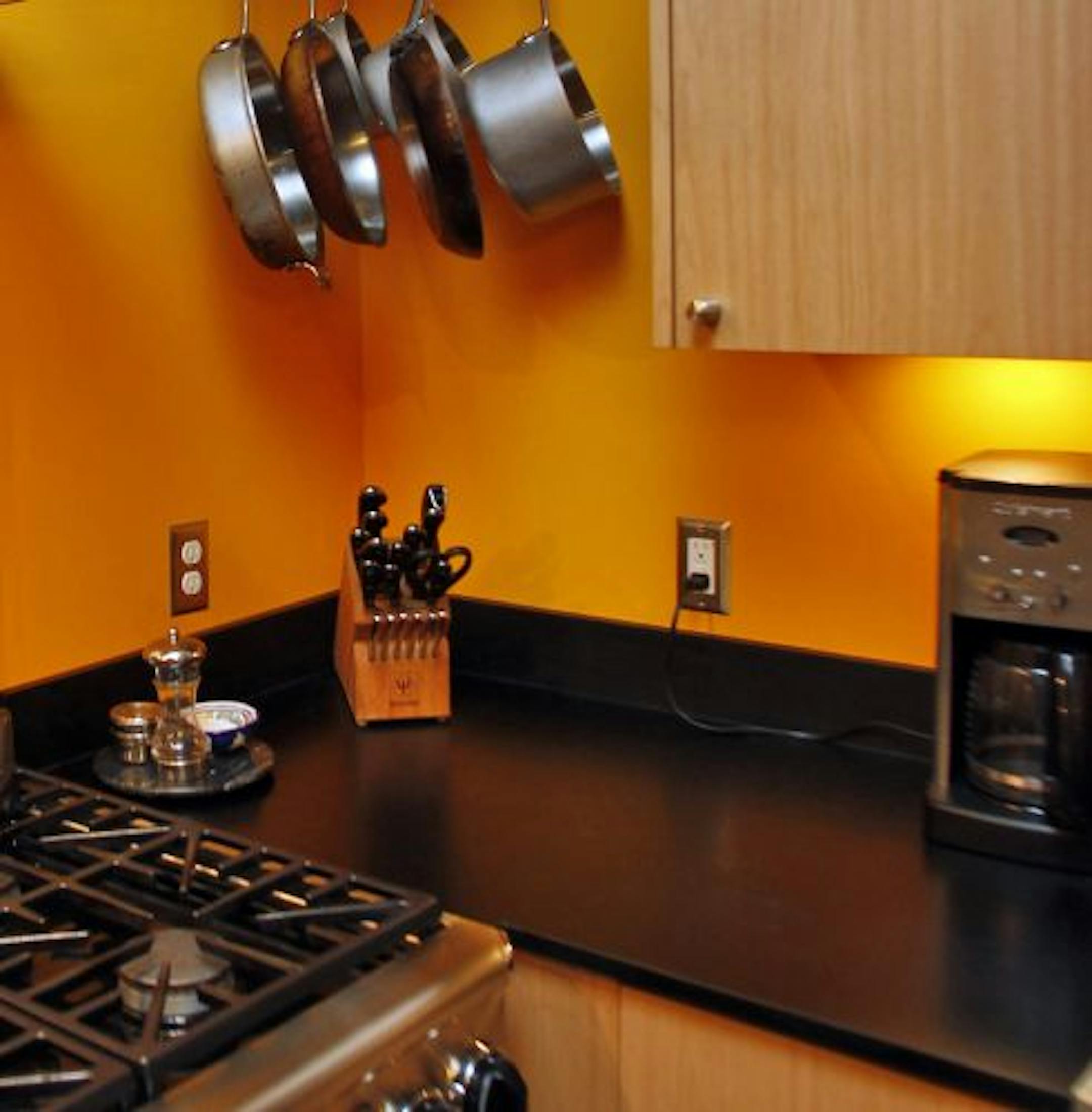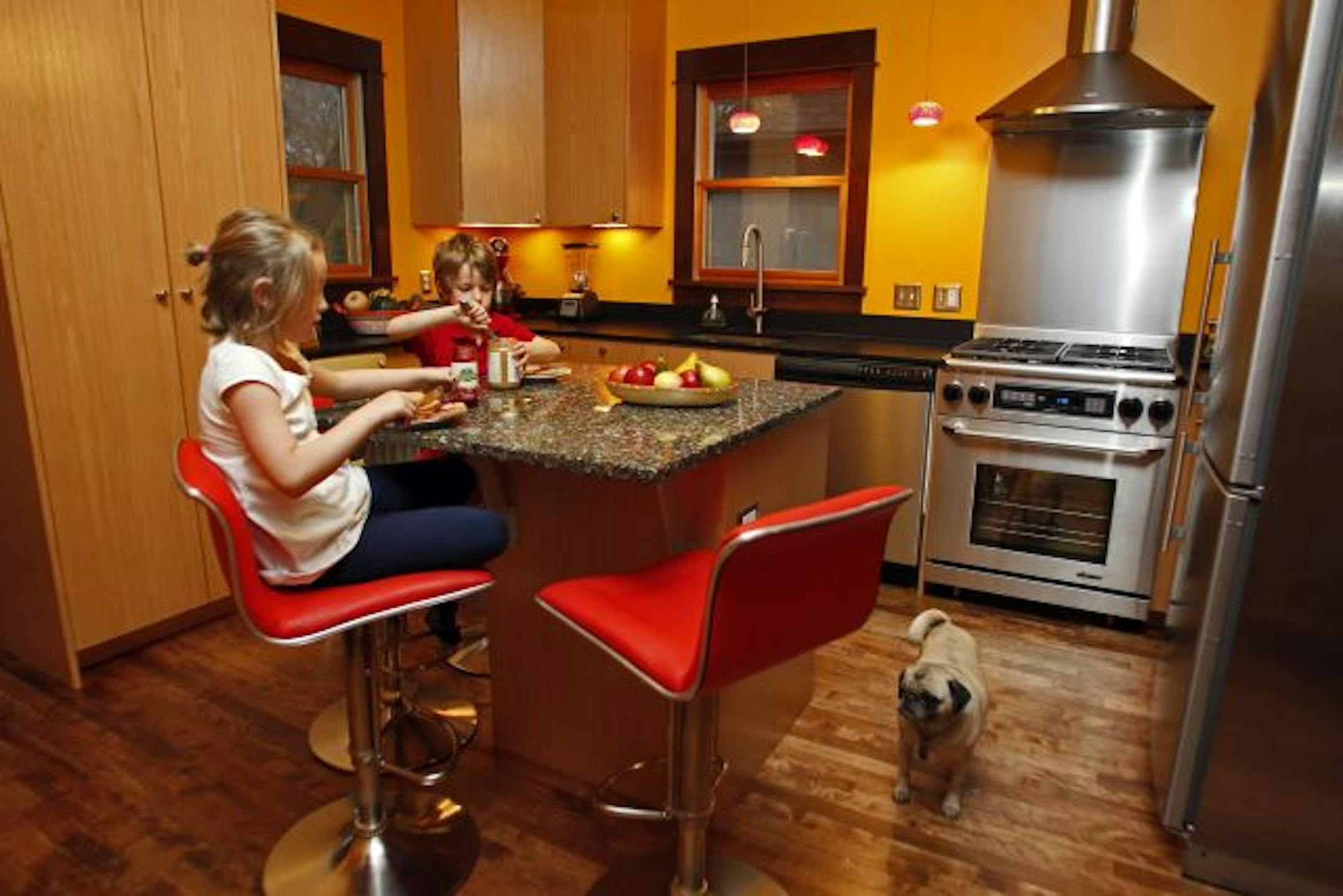
Just a few years ago, calling a kitchen green would have meant the walls were painted sage.
Today's green kitchens have nothing to do with color. They're environmentally friendly, energy-efficient and nontoxic. They boast countertops made of recycled glass or paper, and floors of renewable bamboo or cork. The appliances use less energy, and the low-VOC paint keeps the air clean.
Eco-friendly kitchens, a byproduct of the green building movement, continue to gain steam, even in the sluggish economy, because more people want their homes to be healthier. They also want to do what they can to minimize the impact on the environment. But it took some time for green design to move beyond the back-to-basics style.
Michael Anschel, principal at Otogawa-Anschel, was one of the designers on the front lines of green design in Minnesota. He helped develop the Minnesota GreenStar certification program in 2006, which includes guidelines for green kitchen remodeling projects.
"At the time it was a radical concept, that you could use linoleum and cork and salvaged granite, and it could look high-end and classy," he said.
Now, manufacturers are crowding into what's considered a hot market, offering green building products in a wide range of styles, colors and prices.
"There's no limit to cool products that have green attributes," said Anschel. "Five years ago, it was a struggle to find low-VOC paint. Now it's at big-box stores."
But there's more to green than a label on a package, said designer David Heide, owner of David Heide Design Studio in Minneapolis. He considers good design a key green component.