

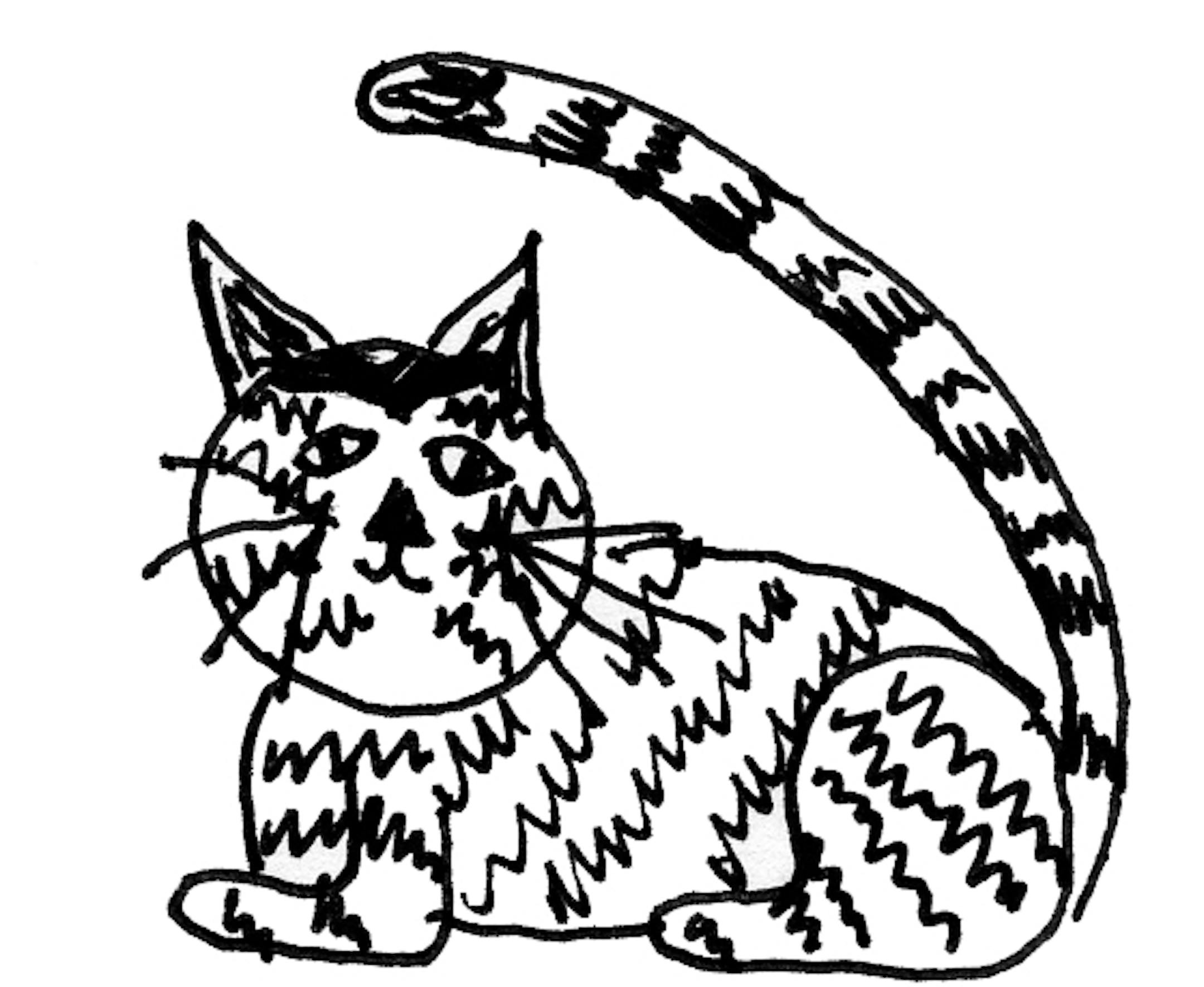
The doodle.
We've all done it, whether during a classroom lecture or a meeting at work.
At first glance, it's a trivial waste of time. But upon closer examination, those squiggles, drawings of animals or tiny sketches of the boss in a gorilla suit seem to have some value.
Studies have shown that people benefit from doodling. Author Sunni Brown sees the doodle as a flash point in nothing less than a revolution in the way we learn. In fact, her new book, due out in the fall, is called "The Doodle Revolution: Unlock the Power to Think Differently."
"It is instinct," she said of the use of visual language. "Just like there's a linguistic grammar — there's also a native visual language for all people. It's very natural and flows out of all of us."
Brown explained that there is a "visual alphabet," a set of 12 symbols that can be used to articulate any conceivable concept. She says that rather than talking about a complex topic, it might help to doodle it as a new way of expressing the idea.
At a conference in 2011, Brown told her audience, "Our culture is so intensely focused on verbal information that we're almost blinded to the value in doodling." She said doodling is a powerful tool that we, as adults, need to relearn. Kids, it seems, have it right.
Anita Wood, whose new book, "Doodle Your Day," gives 8- to 12-year-olds a day-by-day forum for doodling, said that an inherent desire to create or doodle starts when children are handed their first pencil or crayon, "or even earlier when they are eating their mashed carrots and peas. My children liked to paint on their highchair trays using their mushy Zwieback Toast as soon as they developed their dexterity and hand coordination."


