

Korea, site of what is considered the "Forgotten War" by many, is actually on the minds of more Americans lately. Or at least the current version of the enduring enmity between Washington and Pyongyang, as North Korean leader Kim Jong Un unrelentingly tests weapons systems. The "situation in North Korea" is "the most important problem facing the country today," 4 percent of Americans told Gallup in August, up from an asterisk in June.
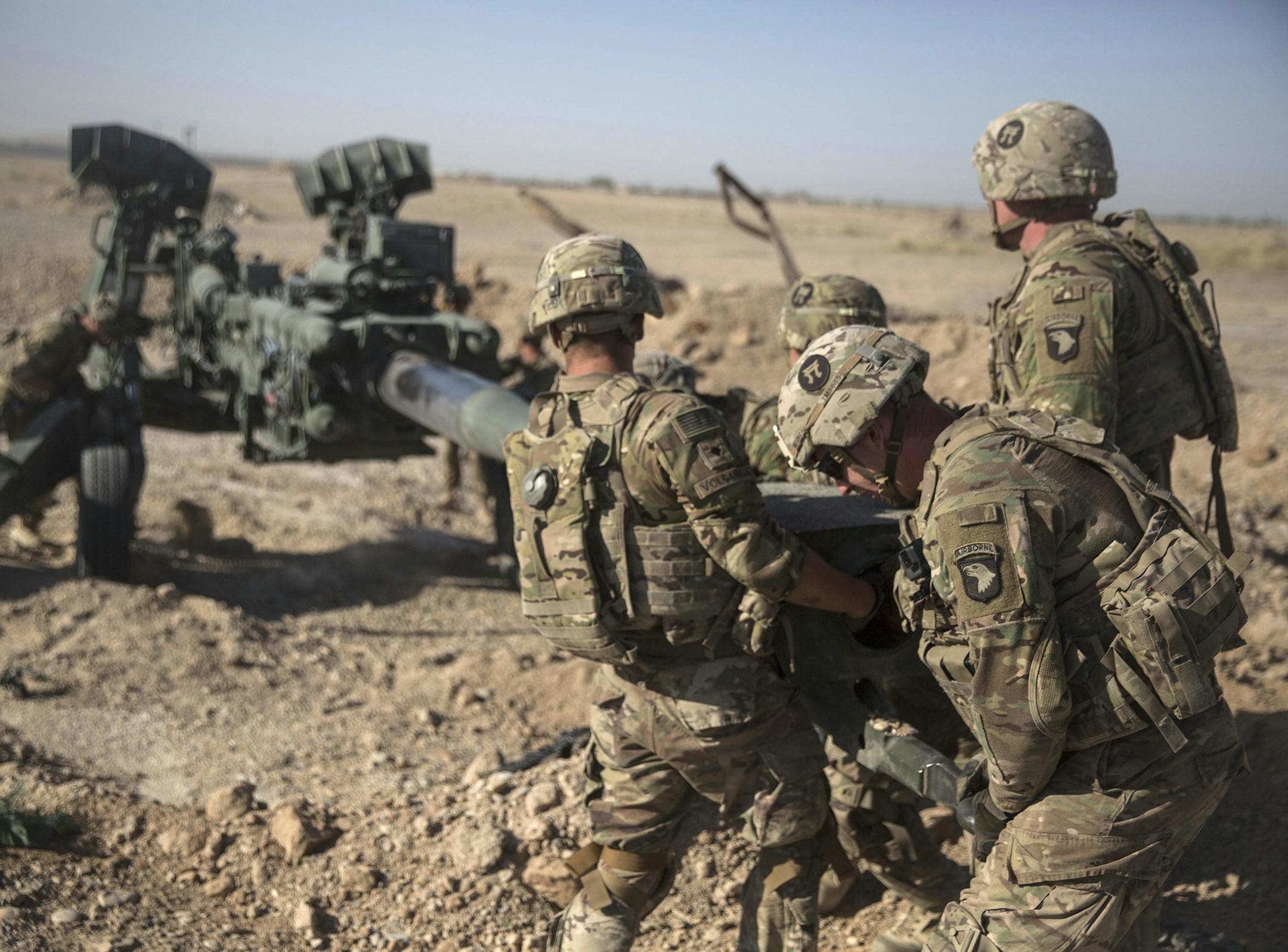
Conversely, Afghanistan — the subject of President Donald Trump's address to the nation on Monday and September's Global Minnesota "Great Decisions" dialogue — didn't even crack an asterisk. "War/Wars (nonspecific)/Fear of War" as a general category was mentioned by just 1 percent. This, despite a reported 3,900 additional troops to soon join the nearly 8,400 officially already deployed.
The scant Afghanistan attention reflects a military, but hardly a society, at war. And because of (or perhaps the cause of) Afghanistan becoming another forgotten war, reporting resources to cover the conflict have declined, too.
One telling example came during a recent background briefing by the top U.S. envoy in Kabul (the news media isn't the only institution de-emphasizing Afghanistan; an ambassador to Afghanistan was nominated just a month ago). The event was attended by the members of the Western press corps — all six of them, that is, compared to the 20-30 reporters who routinely attended in recent years, according to Rod Nordland, the Kabul bureau chief for the New York Times.
The Times, Nordland said from Kabul, has kept its commitment to covering not just the war, but the broader regional dynamics involving India and Pakistan, two key nations Trump focused on in his explanation of what he deemed a South Asian strategy.
Nordland said that reporters from the Washington Post, Reuters and Al Jazeera attended the briefing, along with two freelancers. Other print publications intermittently deploy reporters, too, he said, and added that the Associated Press currently does not have a full-time, dedicated presence in Afghanistan.
And some of the best video reporting, Nordland said, is being done by scrappy upstart VICE News, not august broadcast networks. That qualitative judgment is met by this quantitative fact: In 2016, the three network evening news programs dedicated a total of 10 minutes to Afghanistan, according to the Tyndall Report, which tracks network news stories.
Like his piercing reporting, Nordland was unflinching in his analysis of the coverage.


