

When I started to write this article I originally titled it "Culture is not a four-letter word." It was intended to address the CEOs who think culture is a squishy, beer-for-lunch, feel-good concept that doesn't deserve a place at the grown-ups' table. I wanted to demonstrate how wrong-thinking that can be and make the case for the power of culture and why it should be at the top of every CEO's list.
I was prepared to make a compelling case to convince CEOs that culture is every bit as important as strategic planning. I was ready to cite all kinds of studies and dazzling statistics that prove that positive cultures create positive financial performance.
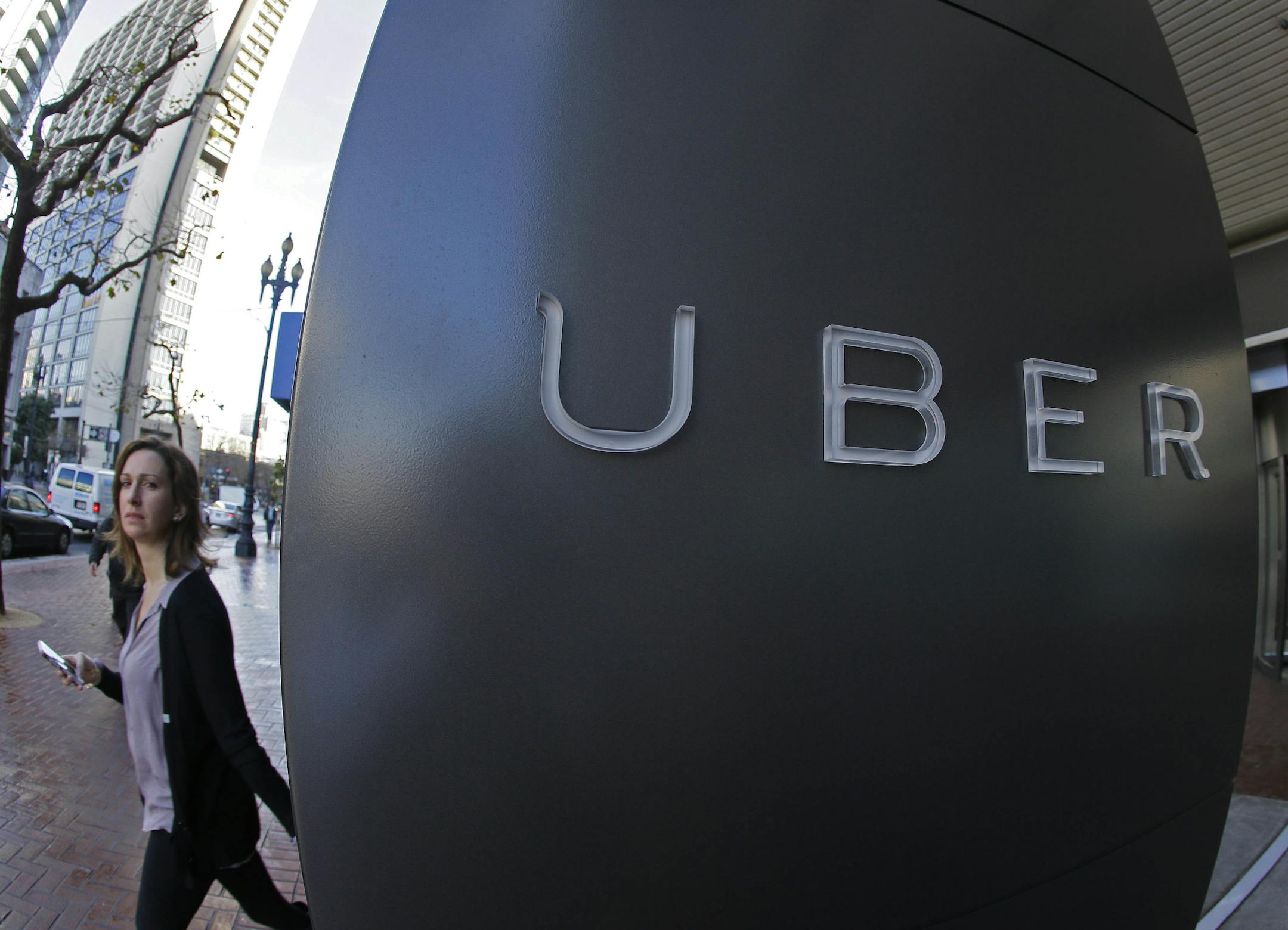
But now I know I don't have to, thanks to a four-letter word: Uber. Uber's toxic culture has been front and center in the news.
According to reports, Uber has been accused of everything from sexual harassment to stealing driverless technology from Google. Even some of its own investors claim the company fosters a toxic culture.
There is that four-letter word again. You know, the beer-for-lunch, don't bother with culture mind-set. Culture can be a four-letter word if it is ignored. Culture can be a four-letter word if is toxic. And toxic cultures kill more businesses than recessions. And it is liable to kill Uber, too.
So what went wrong with Uber? How can a company that claims its values are "making communities safer" and "standing up for its driver community" go so horribly wrong? That is because those are only what I call "bumper-sticker" values. Values that look good in an annual report but have no real meaning inside the company. Wells Fargo is a perfect example of this. Two of Wells Fargo's key values are "ethics" and "what's right for customers." And yet its employees created over 2 million ghost customer accounts over several years.
There is often a difference between bumper-sticker slogans and the real values that lie beneath. Value statements are always warm and fuzzy. But a company's real values are manifested in how it acts, not how it claims it acts. And at the end of the day, the culture is nothing more than a collection of values. And values dictate how employees will behave. Such was the case with Wells Fargo. Such is the case with Uber.
If you are a CEO, don't wait until an Uber-like disaster strikes before you do a values checkup. But don't have the human resource people ask employees what the company values are. Don't declare what you think the values are and expect people to behave accordingly. That never works. Here is what you should and shouldn't do:


