

Disruption.
It's apparent in politics (Brexit, the election of President Donald Trump), people (mass migration crises convulsing countries, even continents), media (e-commerce and iPhones, to name just two) and meteorology (extreme storms, snaps and waves), as well as nearly every event or force in the world today. Even in college basketball, where elite teams like the Duke Blue Devils yield to the Red Raiders of Texas Tech and other upstarts at the Final Four to be played at U.S. Bank Stadium in Minneapolis this weekend.
Just across the river from the basketball hoopla, one of the Minneapolis St. Paul International Film Festival's key themes is "disruption," which is the subject of several films featuring "individuals who dare to put themselves in the way of the status quo in order to instigate change, challenge structures of power, reveal what is obscured, and make possible a more just and hopeful world."
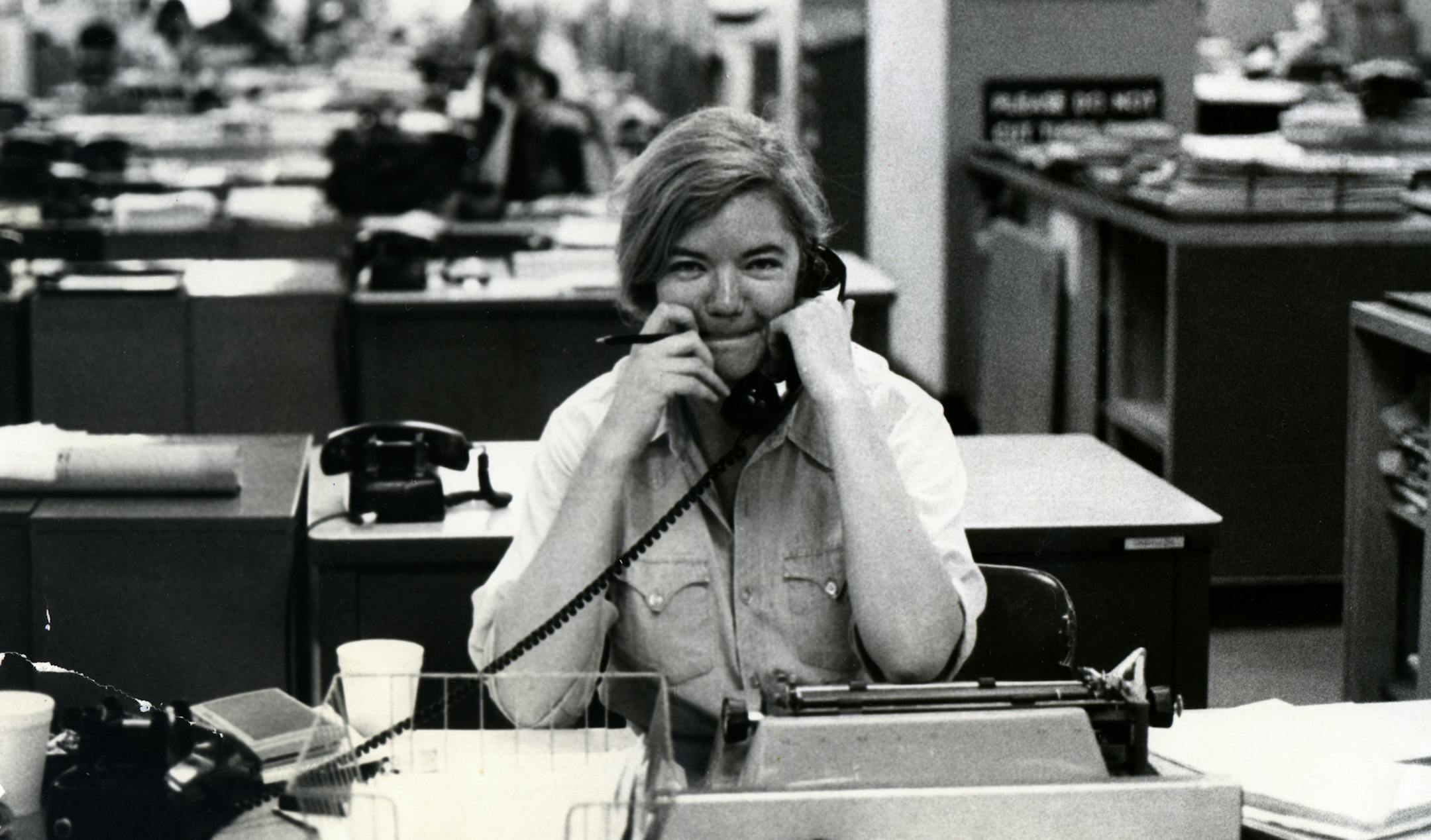
Sounds a lot like Molly Ivins, the provocative columnist who became a consequential media-political figure in the 1990s and early 2000s. She's the subject of a documentary called "Raise Hell: The Life & Times of Molly Ivins" that will have a local premiere at the festival on Sunday.
Ivins championed underdog causes and people. Despite perceptions of her politics, "Molly said it's not a left-to-right issue, it's a top-to-bottom issue," said Janice Engel, the documentary's director, who will join James Egan, the film's producer, and Marilyn Hoegemeyer, a co-worker of Ivins' when she wrote for the Minneapolis Tribune in the late '60s, on a post-screening panel I'll moderate. (The Star Tribune is a presenting sponsor of the festival and a co-host of the panel.)
Like everywhere Ivins worked, she was a larger-than-life figure in Minneapolis.
"She was a firestorm in the newsroom, I can tell you that," said Hoegemeyer, who recalled a tall, Texan, red-haired Ivins arriving to work during her first winter in a full-length red winter coat. "The first time she walked in the newsroom, Frank Premack [a Tribune editor] stood up and said, "Ivins, you look like the Foshay Tower at Sunset!' "
Ivins' towering presence wasn't just sartorial, but journalistic, Hoegemeyer added. She was the first female reporter to cover the police beat, and wrote a compelling series on the Vietnam era's local "young radicals" and "young conservatives."


