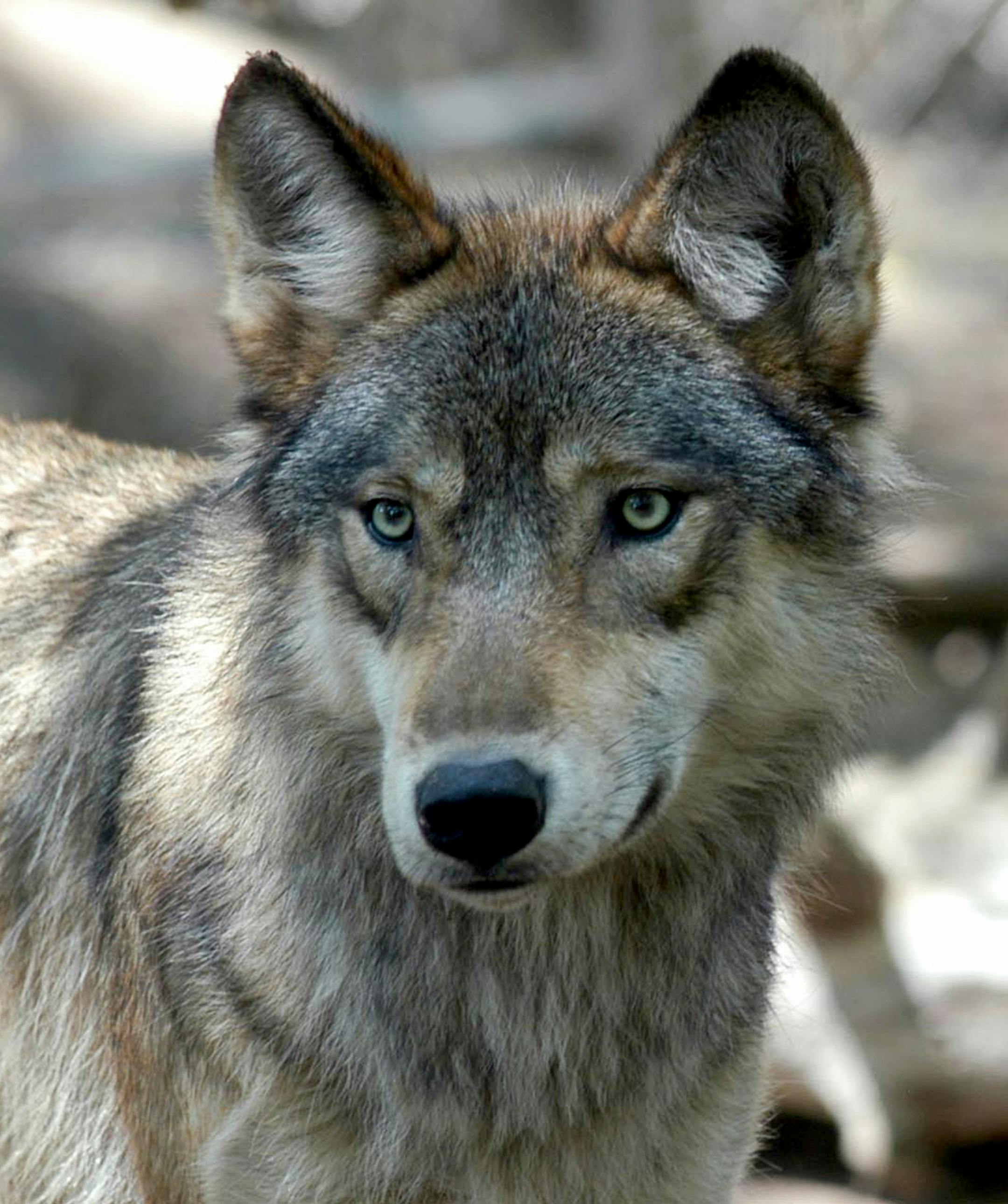
The number of wolves in northeast Minnesota jumped 25 percent in the past year, most likely because deer, their favorite prey, saw a similar increase in population.
After remaining stable during the past four years, the Department of Natural Resources' (DNR) annual wolf survey for 2016-17 found there were roughly 500 wolf packs and 2,856 wolves. That's up from 439 packs and 2,278 animals from the previous year, but it's still not as high as it was between 2004 and 2008, when the population was about 3,000.
DNR wildlife scientist John Erb said deer numbers in that part of the state have increased by 22 percent, the result of recent "mild winters and conservative hunting seasons the last few years." Deer are especially vulnerable to deep snow, which hampers their ability to feed and escape predators, and which severely curtailed their population after the harsh winters of 2013 and 2014.
But the DNR also found that packs were somewhat larger and their territories somewhat smaller, an indication of their higher density in Minnesota's forests.
"It's the amount that can feed on the number of deer that are there," said David Mech, a wolf researcher with the U.S. Geological Survey.
It's not clear at this point whether the extent of their range, which spans far northern Minnesota and narrows steadily toward the south as far as Little Falls and Milaca, has also changed. Erb said the DNR will attempt to determine if the size of wolf territory has increased in subsequent surveys.
DNR wildlife officials conduct a wolf survey every winter when the population is at its lowest point. The count is an estimate based on calculations that include tracking about 40 wolves collared with radio telemetry devices, aerial sightings, the number of tracks, pack and territory size. But the difficulty of conducting the survey results in a wide margin of error — this year it was estimated to be plus or minus 500 wolves, about what it is every year.
The number of wolves in the state was once as low as 750, but that was still the largest population in the lower continental United States after many decades of attempted extermination pushed the animal onto the endangered species list. Since then, their number has steadily grown, and they've begun to populate northern Wisconsin and Michigan as well.