

Bankers involved in mergers and acquisitions have been checking their telephones more often than text-crazy teenagers recently, trying to keep up with a flurry of offers for U.S. mobile-telephone companies.
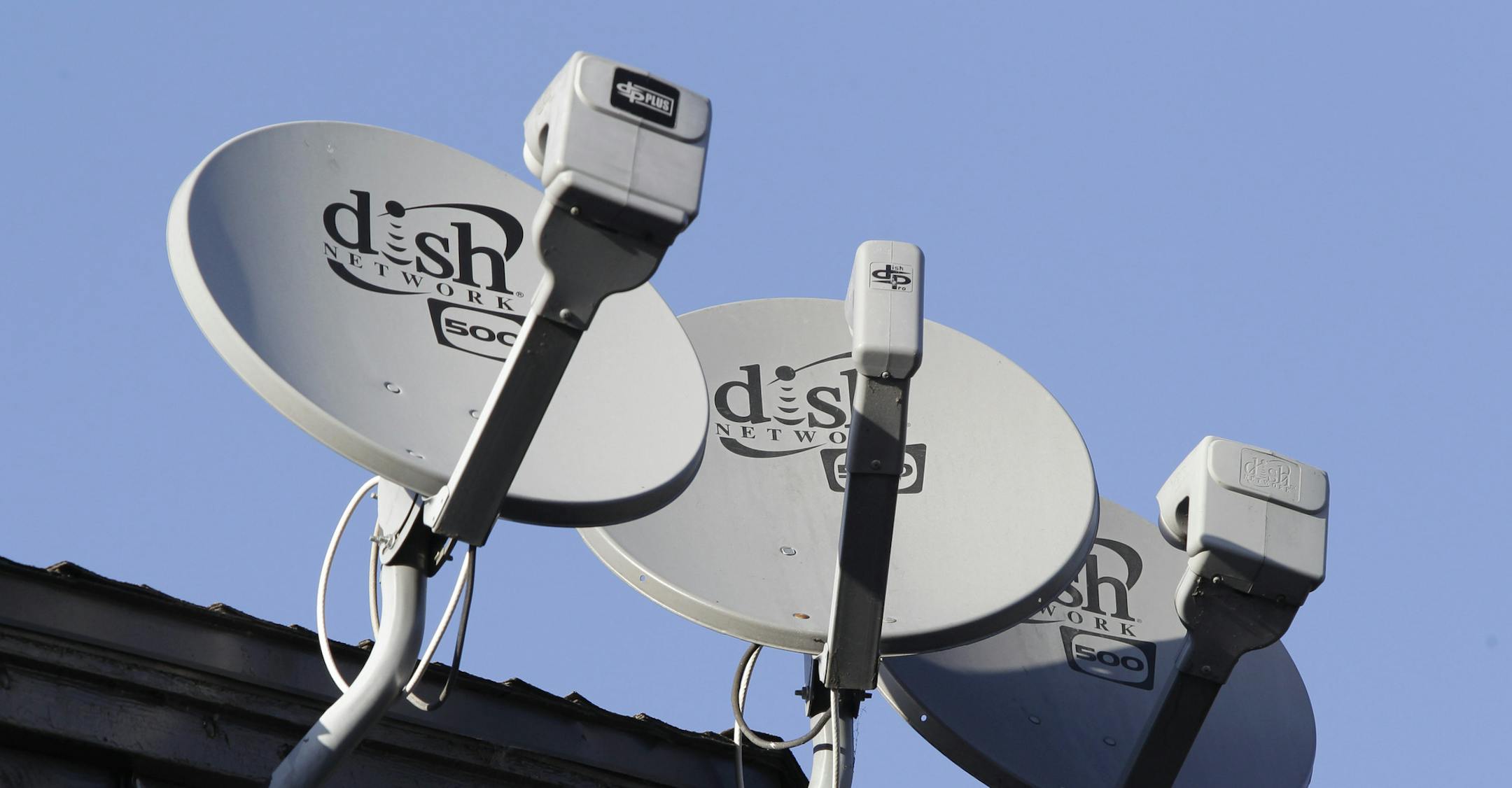
On April 15 Dish Network, a satellite-television operator, became the latest bidder to enter the fray when it launched a $25.5 billion offer for Sprint Nextel, the country's third-largest wireless firm.
Dish is not the only suitor for Sprint. Last October Japan's SoftBank Corp. offered to buy 70 percent of the wireless operator for slightly more than $20 billion, and last week it boasted that its deal promised benefits "superior" to Dish's unsolicited one.
Sprint, in turn, is seeking to take full control of Clearwire, another wireless company of which it already owns half. T-Mobile USA, the fourth-biggest mobile operator, is pushing ahead with a plan to merge with the fifth-largest, Metro PCS.
The scale of the bidding is breathtaking. According to Dealogic, a data provider, wireless deals worth $49 billion already have been announced in America this year, compared with $53 billion worth of transactions for the whole of 2012. More offers could be on the way.
What is driving this deal making? And who is likely to come out on top when the dust settles?
The answer to the first of those questions is that the bids are aimed at helping America's mobile smaller fry compete more effectively with Verizon Wireless and AT&T, the behemoths that together serve about 70 percent of the country's wireless subscribers. The two titans' investment in their wireless networks and in the spectrum needed to carry voice and data traffic over them has dwarfed that of their rivals.
"It's a two-plus-two market in America now," said Rajeev Chand of the investment bank Rutberg & Co., "and the two smaller guys have to figure out how best to compete and survive."


