

WASHINGTON – Chief executive officers at 13 of Minnesota's 25 largest publicly traded companies have made personal donations to candidates running in Minnesota's upcoming U.S. Senate and House races, Federal Election Commission records and data culled by the Center for Responsive Politics show.
The willingness of many of the state's major corporate CEOs to associate themselves with individual candidates comes at a time when the nation's hyperpartisan divide could potentially hurt their businesses, said Brian Richter, a University of Texas business professor who has researched political contributions of corporate CEOs.
"Certainly there's a risk if your name appears [linked to a candidate] and your customers don't like it," said Richter. The stakes can be higher for leaders of publicly traded companies, where personal political donations can conceivably imperil shareholder investments.
"Given the increase in polarization [in the U.S.], the risk has gone up for consumer-facing firms," Richter said. "We live in a faster information environment than we used to."
Aggrieved consumers can organize boycotts, which happened to Target in 2010, when the company gave to an organization that supported Republican Tom Emmer for governor and Emmer backed efforts to ban same-sex marriage. While that donation was made by the company, a personal endorsement by a CEO in the form of a campaign donation can also invite the same backlash.
"A lot of firms don't want to be identified as Republican or Democrat," Richter explained. "Because you're a CEO doesn't mean you can't be a person, [but] the risks are higher if your personal donations are interpreted as the corporation's view because you are the face of the company."
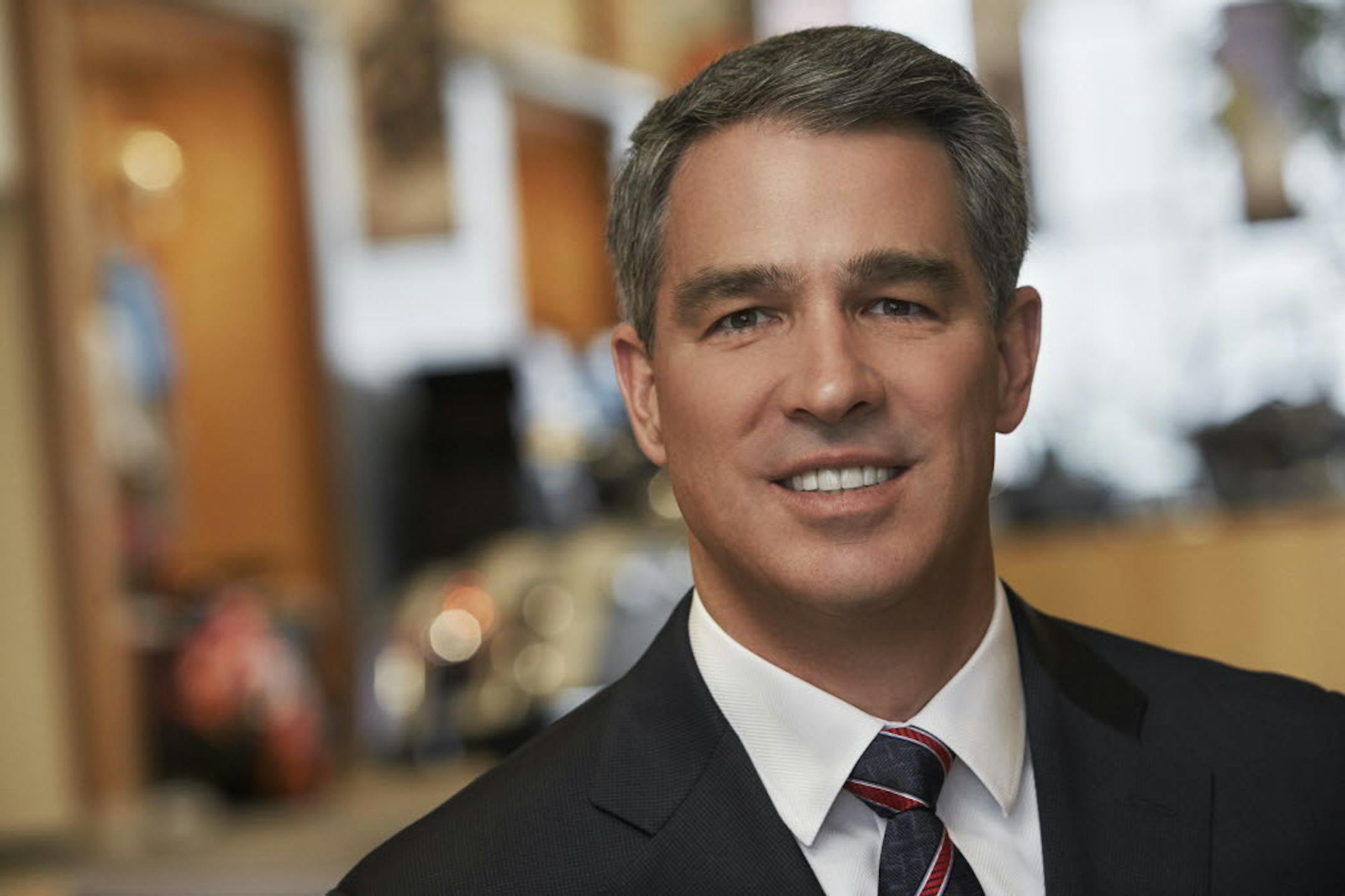
Among Minnesota CEOs, Polaris Industries' Scott Wine has made personal donations to the campaigns of six Republican candidates and one Democrat in Minnesota's U.S. House and Senate races.
In contrast, Target CEO Brian Cornell has given personally to no national candidates.


