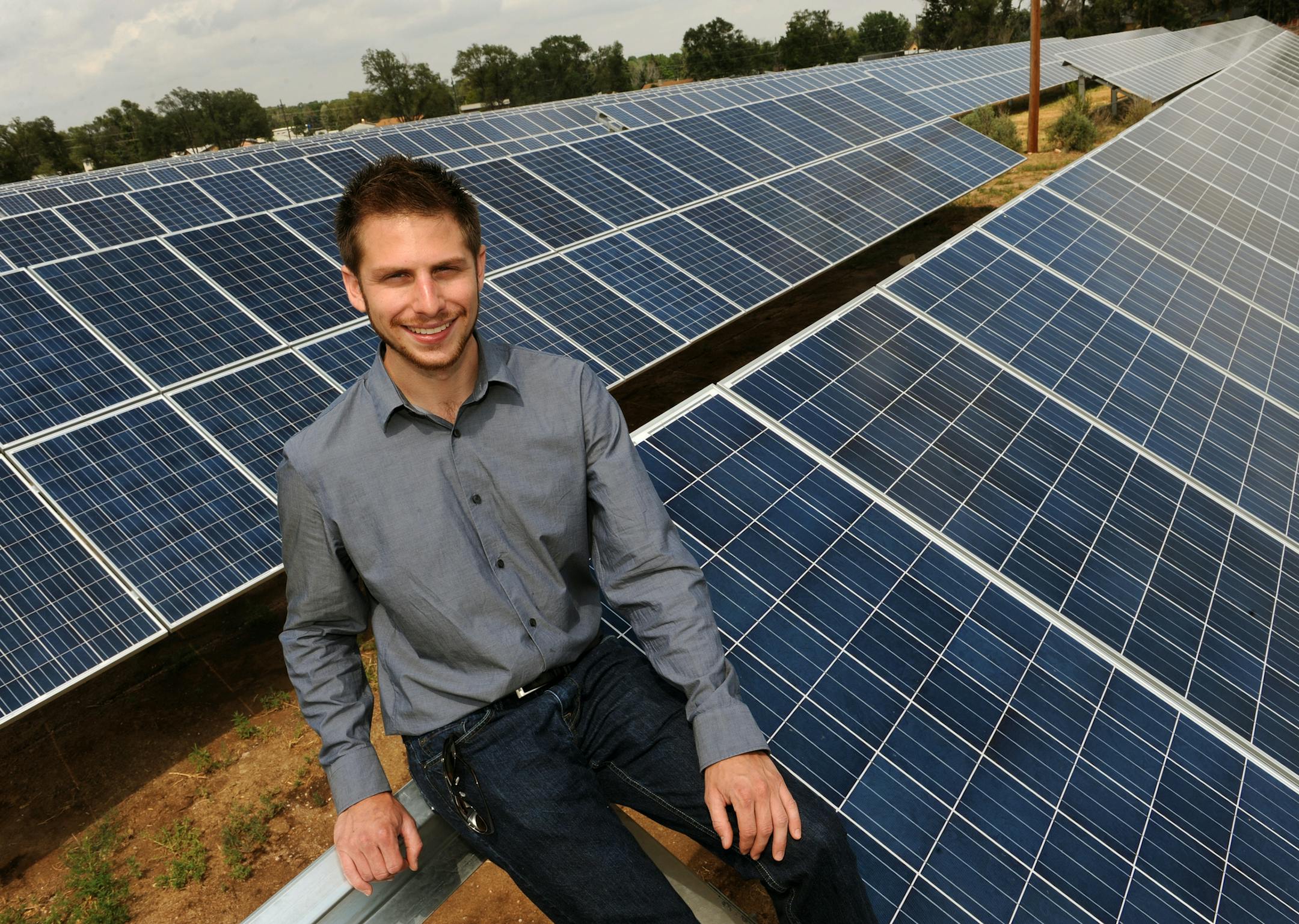
![SunShare- solar energy developers, left, David Amster-Olszweski, founder and CEO, center, Jonathan Postal, senior vice president, and right, Kyle Paulson. senior director land and legal. ] Tom Sweeney, Minneapolis, MN 8/22/2014](https://arc.stimg.co/startribunemedia/2RYACJLHCIWGXMDHHXF72TGSXU.jpg?&w=1080)
SunShare, a developer of community solar gardens, sees opportunity in Minnesota.
The Denver-based company is opening an office and hiring workers in Minnesota, and in 2015 plans to build large solar farms whose output will be shared by Xcel Energy customers who sign up to be subscribers.
These projects, known as solar gardens, are authorized as an option for Xcel's 1.2 million Minnesota customers under a 2013 state law. SunShare built some of the first solar gardens in Xcel's service region in Colorado.
SunShare founder and CEO David Amster-Olszewski visited the Star Tribune recently to talk about his plans.
Q: What is a community solar garden?
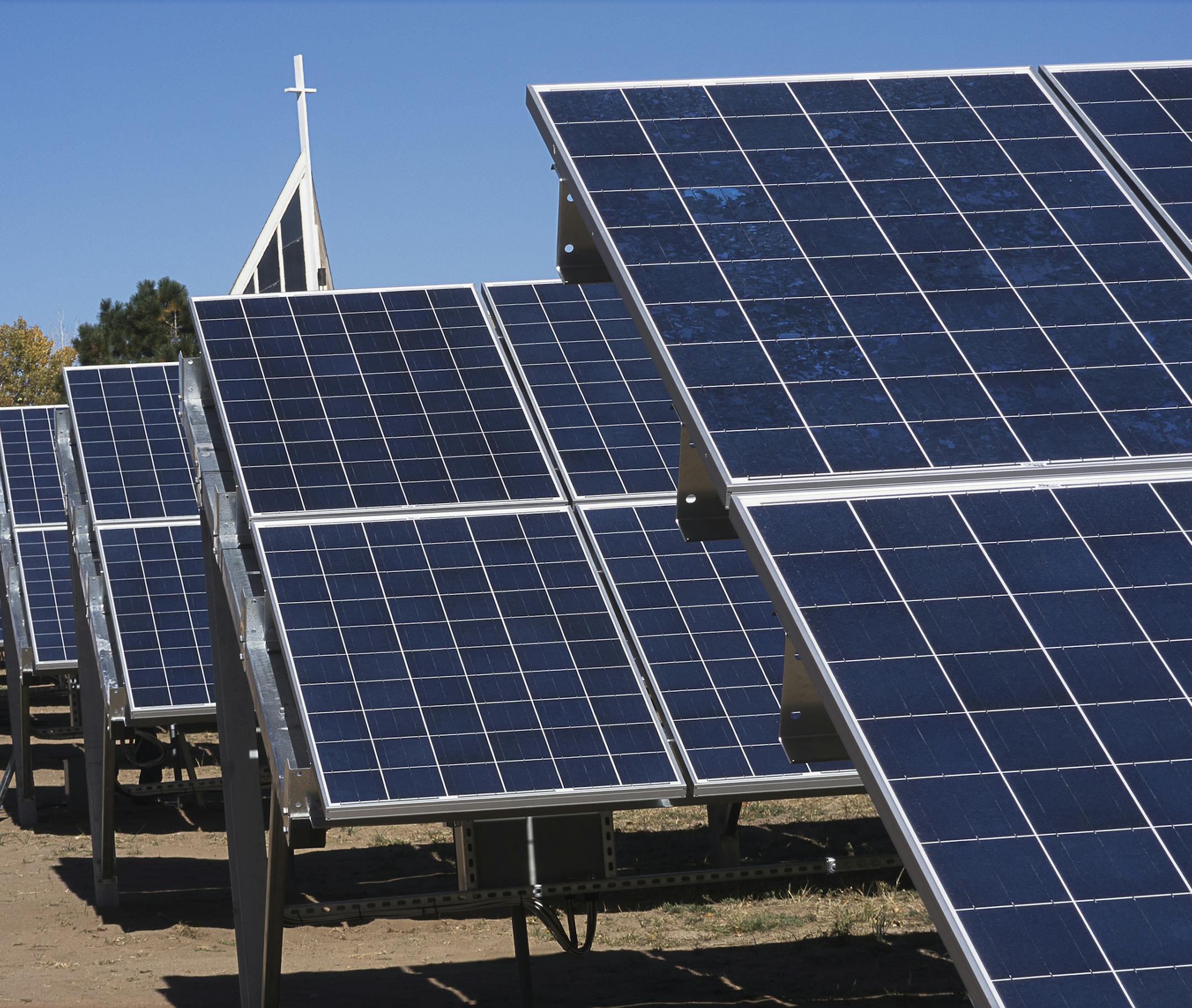
A: A community solar garden gives folks and businesses a way to use solar energy without having solar panels installed on their roof. Less than 20 percent of people in the country are able to install rooftop solar. The other 80 percent of the population, either businesses or homeowners, have trees covering their roofs, are leasing or renting space, or living in a condominium. To serve these customers with solar, we build solar farms on the edge of the community on large pieces of land. We install the panels there and we work with the local utility, in this case Xcel Energy, and sell customers the energy from the panels. People are able to choose to get energy from renewable sources, right on their existing utility bill, instead of from fossil fuel sources.
Q: What do customers own or get out of the deal?
A: Customers are simply buying energy just like you would from a utility company. Customers participate for several reasons. The first one is because they want to use solar energy, for personal environmental reasons or organizational mandates. The second reason is that we can compete with fossil fuels on price. So our customers pay either the same price they are paying for fossil fuels or in most cases a discount. Some community solar garden companies have upfront payments to buy a panel. We don't. Most customers are used to paying monthly for electricity rather than up front.