

The 2020 Democratic policy platforms could be the most progressive in the party's history. Democrats have gone through a massive ideological shift just since 2016. Previously fringe ideas like the $15 minimum wage, which Bernie Sanders forced onto the scene four years ago, have become part of nearly every candidate's platform. Other once-verboten topics like single-payer health care and a carbon-free economy have gotten serious consideration and reshaped the national discourse.
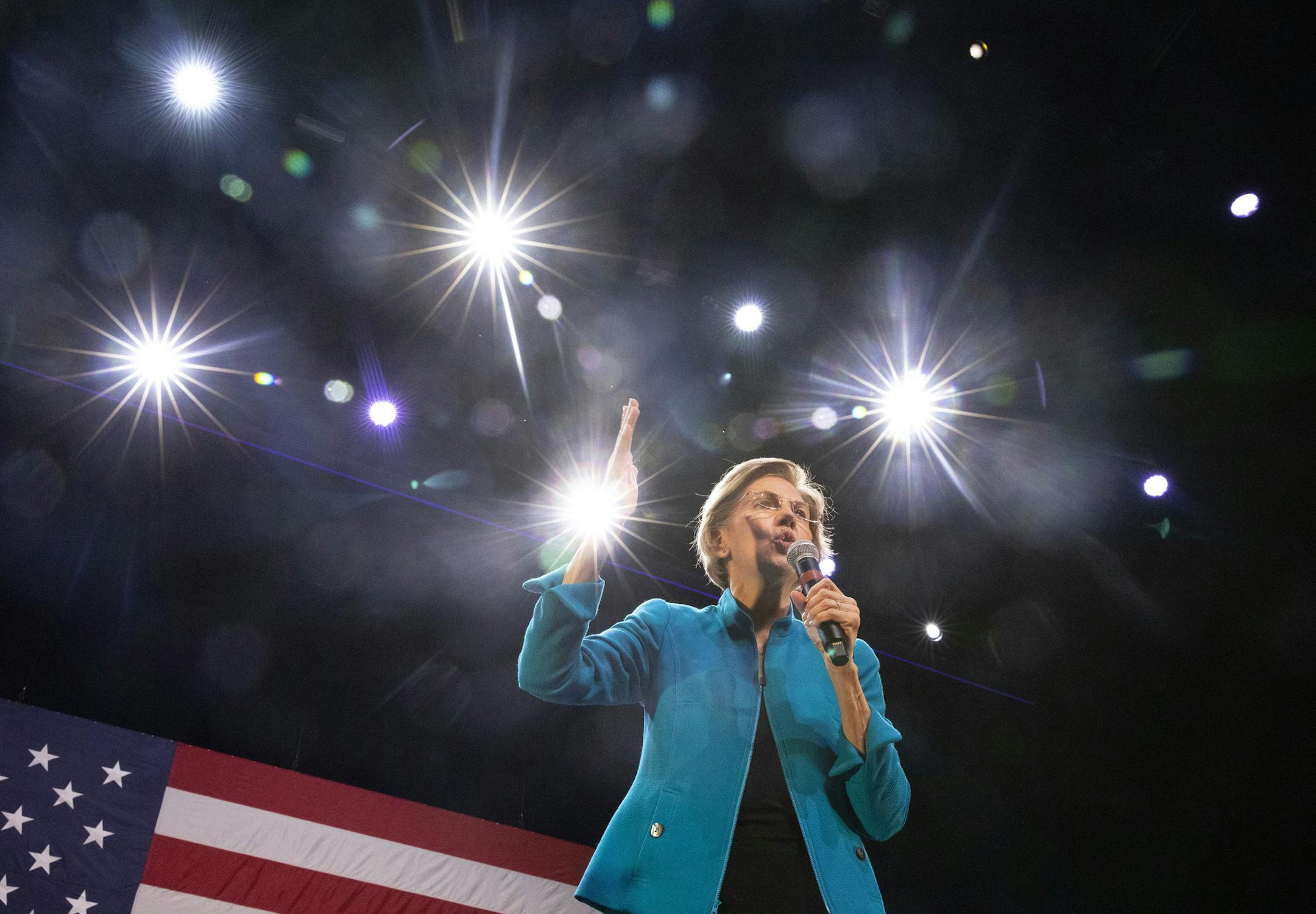
But on the question of raising taxes, and for whom, most Democratic candidates have hedged toward an all-too-familiar position. Like Hillary Clinton in 2016 and Barack Obama in 2012, they've asserted their opposition to tax increases on anyone but the very rich — even if those tax hikes are offset by household savings on priorities like child care, health care and college education. Joe Biden and Pete Buttigieg, for example, have attacked Medicare for All by saying it will raise middle-class taxes; progressive stalwart Elizabeth Warren countered with a gimmick in her Medicare for All financing plan that she claims — consistently and repeatedly — will fix our health care system "without increasing middle-class taxes one penny." Tom Steyer, Cory Booker and Michael Bennet have gone further, making big low- and middle-income tax cuts a centerpiece of their agendas.
A no-new-middle-class-taxes pledge may help fend off misleading questions from reporters and disingenuous attacks from primary opponents, but it is seriously misguided. Middle-class taxes are a necessary and desirable part of a comprehensive, progressive policy framework that benefits low- and middle-income people most. When redistributed through universal programs like Medicare for All (or free child care, free college, paid family leave, etc.), broad taxes provide stable funding and a sizable return on investment. Democratic presidential candidates should make the case for middle-class taxes, not run from them. We need them to pay for the things we want government to do.
Here is a basic fact: The United States is a low-tax country. In 2018, the most recent year for which data is available, the United States ranked fourth-lowest in the Organization for Economic Cooperation and Development (a consortium of 36 economically developed countries) in terms of tax revenue collected as a percentage of the economy — behind nations like Germany, Israel, Latvia and Canada. The gap between U.S. and average OECD revenue has widened over time, from 1.3 percentage points of gross domestic product in 1965 to 10 percentage points more recently. That's nearly $2 trillion per year in forgone revenue from lower tax rates.
Tax cuts from both parties have driven this decline: Of the 12 significant pieces of federal tax legislation enacted between 1997 and 2013, 11 of them reduced revenue. President Donald Trump's recent tax cut for the rich promises to exacerbate the problem, but the decadeslong assault on taxation has not been confined to high earners.
In 1979, the year before Ronald Reagan was elected president, the average household in the middle quintile of the income distribution paid 19.1% of its income in federal taxes, according to data from the Congressional Budget Office. By 2016, that rate had dropped 5.2 percentage points, more than a quarter, to 13.9%. The story is similar for the second and fourth quintiles, which saw their rates decline by 5.6 and 3.8 percentage points (respectively) over the same period. These cuts reflect an ill-advised political bargain. In 2016, middle-quintile families paid $3,800 less in taxes than they would have at 1979 rates — modest savings compared with the cost of health care, child care, college education and numerous other public goods and services that have gone underfunded as a result of our low-tax, low-investment economy.
Low middle-class taxes in the U.S. stand in stark contrast to the approach in other developed countries, which raise more revenue from the middle class through some combination of taxes on goods and services, payroll taxes, and income taxes. These taxes fund key benefits — including universal health care, generous paid time off and significantly more affordable college tuition — more cheaply and efficiently than is possible through private markets.
Of course, middle-class tax increases are not the only means of providing these public goods. Trillions of dollars can be raised through various taxes on the rich that Warren has joined Sanders in championing. Redirecting much of our wasteful military spending to more productive uses is another valuable approach. And funding public investments with government debt, which modern monetary theory's adherents recommend, is a far better approach than requiring every program to have a designated "payfor." The government is uniquely positioned to borrow money, and we shouldn't let unsubstantiated, theoretical concerns about debt levels prevent us from addressing the concrete and urgent needs of today.


