WASHINGTON - Delta Air Lines, one of the state's largest employers, claims that foreign government subsidies of airlines headquartered 7,000 miles away threaten the jobs of some of its 10,000 workers in Minnesota.
So Delta, United and American — known as the "Big 3" among U.S. airlines — have taken a very unusual step.
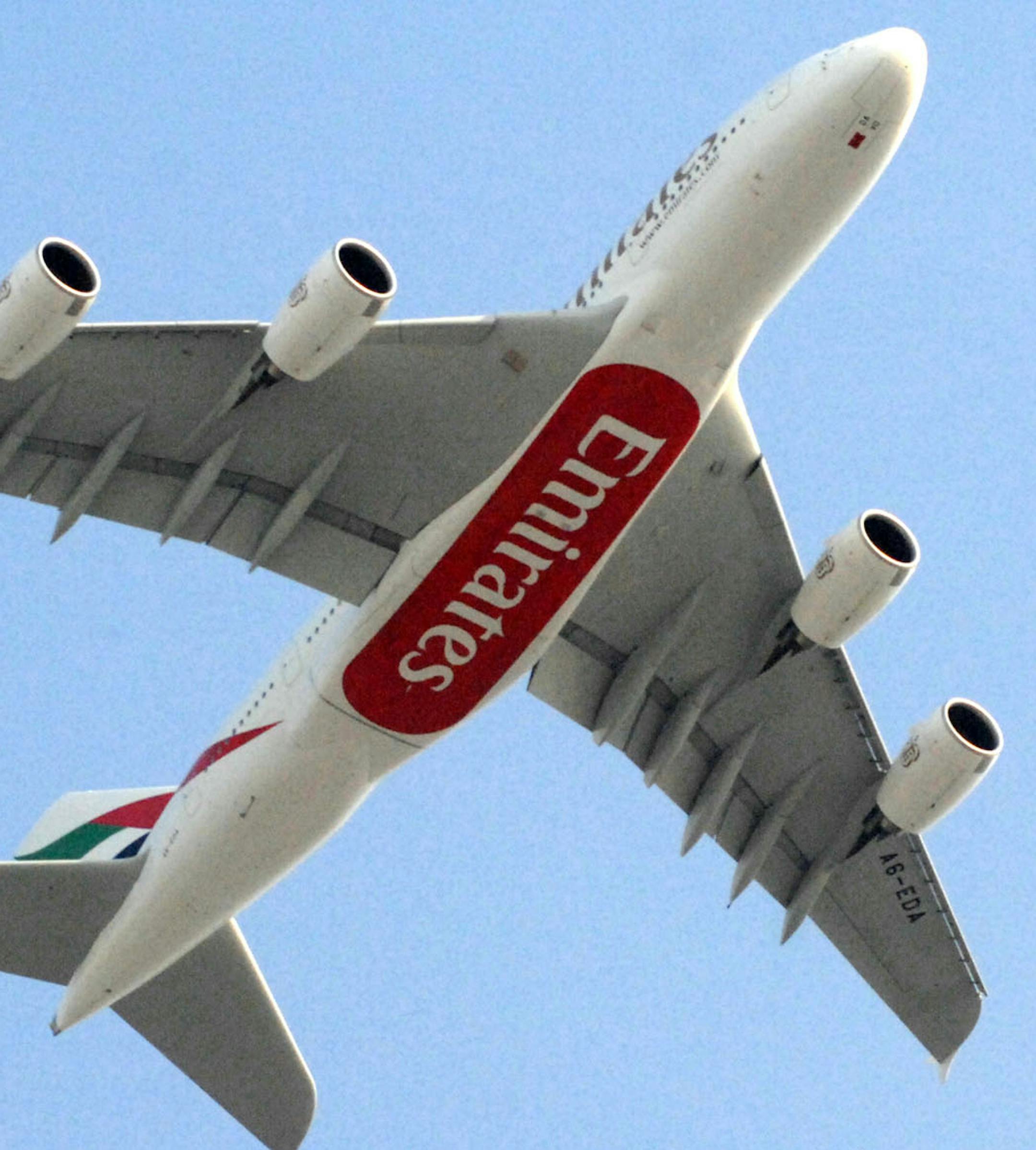
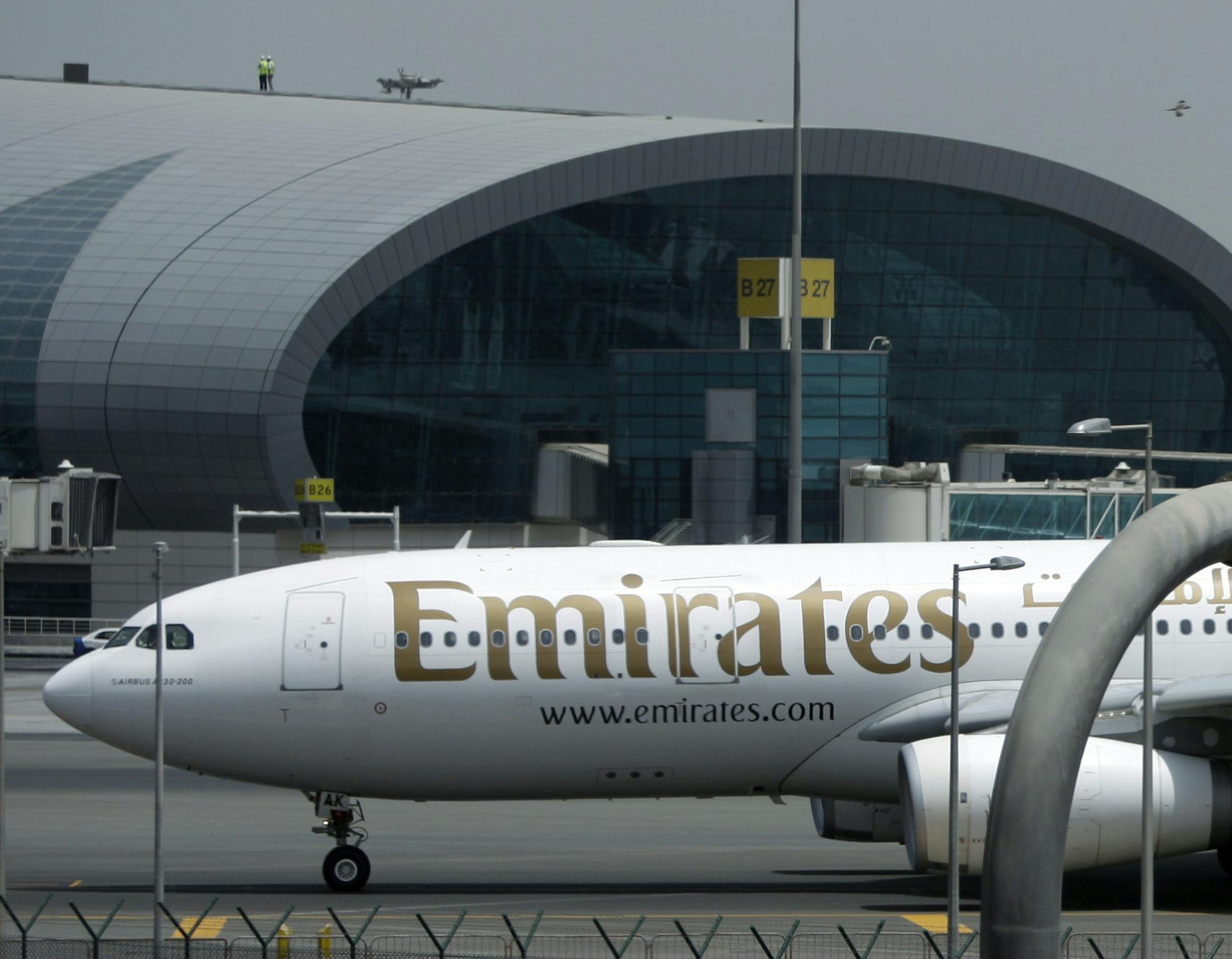
Along with the unions representing their workers, they want the U.S. government to ask carriers from Qatar and the United Arab Emirates (UAE) to stop offering new international flights from U.S. airports while the State Department investigates their government subsidies. Those subsidies have totaled $42 billion, and the Big 3 contend that the money has unfairly allowed Etihad, Qatar and Emirates airlines to undercut U.S. carriers in pricing international flights from U.S. airports.
Losing that international business could eventually translate into lost jobs, the Big 3 maintain, even at airports like Minneapolis-St. Paul, where the Gulf carriers currently do not fly.
"I'm not going to be able to say to you, 'Minneapolis is going to lose 300 jobs because of this,' " Delta spokeswoman Kate Modolo told the Star Tribune. "What we can do right now is say our projection shows that if we are made to cancel a route due to the subsidized competition, it's upward of 1,000 aviation jobs" that will be lost.
On Oct. 1, Delta will cut flights from its Atlanta hub to Dubai in the UAE from one a day to four or five a week. If the trend continues, Modolo said, the "trickle down" effect could reach smaller airports as U.S. carriers cancel less profitable routes to make up for money lost on lucrative international flights.
Still, support for calling out two Persian Gulf allies over a commercial airline dispute is hardly unanimous. Air cargo companies that operate in the Gulf states fear economic reprisals. Smaller commercial airlines, including JetBlue, say the Big 3 are flexing their lobbying muscle to protect themselves, not create competition.
Free trade think tanks like the Cato Institute agree.