

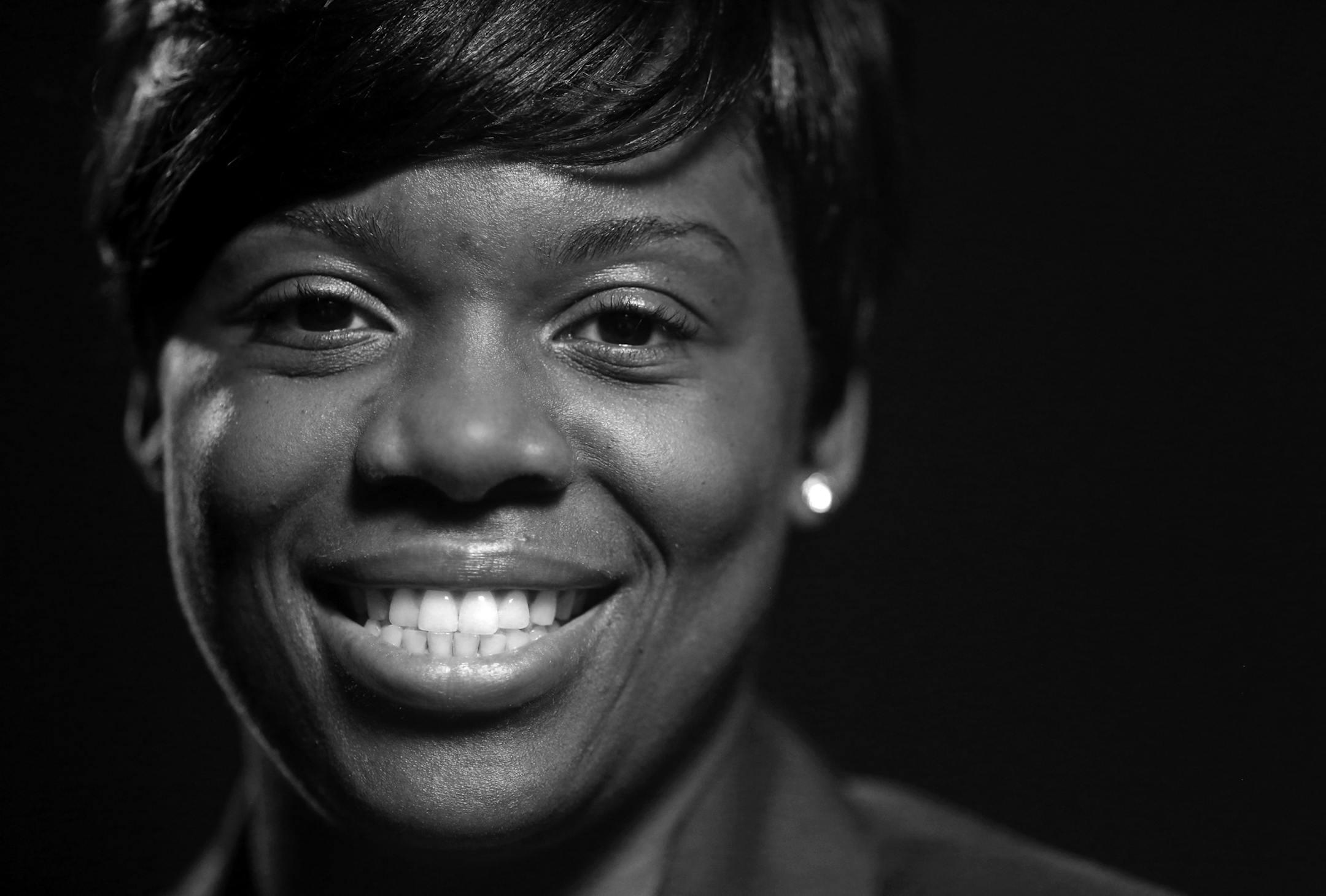
Minnesota employers complain they are struggling with severe worker shortages, the lowest unemployment rates in decades and new hires who simply lack the skills needed for today's technically demanding jobs. The Minnesota Department of Employment and Economic Development (DEED) is the state's agency in charge of driving worker retraining and skills development programs across the state. DEED Commissioner Shawntera Hardy said the most recent jobs data show more than 97,000 open positions. That's about a 1:1 ratio when compared against the number of people currently looking for work. Here is the rest of the interview with Hardy, edited for length and clarity.
Q: What challenges exist today when it comes to ensuring Minnesota's workforce is well-trained and ready for hire?
A: Minnesota, like many other states, is facing a workforce shortage. Over the next decade, we will see many baby boomers exiting the workforce for retirement. Finding workers with the necessary skills and limited barriers to work have become huge challenges. Employers are not only relying on traditional hiring and training methods but they're also investing more in apprenticeships and career pathway opportunities. These programs are opening the doors to workers who in the past have been left on the sideline.
Q: What is the budget and how is it apportioned?
A: Of DEED's $485.4 million budget, 80 percent goes out the door in aid, 75 percent of that money toward workforce development. For example, the Minnesota Job Skills Partnership [MJSP]— which reports to a board of business, education and labor representatives — has already given out $3.9 million this year, most going to training programs in the high-demand areas of health care, pharmaceutical, manufacturing and construction jobs. Others include Pathways to Prosperity, which focuses on employees with barriers to employment such as child care and transportation, and the Vocational Rehabilitation Program, which helps individuals with disabilities with employment training opportunities.
Q: You noted the state approaches worker-skills training with the help of several partners. Who are some of them?
A: In our agency, we have close to 70 different programs. We partner with local workforce boards throughout the state to deliver services. We work with nonprofit partners like the local YMCAs and YWCAs, Twin Cities Rise, Goodwill, HIRED and Ujamaa Place — to name a few. And we also work with our sister agencies such as the Department of Labor and Industry, Department of Education and Department of Human Services. We partner with corporate employers that offer internships and apprenticeships so that new workers can get the on-the-job training.
Q: What job-training success stories stick out as memorable?


