The death penalty is actually on the decline in America. And that's as it should be.
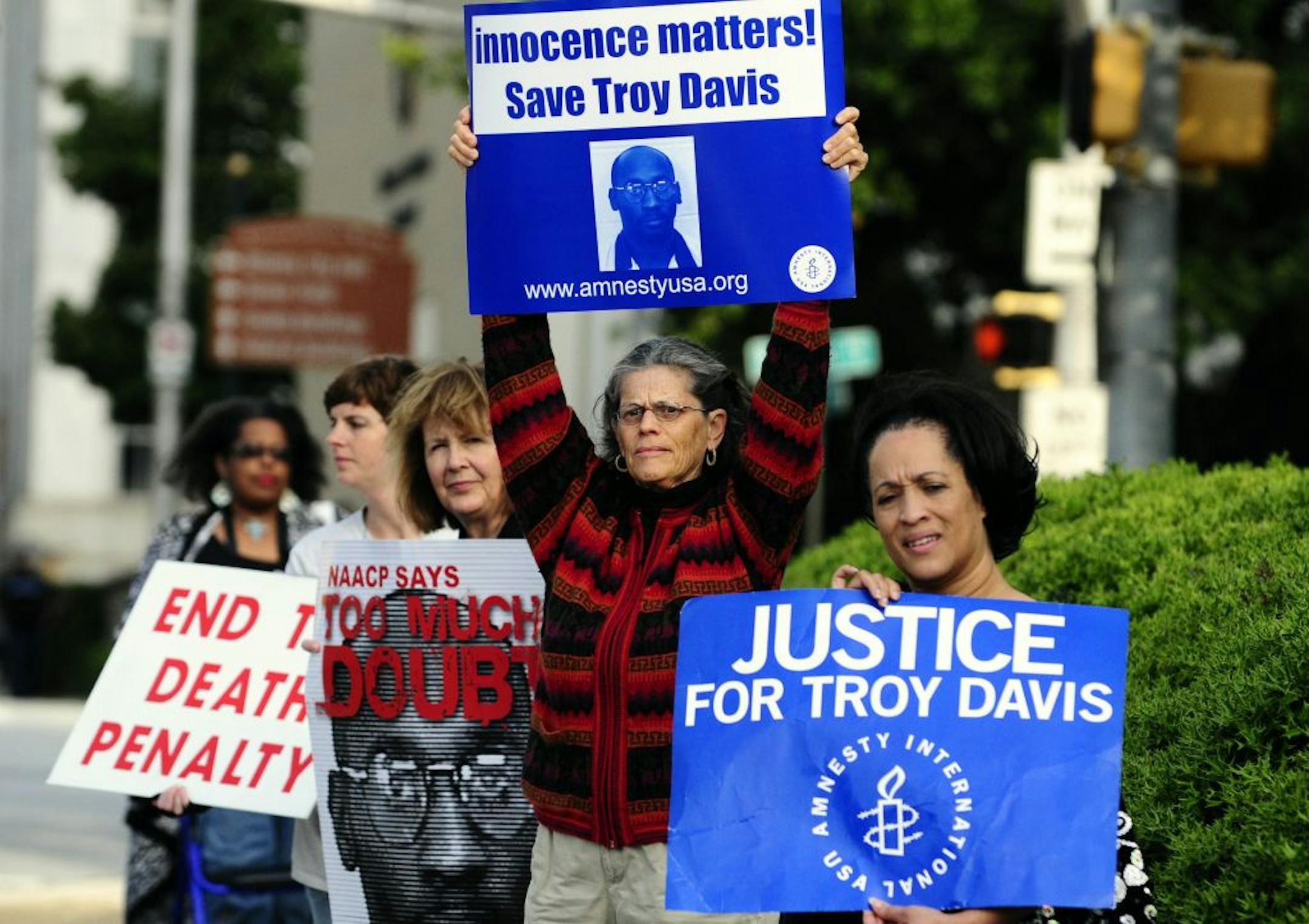
The imposition of the death penalty is rife with corruption, incompetence, race and class bias, and human error. Often, the innocent are killed.
Last year, when Damon Thibodeaux was released from Louisiana's death row at Angola after spending 15 years awaiting his own murder, he became the 300th innocent person freed from a U.S. prison based on DNA testing.
Executions are not taking place nearly as often as they used to in America. Last year, 43 people were executed in the United States.
According to the Death Penalty Information Center, three-quarters of the 43 executions in 2012 took place in only four states -- Texas, Arizona, Mississippi and Oklahoma. And of the 78 death sentences last year -- a 20-year low -- almost two-thirds took place in Florida, California, Texas and Alabama.
Although on the books in 33 states, only nine states made use of the death penalty in 2012. Throughout the nation, states are having second thoughts about capital punishment.
On Jan. 15, the actual birthday of Martin Luther King Jr., Maryland Gov. Martin O'Malley announced his plan to eliminate the death penalty in his state.
"Every dollar we choose to spend on an ineffective death penalty is a dollar we're not spending on crime-fighting technologies and tools that actually work," said O'Malley. "Investing in law enforcement, data-driven policing, performance measurement, strengthening partnerships, investing in the latest crime fighting technologies, DNA analysis -- these are the ways we drive down crime."